Proximity sensors, as critical components in industrial automation, are widely used for object detection, position sensing, and machine control. However, like any electronic device, they are susceptible to failures that can disrupt production lines and cause costly downtime. Understanding the root causes of these failures is essential for maintenance personnel and engineers to implement effective preventive measures and ensure operational reliability.
One of the most frequent causes of proximity sensor malfunction is environmental contamination. In industrial settings, sensors are often exposed to dust, metal shavings, oil, coolant, or other debris. These contaminants can accumulate on the sensor's sensing face, creating a barrier that interferes with the electromagnetic or capacitive field. For instance, metallic dust adhering to an inductive proximity sensor can cause false triggering or reduced sensing range. Similarly, buildup of non-conductive materials like grease on a capacitive sensor may impair its ability to detect targets accurately. Regular cleaning using appropriate solvents and compressed air is recommended, but in highly contaminated areas, selecting sensors with higher IP (Ingress Protection) ratings or using protective housings is advisable.
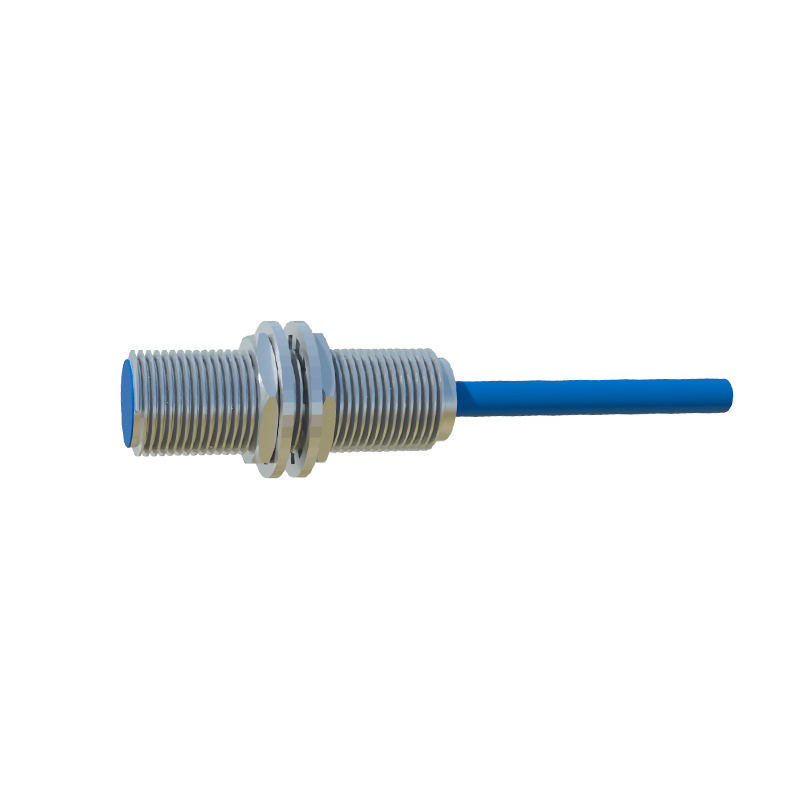
Electrical issues represent another major category of failures. Voltage spikes, surges, or improper power supply can damage the sensor's internal circuitry. Many failures stem from incorrect wiring—such as reverse polarity, overvoltage, or using an AC sensor on a DC circuit (or vice versa). Additionally, electromagnetic interference (EMI) from nearby motors, frequency drives, or welding equipment can induce noise, leading to erratic behavior or signal loss. To mitigate these risks, ensure proper grounding, use shielded cables, and install surge protectors or filters. Always verify the sensor's specifications, including operating voltage, current load, and compatibility with the control system.
Mechanical stress and physical damage are also common culprits. Proximity sensors can fail due to vibration, shock, or misalignment. Excessive vibration may loosen internal connections or crack solder joints, while mechanical impact can break the sensor housing or damage the sensing element. Improper installation, such as overtightening mounting nuts or exposing the sensor to excessive lateral force, can cause similar issues. Choosing sensors designed for high-vibration environments and following manufacturer guidelines for mounting torque and clearance distances can prevent many of these problems.
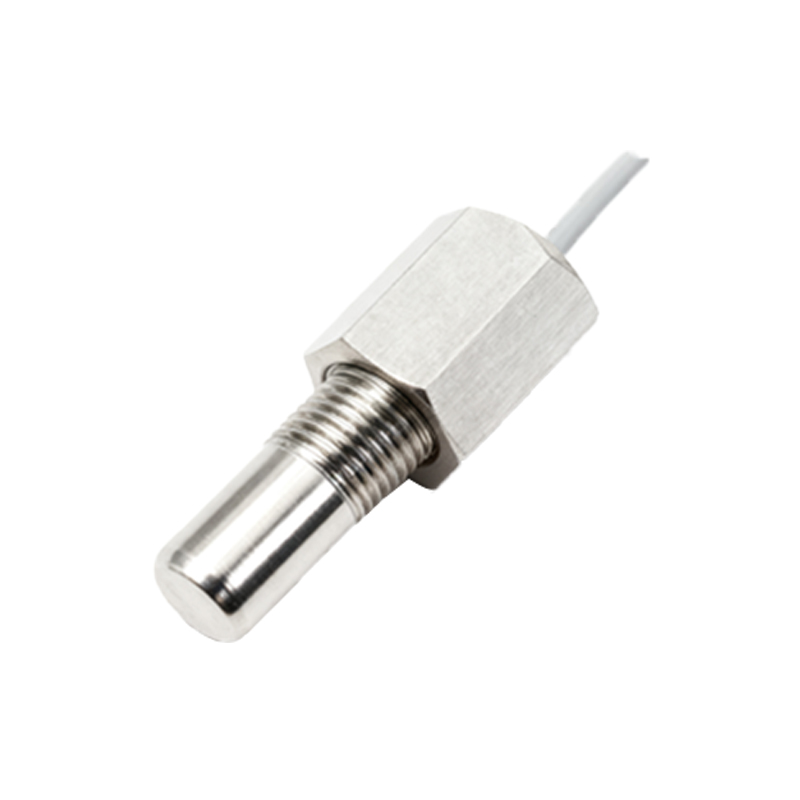
Temperature extremes beyond the sensor's rated operating range can lead to premature failure. High temperatures may degrade electronic components, alter sensing characteristics, or cause plastic housings to deform. Conversely, extremely low temperatures can make materials brittle and affect signal stability. In applications with significant thermal variation, selecting sensors with wide temperature tolerances or implementing cooling/heating measures is crucial.
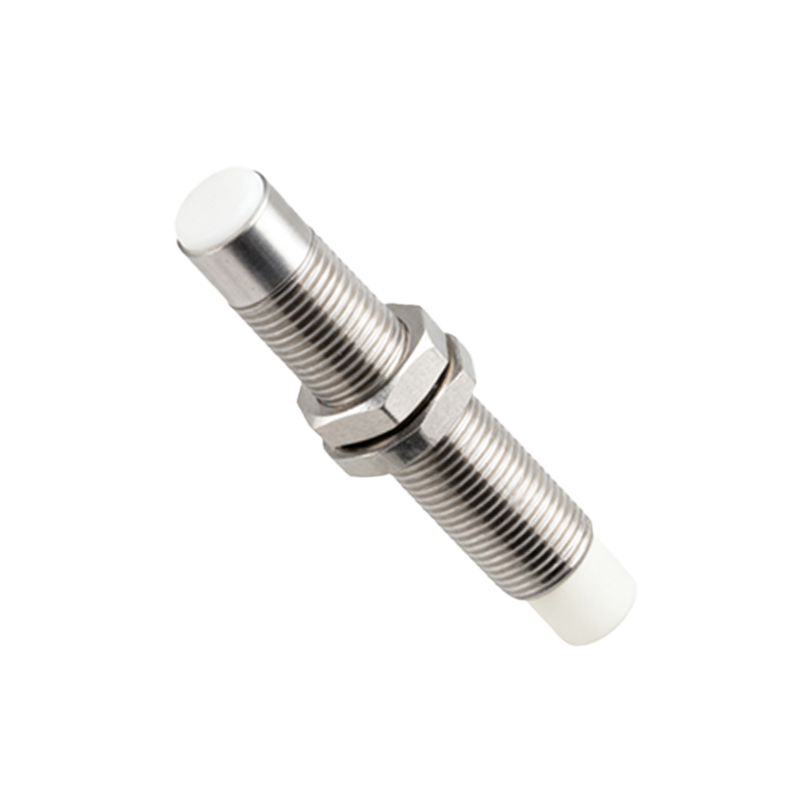
Sensor aging and wear are inevitable over time. The internal oscillator, output transistor, or other components may degrade after millions of operating cycles. While manufacturers specify lifespan in terms of switching cycles, actual service life can be shortened by harsh operating conditions. Predictive maintenance, such as periodic performance checks and monitoring output signal quality, helps identify sensors nearing end-of-life before they fail catastrophically.
Incorrect sensor selection for the application is a subtle but significant cause of failure. Using a standard inductive sensor to detect non-ferrous metals, for example, may result in inconsistent performance. Similarly, employing a capacitive sensor in an environment with fluctuating humidity can cause drift. Understanding the target material, required sensing distance, environmental factors, and output type (PNP/NPN, NO/NC) is vital when specifying sensors.
Finally, issues with the target itself can mimic sensor failure. If the target material, size, or approach angle changes, the sensor may not detect it reliably. For inductive sensors, the target must be within the specified sensing distance and made of a detectable material (typically ferrous or non-ferrous metal). For capacitive sensors, changes in dielectric constant can affect sensitivity. Always verify that the target meets the sensor's requirements and remains consistent during operation.
Troubleshooting proximity sensor failures typically involves a systematic approach: visually inspecting for contamination or damage, checking electrical connections with a multimeter, verifying power supply stability, and testing with a known good target. Many modern sensors incorporate diagnostic indicators (like LED status lights) to aid in fault identification.
In summary, proximity sensor failures often result from environmental, electrical, mechanical, or application-specific factors. By addressing these areas through proper selection, installation, and maintenance, engineers can significantly enhance sensor longevity and system reliability, minimizing unplanned downtime in industrial operations.