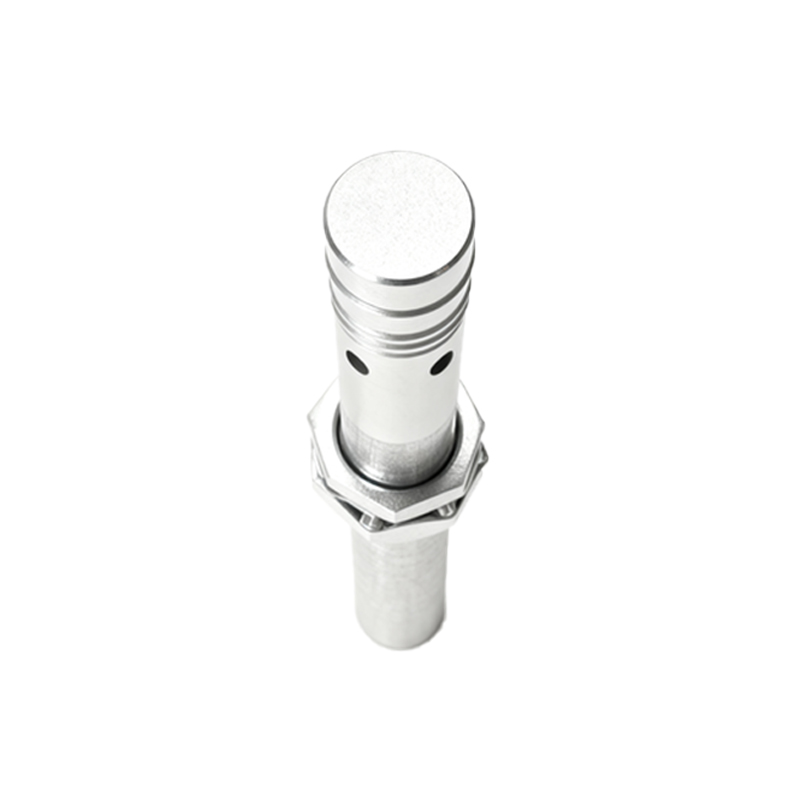
In industrial automation and motion control systems, precise direction management of motors is critical for operational efficiency and safety. Proximity sensors, as non-contact detection devices, play a pivotal role in enabling automated forward and reverse control of motors. This article delves into the principles, configurations, and implementation strategies for using proximity sensors to govern motor rotation direction, tailored for electrical engineers and automation professionals.
Proximity sensors operate by detecting the presence or absence of a target object without physical contact, typically through inductive, capacitive, or magnetic principles. In motor control applications, these sensors are strategically positioned to monitor specific points in a mechanical system, such as the end positions of a linear actuator or rotational limits of a shaft. When a target—often a metal flag or cam attached to the moving part—approaches the sensor, it triggers a signal that informs the control unit to alter the motor's direction.
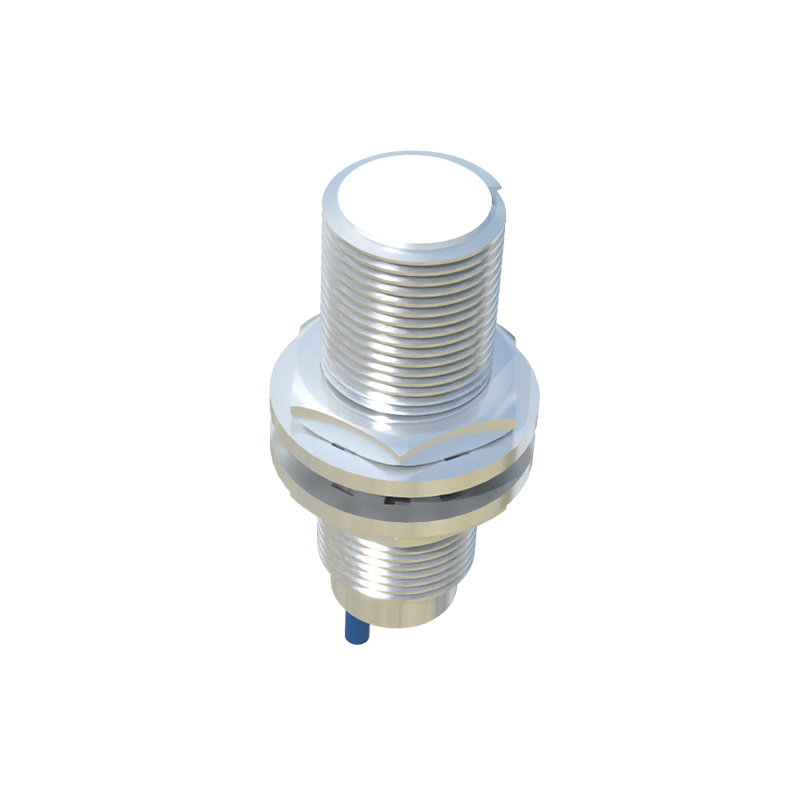
For forward and reverse control, a common setup involves two proximity sensors: one designated for the forward limit and another for the reverse limit. As the motor drives the mechanism forward, the target eventually reaches the forward limit sensor. Upon detection, the sensor sends a signal to the programmable logic controller (PLC) or motor drive, which then halts the forward motion and initiates reverse operation. Conversely, when the target engages the reverse limit sensor during backward movement, the control system commands the motor to switch to forward rotation. This closed-loop feedback ensures the motor operates within safe boundaries, preventing overtravel and mechanical damage.
The integration of proximity sensors into motor control circuits requires careful consideration of sensor selection, placement, and interfacing. Inductive proximity sensors are preferred for metallic targets due to their reliability and immunity to environmental factors like dust or oil. The sensors must be mounted with precise alignment to ensure consistent detection, and their output signals—typically NPN or PNP transistor-based—must be compatible with the control input modules. Wiring should adhere to industrial standards, with proper shielding to minimize electromagnetic interference from motor drives.
In practice, the control logic can be enhanced with additional features. For instance, incorporating timer relays or PLC programming allows for adjustable dwell times at each limit, enabling processes like pressing or drilling before direction change. Safety interlocks can be added using sensor signals to disable motor operation if a fault is detected, aligning with standards such as IEC 60204-1. Moreover, modern smart sensors with IO-Link communication provide diagnostic data, such as sensor health and detection counts, facilitating predictive maintenance.
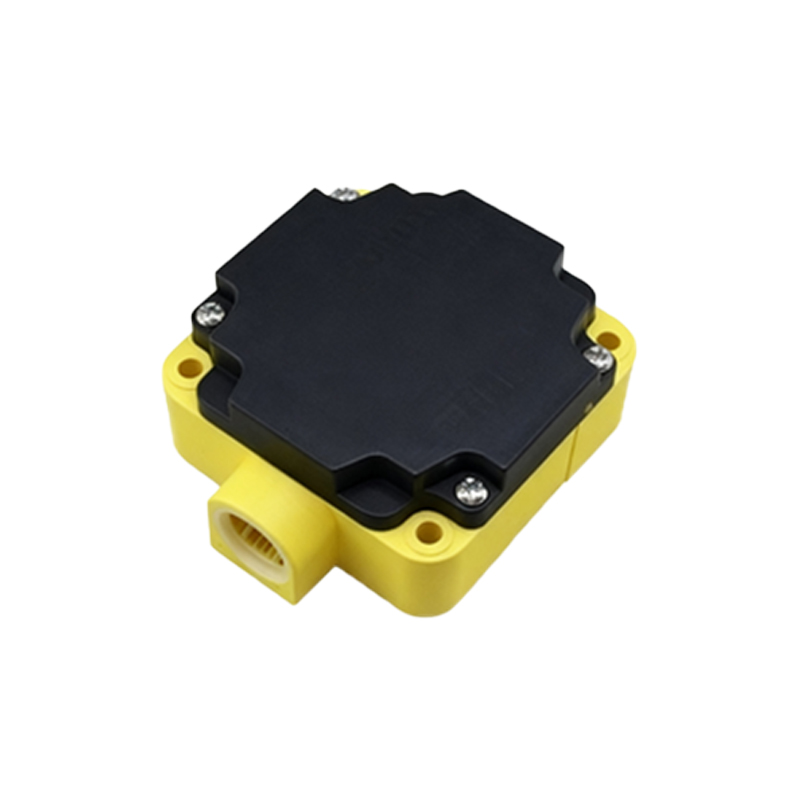
Case studies in conveyor systems and automated machining illustrate the effectiveness of this approach. In a bidirectional conveyor, proximity sensors at each end control a three-phase motor via a contactor-based reversing circuit. When a pallet triggers the forward sensor, the motor reverses to return the pallet, optimizing material flow. Similarly, in a lathe with automatic tool reversal, sensors ensure the tool retracts at precise positions, enhancing machining accuracy.
Challenges include sensor wear in high-cycle applications and false triggers from vibration. Solutions involve selecting robust sensors with high IP ratings and implementing software debouncing in the PLC. Regular calibration and testing are recommended to maintain system integrity.
Ultimately, using proximity sensors for motor forward and reverse control offers a reliable, cost-effective solution for automation. By leveraging non-contact sensing, engineers can design systems that improve precision, reduce downtime, and enhance safety. As Industry 4.0 evolves, integrating these sensors with networked control systems will further enable adaptive and intelligent motion management.