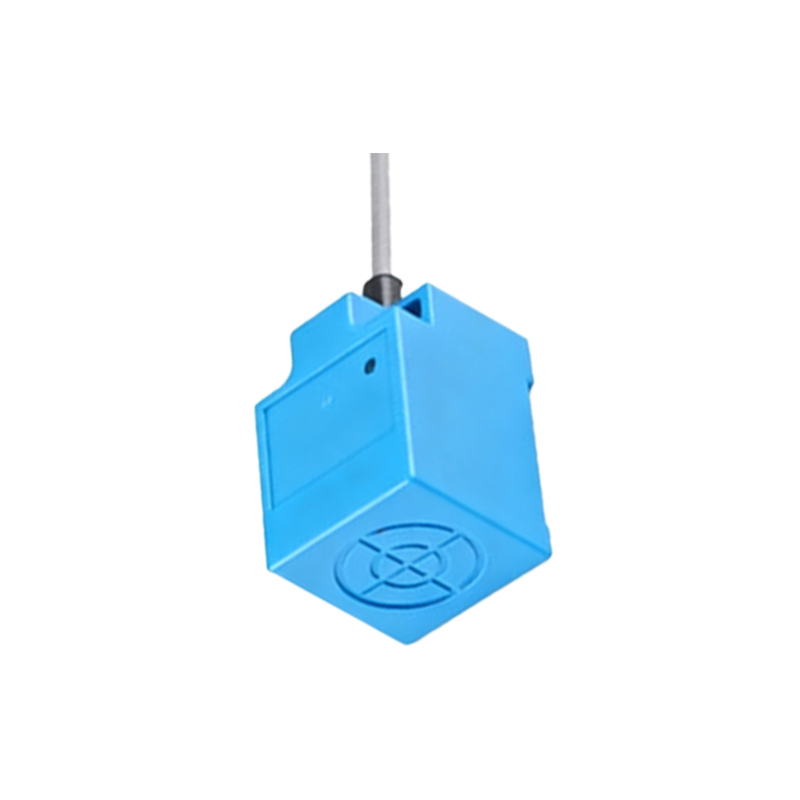
In the realm of industrial automation and electrical engineering, proximity switch sensors have long been pivotal components for non-contact detection of objects. However, the integration of push buttons with these sensors represents a significant evolution, enhancing functionality and user interaction in complex systems. This article delves into the technical aspects, operational principles, and practical applications of proximity switch sensors equipped with push buttons, tailored for professionals in the electrical industry.
Proximity switch sensors, by design, detect the presence or absence of an object without physical contact, utilizing technologies such as inductive, capacitive, or photoelectric sensing. When combined with a push button, these devices gain an additional layer of control, allowing operators to manually trigger or override automated processes. For instance, in a manufacturing assembly line, a proximity sensor might automatically detect a component's position, while the integrated push button enables manual intervention for calibration or emergency stops. This dual functionality not only improves safety but also increases operational flexibility, reducing downtime in high-speed environments.
From a technical perspective, the integration involves careful engineering to ensure compatibility between the sensing element and the mechanical button. Typically, the push button is mounted on the sensor housing, connected to internal circuitry that interfaces with the control system, such as a PLC (Programmable Logic Controller). The sensor operates on standard voltage ranges (e.g., 10-30V DC), while the button may include features like illuminated indicators for status feedback. Key specifications to consider include sensing distance (often up to 15mm for inductive types), response time (in milliseconds), and IP ratings for durability in harsh conditions like dust or moisture. Engineers must also account for electrical noise and interference, as improper shielding can lead to false triggers, compromising system reliability.
In practice, these hybrid devices find applications across various sectors. In automotive manufacturing, they are used in robotic welding systems where the proximity sensor aligns parts, and the push button allows for manual adjustments. In packaging machinery, they facilitate quick changeovers by enabling operators to bypass automated sequences when needed. Additionally, in safety-critical environments like chemical plants, the push button serves as an emergency stop mechanism, integrated with the sensor's output to halt processes immediately upon detection of hazardous conditions. Case studies show that such integrations can reduce maintenance costs by up to 20%, as they minimize wear from physical contact and simplify troubleshooting through modular design.
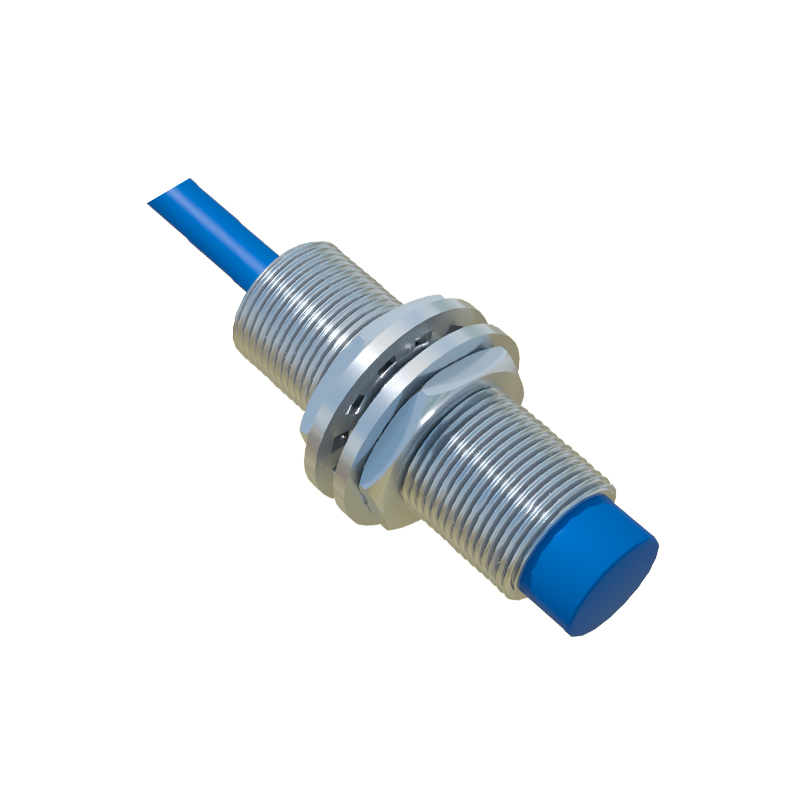
Looking ahead, advancements in IoT (Internet of Things) and smart manufacturing are driving further innovation. Modern proximity switch sensors with push buttons now often include connectivity options like IO-Link or Ethernet/IP, enabling real-time data monitoring and predictive maintenance. For example, sensor data can be analyzed to predict failures, while the push button logs manual interventions for audit trails. However, challenges remain, such as ensuring cybersecurity in networked systems and adapting to evolving industry standards like IEC 60947-5-2 for proximity devices.
In conclusion, the fusion of proximity switch sensors and push buttons exemplifies the trend toward more interactive and resilient electrical systems. By combining automated sensing with manual control, these devices offer a robust solution for enhancing efficiency and safety in industrial applications. As technology progresses, engineers should prioritize selecting models with high-quality components and thorough testing to meet specific operational demands, ensuring long-term performance in dynamic environments.