In the intricate world of industrial automation and precision machinery, the demand for reliable, compact, and highly accurate sensing solutions is paramount. Among the unsung heroes enabling this precision are gear proximity micro-switch sensors. These sophisticated devices represent a critical fusion of mechanical actuation and electronic sensing, playing a vital role in monitoring rotational position, speed, and sequence in countless applications, from complex robotic assemblies to delicate medical devices.
A gear proximity micro-switch sensor, at its core, is a non-contact sensing device designed to detect the presence or passage of gear teeth. Unlike traditional mechanical limit switches that require physical contact, these sensors operate on principles such as inductive, magnetic, or capacitive sensing. As a gear rotates, its teeth pass close to the sensor's active face. Each tooth passage causes a detectable change in the sensor's field or flux, which is then converted into a clean, digital output signal—typically a pulse train. This pulse train becomes a direct, real-time data stream representing the gear's rotational parameters.
The advantages of this technology are multifaceted. First and foremost is reliability. The absence of physical contact eliminates mechanical wear on the sensor itself, leading to exceptionally long operational life and reduced maintenance needs. This is crucial in systems requiring 24/7 operation or those installed in hard-to-reach locations. Secondly, precision and speed are significantly enhanced. These sensors can detect high-speed rotation with remarkable accuracy, providing feedback for precise motion control. The output is immune to bounce or chatter, common issues with mechanical contacts, ensuring clean signal integrity for sensitive control systems.
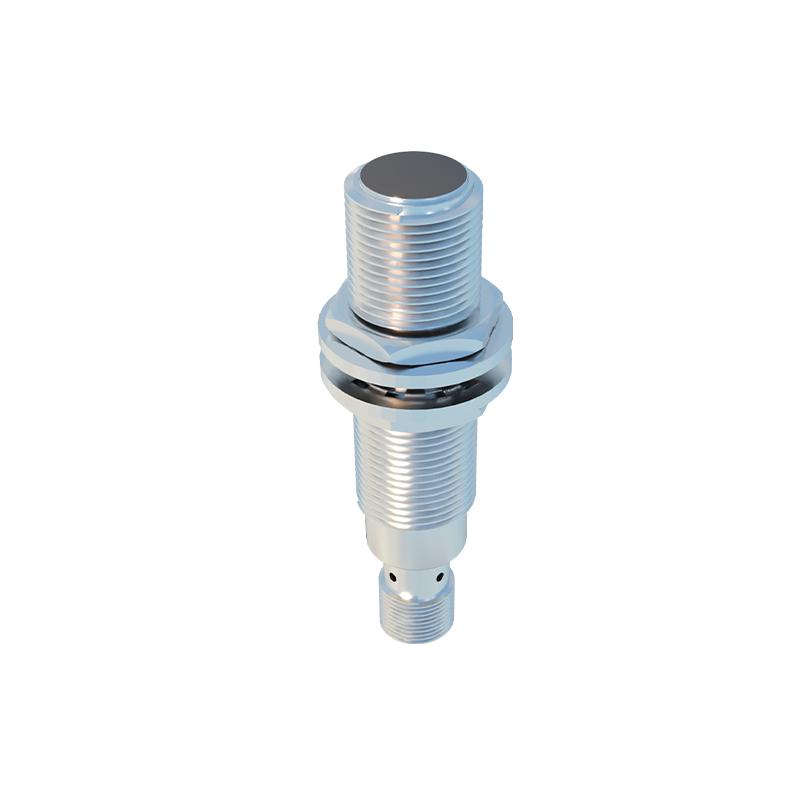
The design and selection of a gear proximity sensor are dictated by several key factors. The sensor's sensing distance, or "switching distance," must be carefully matched to the gear's module (tooth size) and the operational air gap. Material compatibility is also essential; inductive sensors, for instance, are ideal for detecting ferrous metal gears, while magnetic sensors might be chosen for applications with pre-magnetized targets or in harsher environments. Furthermore, housing design is critical for resilience against industrial contaminants like oil, coolant, and metal chips, with many models boasting IP67 or higher ingress protection ratings.
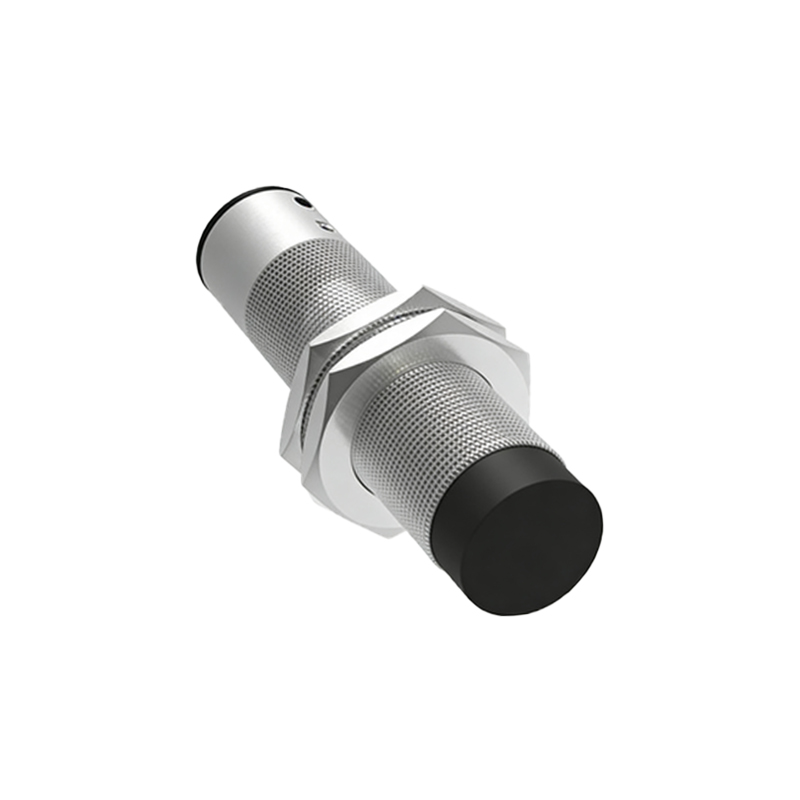
Application scenarios for these miniature powerhouses are vast and varied. In automotive manufacturing, they monitor the position of camshafts or crankshafts in engine test stands. Within packaging machinery, they ensure precise bottle cap placement or film registration by tracking encoder wheels. In the realm of robotics, they provide essential feedback for joint movement in articulated arms. Perhaps most impressively, they are integral to safety systems, acting as interlock sensors on guarded doors or verifying the correct positioning of critical components before a machine cycle begins.
Integration into a control system is typically straightforward. The sensor's output (PNP/NPN, NO/NC) is wired to a programmable logic controller (PLC) or a dedicated motion controller. The controller interprets the pulse frequency to calculate rotational speed or counts pulses to determine angular position. Advanced systems use this data for closed-loop control, instantly adjusting drive parameters to maintain set speeds or positions, thus ensuring process consistency and product quality.
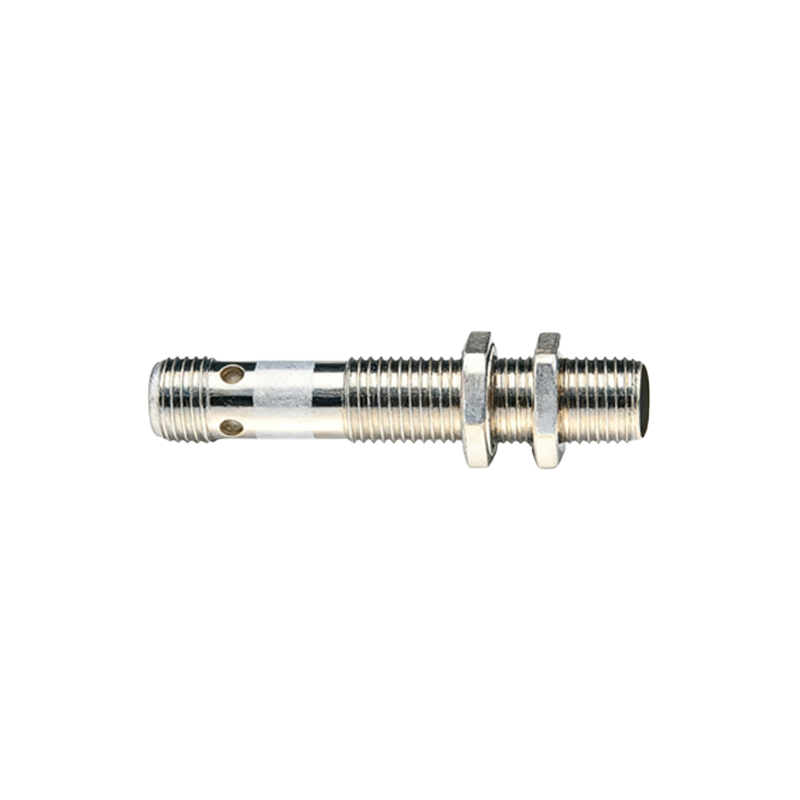
Looking ahead, the evolution of gear proximity micro-switch sensors continues alongside industry trends. The push for miniaturization demands even smaller sensor packages without sacrificing performance or sensing range. There is also a growing integration of smart features, such as IO-Link communication, which allows for parameter configuration, diagnostics, and process data reporting directly from the sensor, facilitating predictive maintenance and Industry 4.0 connectivity.
In conclusion, gear proximity micro-switch sensors are a foundational component in the architecture of modern automated systems. Their ability to provide unwavering, precise feedback on rotational motion in a robust and compact form factor makes them indispensable. For engineers designing the next generation of intelligent machinery, understanding the capabilities and correct application of these sensors is not just an option—it is a necessity for achieving peak performance, reliability, and efficiency in an increasingly automated world.