In the intricate world of industrial automation, proximity sensors stand as silent sentinels, detecting the presence or absence of objects without physical contact. Their operation is fundamental to countless processes, from assembly line sequencing and robotic guidance to packaging and material handling. Yet, the critical component that breathes life into these sophisticated devices is often overlooked: the battery. For wireless or portable proximity sensors, and even as backup power for critical wired units, the choice of battery directly impacts performance, maintenance schedules, and overall system reliability.
The primary function of a proximity sensor is to generate an electromagnetic field or beam of radiation. When an object enters this field, it causes a change in the oscillation amplitude or signal return, which the sensor's circuitry detects and converts into an electrical output signal. This entire process demands a stable and consistent power supply. Voltage fluctuations or premature power decay can lead to false triggering, reduced sensing ranges, or complete operational failure, potentially causing costly production halts or safety incidents.
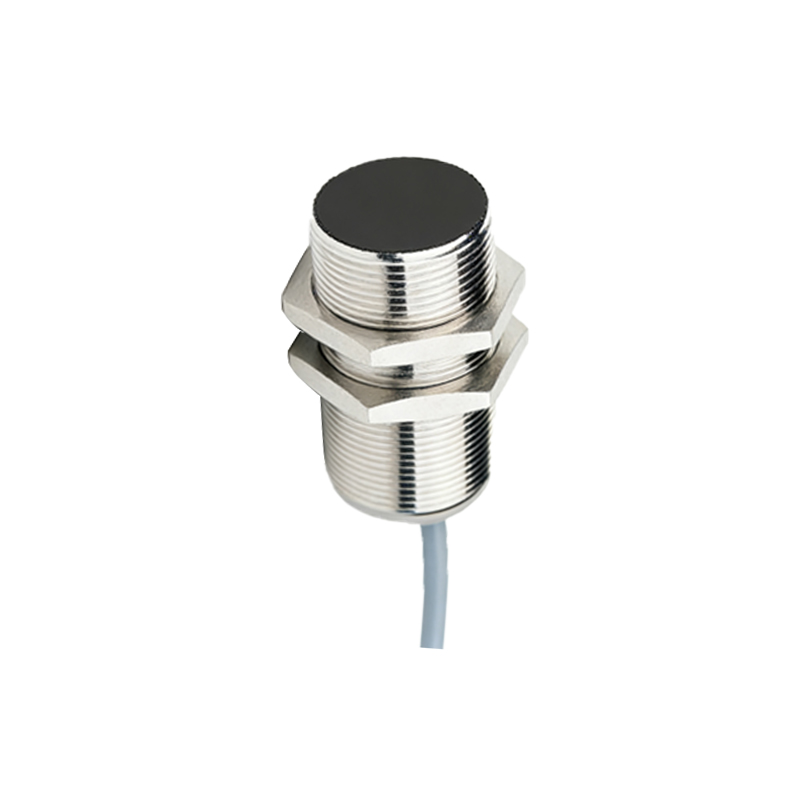
Selecting the appropriate battery for a proximity sensor involves a careful evaluation of several technical parameters aligned with the application's demands. Key considerations include:
1. Battery Chemistry: The choice dictates performance characteristics.
Lithium-based Batteries (Li-ion, Li-SOCl2): Favored for their high energy density, long shelf life (up to 10 years for Lithium Thionyl Chloride), and ability to perform in a wide temperature range (-40°C to +85°C for some types). They are ideal for remote, hard-to-access sensors or applications requiring long-term, maintenance-free operation.
Alkaline Batteries: Offer a cost-effective solution for standard-duty, easily accessible sensors in moderate environments. However, they have a shorter lifespan and are more susceptible to leakage and performance degradation in extreme temperatures.
Nickel-Metal Hydride (NiMH) Rechargeables: Suitable for sensors in cyclical use where frequent battery replacement is impractical. They require a charging infrastructure and have a higher self-discharge rate than lithium primary cells.
2. Voltage and Current Requirements: The sensor's specified operating voltage (commonly 3V, 3.6V, 12V, or 24V DC) must be matched precisely. The battery must also be capable of delivering the required continuous and peak current, especially for sensors with high-output configurations or built-in diagnostics LEDs.
3. Environmental Factors: Industrial settings are harsh. Batteries must withstand:
Temperature Extremes: Both high and low temperatures affect chemical reactions within the battery. Lithium chemistries generally excel here.
Vibration and Shock: Industrial machinery generates constant vibration. Batteries with robust internal construction and secure terminals are essential to prevent disconnection or damage.
Humidity and Contaminants: Sealed battery housings are crucial to prevent corrosion from moisture, oils, or metallic dust.
4. Lifespan and Maintenance: The goal is to maximize uptime. Calculating the sensor's average current draw (in milliamps or microamps) against the battery's rated capacity (in Amp-hours, Ah) provides an estimated service life. Implementing a proactive replacement schedule based on this calculation, well before the end-of-life voltage is reached, is a cornerstone of predictive maintenance. For critical applications, sensors with low-battery warning outputs or integration into facility-wide battery monitoring systems are highly recommended.
Innovations and Trends: The landscape of sensor power is evolving. Energy-harvesting technologies are emerging, where sensors can generate minute amounts of power from ambient light, thermal differences, or vibration, potentially creating self-sustaining systems for very low-power sensors. Furthermore, the development of advanced battery management systems (BMS) for rechargeable setups allows for more precise state-of-charge monitoring and health diagnostics, integrating seamlessly with Industry 4.0 data analytics platforms.
In conclusion, the battery in a proximity sensor is far from a mere commodity. It is a vital engineering component whose selection requires a systematic approach. By meticulously matching battery chemistry, specifications, and environmental ratings to the sensor's duty cycle and operational context, engineers and maintenance professionals can ensure unwavering reliability, minimize unplanned downtime, and safeguard the precision that modern automated systems depend upon. The right power source doesn't just run the sensor; it ensures the integrity of the entire control loop.