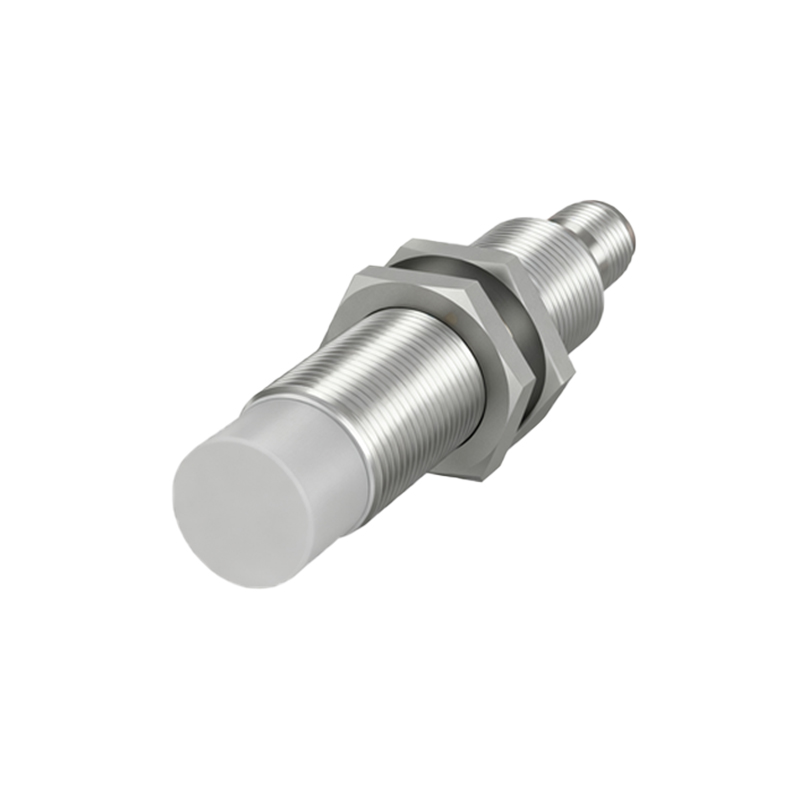
Electric cow proximity sensors, also known as livestock detection sensors, are specialized devices designed to monitor the presence and movement of cattle in agricultural and industrial settings. These sensors play a crucial role in modern farming automation, enhancing efficiency, safety, and animal welfare. If you're wondering where to find these sensors, this guide provides a comprehensive overview of their applications, key suppliers, and installation considerations.
Electric cow proximity sensors are primarily used in automated milking systems, feeding stations, and grazing management. In dairy farms, they ensure cows are correctly positioned for milking, triggering equipment only when an animal is present to prevent waste and damage. For feeding, sensors detect when a cow approaches a trough, dispensing precise amounts of feed to optimize nutrition and reduce costs. In grazing areas, these sensors help track cattle movement, alerting farmers to potential escapes or health issues through integrated monitoring systems.
When sourcing electric cow proximity sensors, several reputable manufacturers and distributors stand out. Companies like Siemens, Omron, and Schneider Electric offer industrial-grade proximity sensors adaptable for agricultural use, with models featuring robust housings to withstand harsh farm environments. Specialized agricultural technology providers, such as Lely and DeLaval, integrate these sensors into their automated farming solutions, providing tailored options for livestock management. Additionally, online marketplaces like Amazon and Alibaba list a variety of sensors from global suppliers, though it's essential to verify specifications for durability and compatibility with existing farm equipment.
Installation locations vary based on farm layout and goals. Common spots include milking parlors, where sensors are mounted near entry points or milking units to detect cow presence; feeding lanes, where they are embedded in troughs or gates; and pasture gates, where sensors monitor herd movement. Proper placement ensures accurate detection, typically within a range of a few centimeters to several meters, depending on the sensor type (e.g., inductive, capacitive, or ultrasonic). For optimal performance, sensors should be shielded from moisture, dust, and physical impacts, often requiring protective enclosures in outdoor or high-traffic areas.
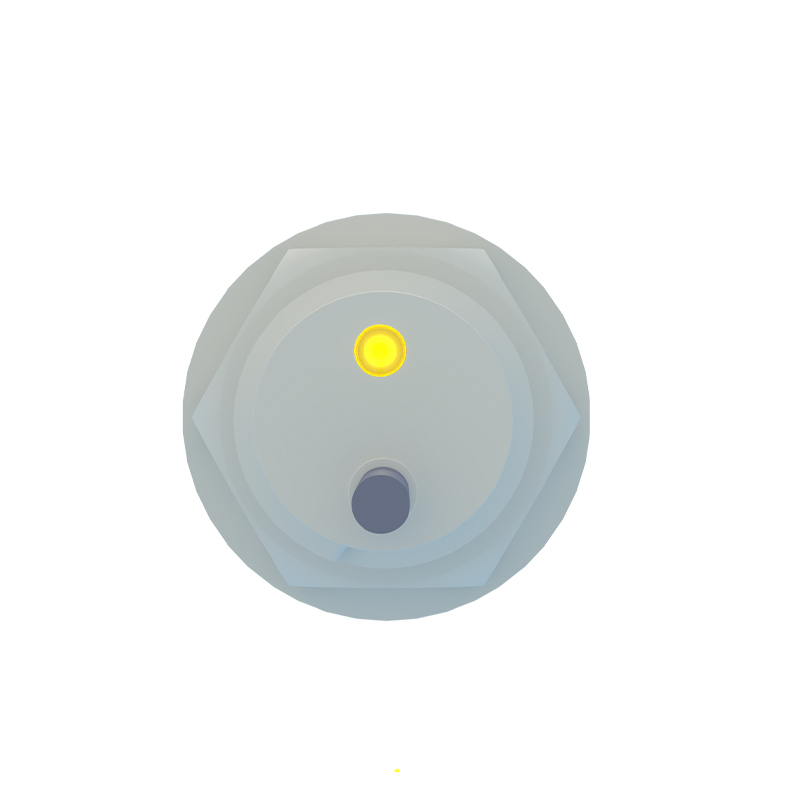
When selecting a sensor, consider factors like detection range, response time, and connectivity. Modern electric cow proximity sensors often feature wireless capabilities, integrating with IoT platforms for real-time data analysis. This allows farmers to monitor cattle behavior remotely, improving decision-making and productivity. Regular maintenance, such as cleaning lenses or checking wiring, is also vital to ensure long-term reliability.
In summary, electric cow proximity sensors are widely available from industrial automation brands and agricultural specialists, with applications spanning milking, feeding, and grazing systems. By choosing the right sensor and installing it strategically, farmers can streamline operations and enhance livestock care. For those seeking these devices, researching trusted suppliers and consulting with agricultural engineers can lead to effective implementations tailored to specific farm needs.