In the demanding world of industrial automation and process control, the reliability of sensing technology is paramount. Among the most critical components are proximity sensors, devices designed to detect the presence or absence of an object without physical contact. However, standard sensors falter in harsh conditions involving extreme heat and immense pressure. This is where specialized high-temperature and high-pressure proximity sensors become indispensable, engineered to deliver unwavering performance where others cannot.
The core challenge in these environments is material science. Standard sensor housings, typically made from polymers like PBT or PPS, degrade or melt. Advanced models utilize robust materials such as stainless steel (grades 316 or 304), Inconel, or specially formulated ceramics. These materials offer exceptional resistance to corrosion, thermal expansion, and mechanical stress. For instance, a sensor with a ceramic face can withstand direct exposure to temperatures exceeding 1000°C in certain applications, while a hermetically sealed stainless steel body maintains integrity under pressures of hundreds of bar.
Internally, the sensing technology itself must be protected. Inductive proximity sensors, common for metal detection, use a coiled oscillator circuit. In high-temperature variants, the coil is wound with high-temperature-rated wire, and the core uses ferrite materials with stable magnetic properties across a wide thermal range. The electronic components are potted with high-temperature epoxy or silicone compounds that provide both thermal conduction away from sensitive parts and exceptional vibration dampening. For capacitive or ultrasonic sensors used in non-metal detection, specialized piezoelectric crystals stable at high temperatures are employed.
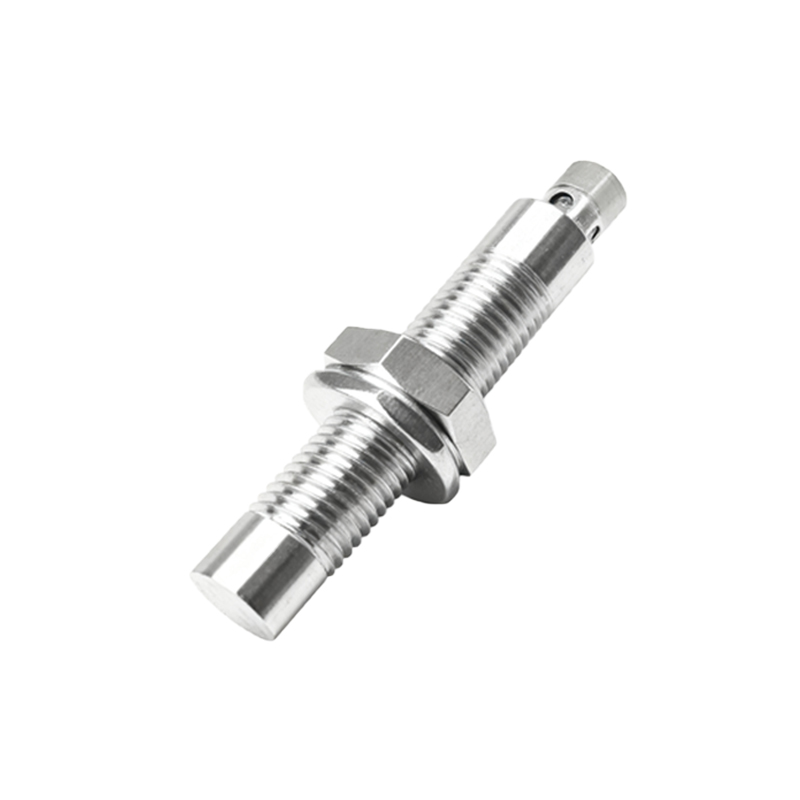
The sealing methodology is another critical engineering frontier. To withstand both high pressure and prevent ingress of contaminants like molten metal splash or abrasive dust, advanced welding techniques like laser or electron beam welding create a hermetic seal between the housing and the sensing face. Multi-layered gasket systems, often incorporating metal and graphite, are used in assemblies requiring serviceability. These seals are rigorously tested under thermal cycling and pressure pulsation to ensure a leak-proof integrity over the sensor's operational lifespan.
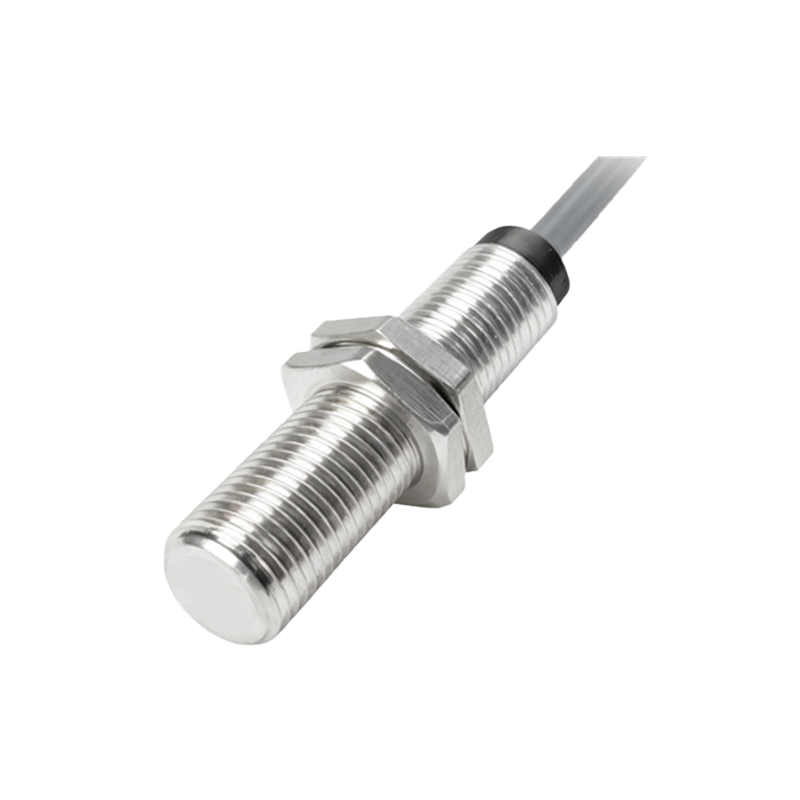
Applications for these rugged sensors are found in the most intense industrial sectors. In metal casting and forging, they monitor die position, billet presence, and robot end-effector location near furnaces. In the oil and gas industry, they are deployed on subsea equipment, wellheads, and within refining catalytic crackers, facing both high pressure and explosive atmospheres. Aerospace manufacturing uses them near autoclaves for composite curing, and the power generation sector relies on them in boiler systems and turbine monitoring.
Selecting the right sensor requires a detailed analysis of the operating envelope. Key specifications include:
Continuous Operating Temperature: Ranges from -40°C to over 250°C are standard for high-temp models, with special designs exceeding 400°C.
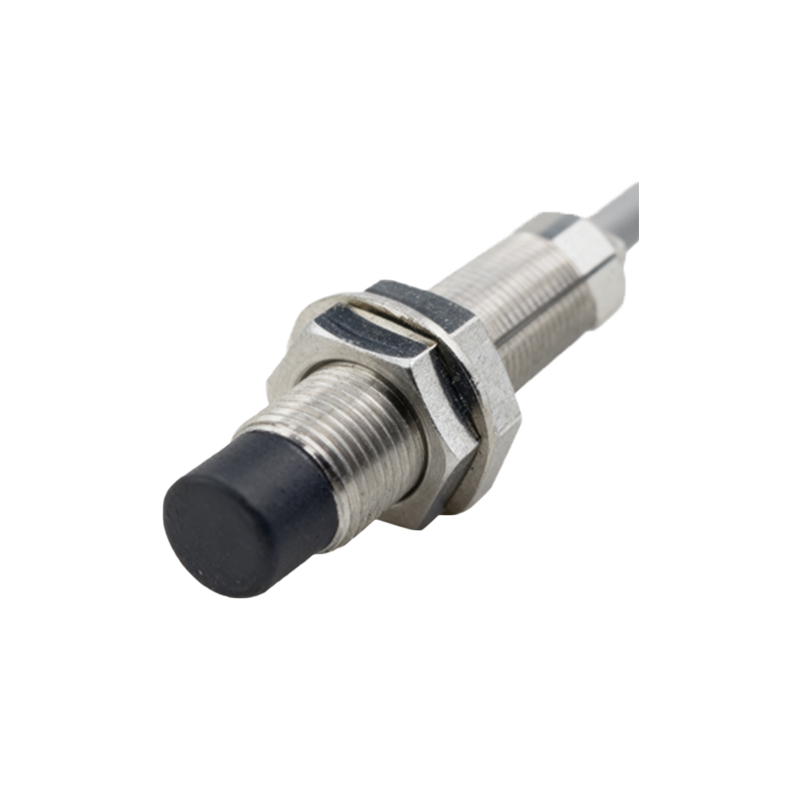
Pressure Rating: Specified in bar or PSI, both for static pressure and potential pressure shocks or waves.
Environmental Protection: IP (Ingress Protection) ratings (e.g., IP67, IP69K) and NEMA ratings define resistance to solids and liquids. For hazardous areas, certifications like ATEX, IECEx, or UL are mandatory.
Output Type: PNP/NPN transistor outputs or analog outputs (4-20mA) are common, with the choice depending on the control system's interface and required signal integrity over long cable runs in noisy environments.
Installation and maintenance also demand careful consideration. Proper mounting, using thermally conductive or insulating brackets as needed, prevents heat sinking or hotspots. Cable selection is crucial; high-temperature Teflon or fiberglass insulated cables must be used to match the sensor's rating. Predictive maintenance schedules should include regular checks of the sensor's output signal stability and the integrity of its housing and seals, as performance degradation in these parameters often precedes failure.
In conclusion, high-temperature and high-pressure proximity sensors represent the pinnacle of robustness in sensing technology. They are not merely modified standard sensors but are purpose-built from the ground up using advanced materials, sealing technologies, and electronic designs. Their development is a direct response to the escalating demands of modern industry, enabling automation, safety, and efficiency in environments once considered too hostile for reliable electronic measurement. As industries push the boundaries of temperature and pressure in processes like additive manufacturing with metals or deep-sea exploration, the evolution of these critical sensors will continue to be a key enabler of technological progress.