Laser distance sensors are widely used in industrial automation, robotics, and measurement applications due to their high precision and non-contact operation. However, despite their advantages, they come with several notable drawbacks that users must consider before implementation.
One significant disadvantage is their sensitivity to environmental conditions. Factors such as dust, fog, rain, or steam can scatter or absorb the laser beam, leading to inaccurate readings or complete failure. In outdoor settings or harsh industrial environments, this limitation often necessitates additional protective enclosures or frequent maintenance, increasing overall costs.
Another issue is the high cost associated with laser sensors. Compared to ultrasonic or infrared alternatives, laser-based systems are generally more expensive to purchase and install. This cost factor can be prohibitive for small-scale projects or applications where budget constraints are a primary concern. Additionally, the complexity of laser sensor technology may require specialized training for operation and troubleshooting, further adding to expenses.
Laser sensors also face challenges with certain surface types. Highly reflective or transparent materials, such as glass or polished metal, can cause the laser beam to reflect improperly, resulting in measurement errors. Dark or matte surfaces, on the other hand, may absorb too much light, reducing signal strength and reliability. Users often need to calibrate sensors for specific materials or apply surface treatments, which can be time-consuming.

Safety concerns represent another critical drawback. Class 2 or higher laser sensors emit concentrated light beams that can pose risks to human eyesight if proper precautions are not taken. This necessitates the implementation of safety measures like protective barriers, warning labels, and compliance with regulations such as the FDA’s laser product standards. In public or dynamic environments, these safety requirements can limit flexibility and increase operational complexity.
Interference from external light sources is a common problem as well. Strong ambient light, such as direct sunlight or high-intensity industrial lighting, can overwhelm the sensor’s receiver, causing false readings. While some models include filters or modulated lasers to mitigate this, they may not be fully effective in all scenarios, requiring controlled lighting conditions for optimal performance.
Limited measurement range is another constraint. Although laser sensors offer high accuracy over short to medium distances, their effectiveness diminishes over longer ranges. For applications requiring measurements beyond several hundred meters, alternative technologies like LiDAR or radar might be more suitable, though often at a higher cost or with reduced precision.
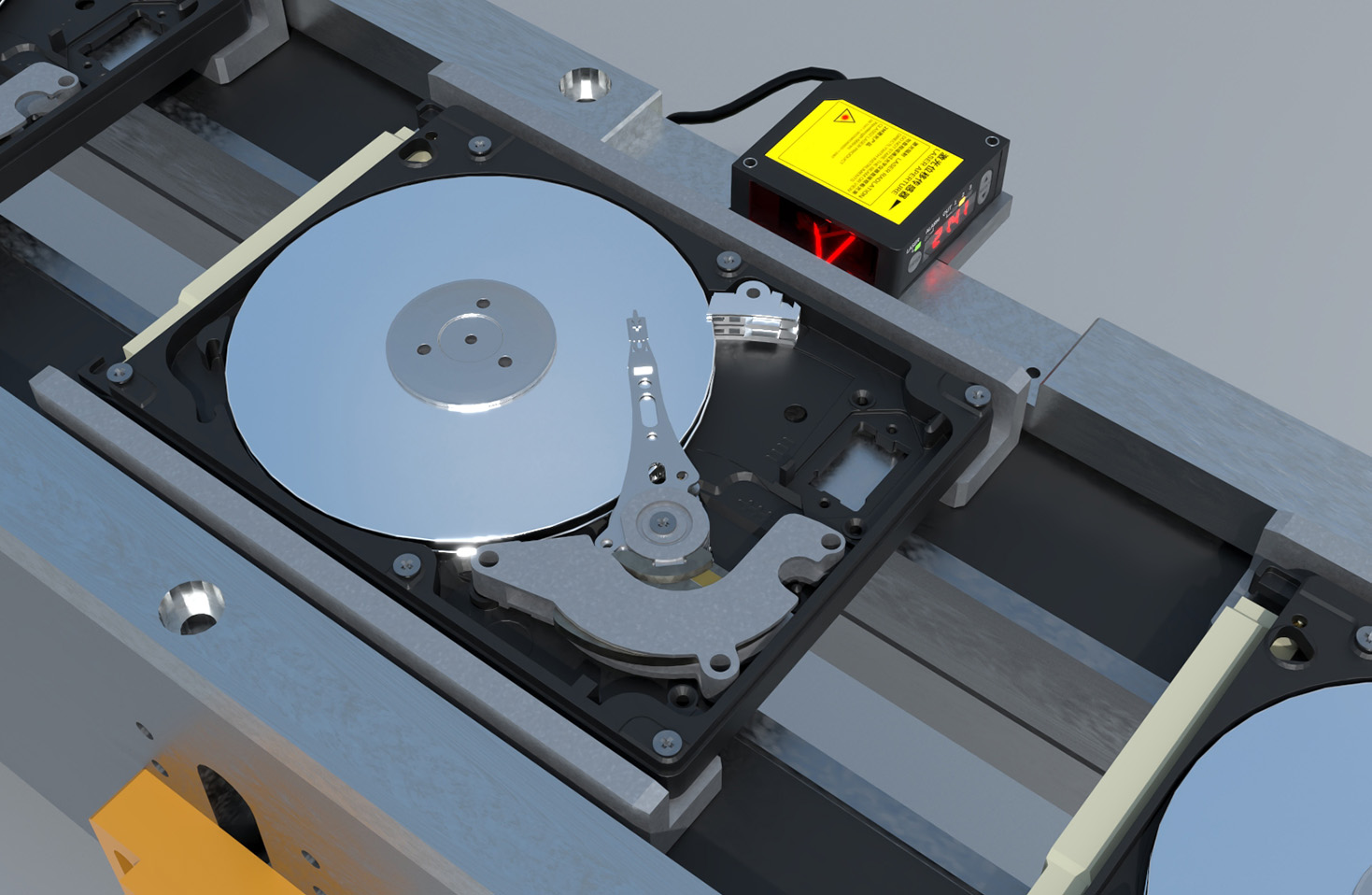
Finally, laser sensors are generally not suitable for measuring moving objects at high speeds. The response time of the sensor, though fast, may not keep up with rapid motion, leading to lag or inaccuracies. In dynamic applications like high-speed conveyor systems or vehicle tracking, this can be a significant limitation, requiring complementary sensor systems to ensure reliability.
In summary, while laser distance sensors provide excellent accuracy and versatility, their disadvantages—including environmental sensitivity, high cost, material limitations, safety risks, light interference, range constraints, and speed issues—must be carefully evaluated. Users should assess their specific application needs and environmental conditions to determine if laser sensors are the most practical choice or if alternative technologies might offer better solutions.