In the fast-paced world of industrial automation, efficiency and reliability are paramount. Square proximity sensors have emerged as a critical component in modern manufacturing and machinery, offering non-contact detection of metallic objects with precision. Today, we explore the advantages of opting for cost-effective square proximity sensors, highlighting how they deliver exceptional performance without compromising on quality.
Square proximity sensors are designed with a robust housing that withstands harsh industrial environments, including exposure to dust, moisture, and temperature fluctuations. Their compact, square shape allows for easy integration into tight spaces, making them ideal for assembly lines, packaging systems, and robotic applications. Unlike cylindrical sensors, square models often feature multiple sensing faces, providing flexibility in installation and detection angles. This versatility reduces setup time and enhances operational adaptability.
One of the key benefits of affordable square proximity sensors is their advanced sensing technology. Utilizing inductive or capacitive principles, these sensors detect ferrous and non-ferrous metals with high accuracy, ensuring minimal false triggers. For instance, inductive square sensors are perfect for metal detection in automotive manufacturing, while capacitive variants can handle non-metallic materials like plastics or liquids in food processing. With response times in the microsecond range, they contribute to faster cycle times and increased productivity.
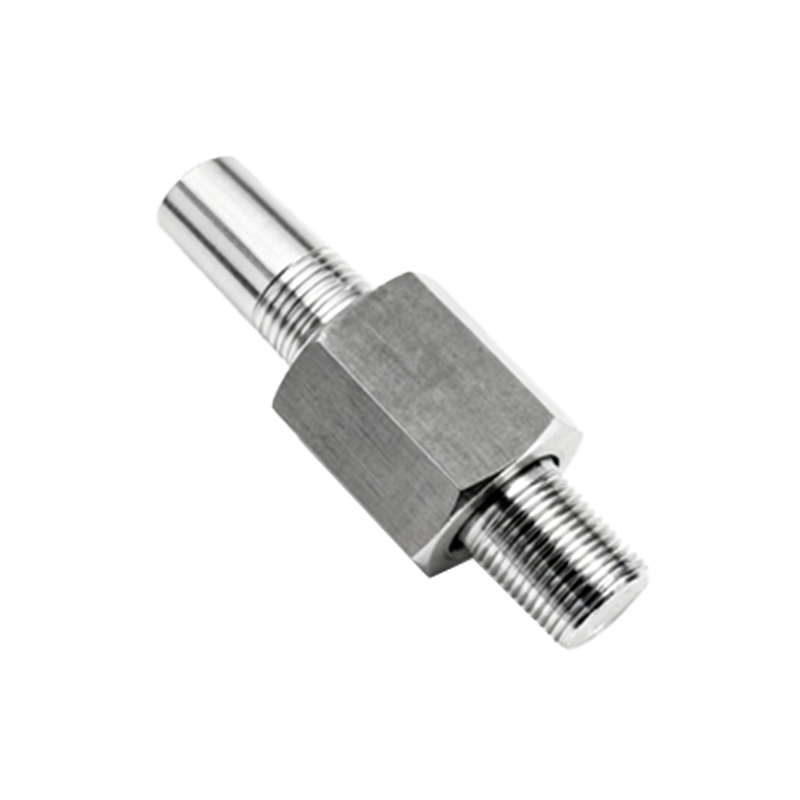
Cost-effectiveness does not mean sacrificing durability. Many budget-friendly square proximity sensors are built with industrial-grade materials, such as nickel-plated brass or stainless steel, offering resistance to corrosion and mechanical stress. They typically comply with international standards like IP67 or IP69K for ingress protection, ensuring longevity even in demanding conditions. Additionally, features like short-circuit protection and reverse polarity safeguards prevent damage from electrical faults, reducing maintenance costs and downtime.
From an economic perspective, investing in affordable square proximity sensors can lead to significant savings. By optimizing detection processes, these sensors minimize material waste and prevent equipment collisions, lowering repair expenses. Their energy-efficient designs, often operating on low voltage DC supplies, also cut down on power consumption. For small to medium-sized enterprises, this makes automation more accessible, enabling scalability without hefty upfront investments.

In practice, applications abound. In conveyor systems, square proximity sensors monitor object presence and position, streamlining logistics. In CNC machines, they ensure tool alignment and prevent errors. Even in safety mechanisms, they act as non-contact switches to halt operations when hazards are detected. With easy wiring and compatibility with PLCs (Programmable Logic Controllers), integration is straightforward, requiring minimal technical expertise.
To maximize value, consider factors like sensing range, output type (e.g., NPN or PNP), and environmental ratings when selecting a sensor. Many suppliers offer customizable options, allowing you to tailor sensors to specific needs without overspending. Regular calibration and cleaning can further extend their lifespan, ensuring consistent performance over years of use.
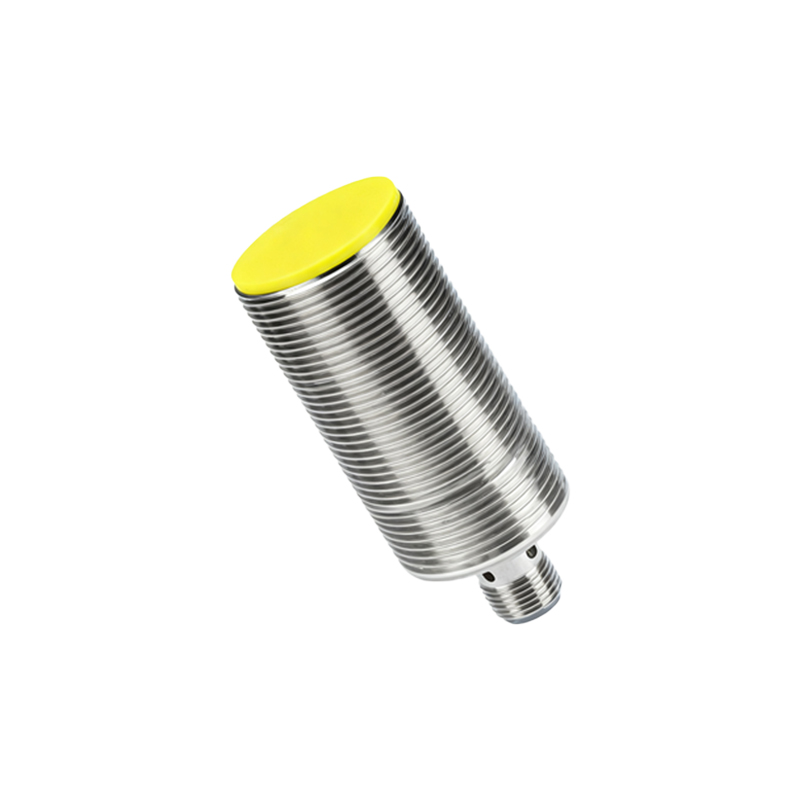
In conclusion, affordable square proximity sensors represent a smart choice for industries seeking to enhance automation while controlling costs. Their reliability, adaptability, and efficiency make them indispensable tools in today’s competitive landscape. By choosing quality-driven yet economical models, businesses can achieve higher ROI and sustainable growth.