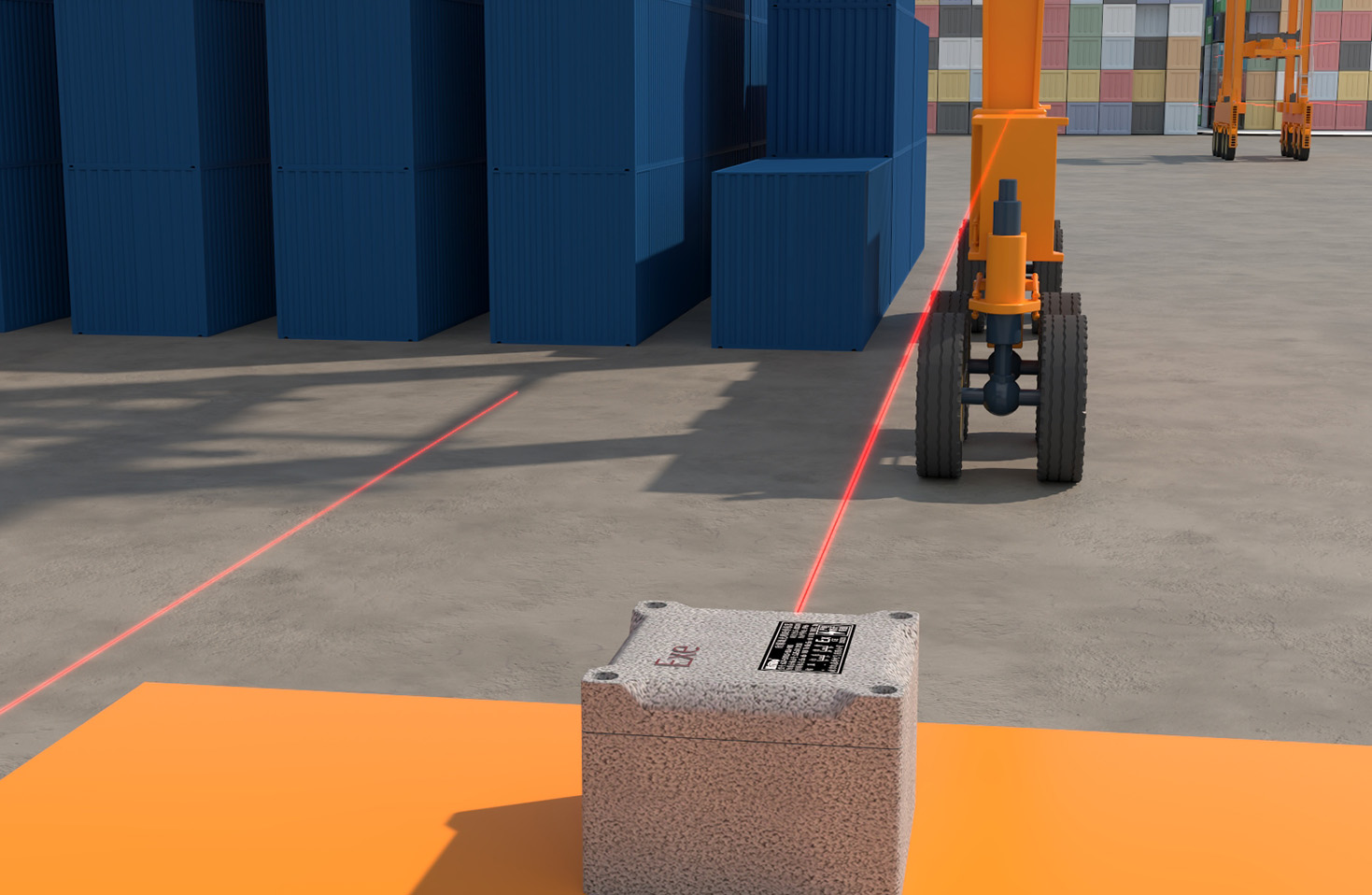
In recent years, China has emerged as a global leader in laser sensor technology, driven by substantial investments in research and development, as well as a growing demand for advanced automation and precision measurement across various industries. Laser sensors, which utilize laser beams to detect, measure, or monitor objects and environments, have become integral components in sectors ranging from manufacturing and automotive to healthcare and aerospace. This article explores the key advancements, applications, and future trends of laser sensor technology in China, highlighting its impact on industrial innovation and economic growth.
The development of laser sensors in China has been accelerated by government initiatives such as "Made in China 2025," which emphasizes smart manufacturing and high-tech innovation. Chinese companies and research institutions have made significant strides in improving sensor accuracy, miniaturization, and cost-effectiveness. For instance, advancements in fiber-optic laser sensors have enabled more reliable measurements in harsh environments, while innovations in LiDAR (Light Detection and Ranging) technology have enhanced capabilities in autonomous vehicles and robotics. These improvements are not only boosting domestic production but also positioning Chinese products competitively in international markets.
One of the primary applications of laser sensors in China is in the manufacturing sector, where they are used for quality control, dimensional inspection, and assembly line automation. In automotive manufacturing, laser sensors ensure precise alignment of components and detect defects in real-time, reducing waste and increasing efficiency. Similarly, in electronics production, they facilitate the miniaturization of devices by enabling ultra-precise measurements at microscopic scales. The integration of artificial intelligence with laser sensor systems has further optimized these processes, allowing for predictive maintenance and adaptive control in smart factories.
Beyond manufacturing, laser sensors play a crucial role in environmental monitoring and safety. In China's rapidly urbanizing cities, LiDAR sensors are deployed for air quality assessment, traffic management, and infrastructure inspection. They help detect pollutants, monitor structural integrity of bridges and buildings, and improve disaster response through accurate terrain mapping. Additionally, in the healthcare industry, laser-based sensors are used in medical imaging and diagnostic equipment, contributing to early disease detection and minimally invasive surgeries.

The future of laser sensor technology in China looks promising, with ongoing research focused on enhancing sensitivity, expanding wavelength ranges, and reducing energy consumption. Emerging trends include the development of quantum laser sensors for ultra-high precision applications and the integration of Internet of Things (IoT) platforms for seamless data connectivity. As China continues to invest in 5G networks and digital infrastructure, laser sensors are expected to become even more ubiquitous, driving innovations in smart cities, renewable energy, and space exploration.
In conclusion, China's advancements in laser sensor technology reflect its commitment to technological sovereignty and industrial modernization. By fostering collaboration between academia, industry, and government, China is not only addressing domestic challenges but also contributing to global technological progress. As these sensors become more sophisticated and affordable, they will undoubtedly play a pivotal role in shaping the future of automation and precision engineering worldwide.