In the realm of industrial automation, clamp sensors and proximity switches play pivotal roles in ensuring precision, safety, and efficiency. These devices are integral to modern manufacturing processes, enabling seamless control and monitoring without physical contact. Clamp sensors, often utilized for current measurement, provide non-invasive monitoring of electrical parameters in machinery. By clamping around a conductor, they detect current flow and convert it into measurable signals, facilitating real-time analysis and preventing overloads. This capability is crucial in applications ranging from energy management to predictive maintenance, where accurate data collection minimizes downtime and enhances operational reliability.
Proximity switches, on the other hand, are designed to detect the presence or absence of objects within a specified range. Operating on principles such as inductive, capacitive, or magnetic sensing, these switches offer robust performance in harsh environments. Inductive proximity switches, for instance, are ideal for metal detection in automated assembly lines, while capacitive variants can sense non-metallic materials like plastics or liquids. Their contactless nature reduces wear and tear, leading to longer service life and lower maintenance costs. In conveyor systems, proximity switches ensure precise positioning of items, triggering actions like sorting or packaging with high accuracy.
The synergy between clamp sensors and proximity switches enhances system integration. For example, in a robotic welding station, clamp sensors monitor electrical current to maintain optimal welding conditions, while proximity switches detect the position of components to coordinate movements. This combination supports Industry 4.0 initiatives by enabling data-driven decision-making and automation. When selecting these devices, engineers must consider factors such as sensing range, environmental conditions, and output compatibility. Clamp sensors should be chosen based on current ratings and insulation requirements, whereas proximity switches require evaluation of sensing distance and material compatibility.
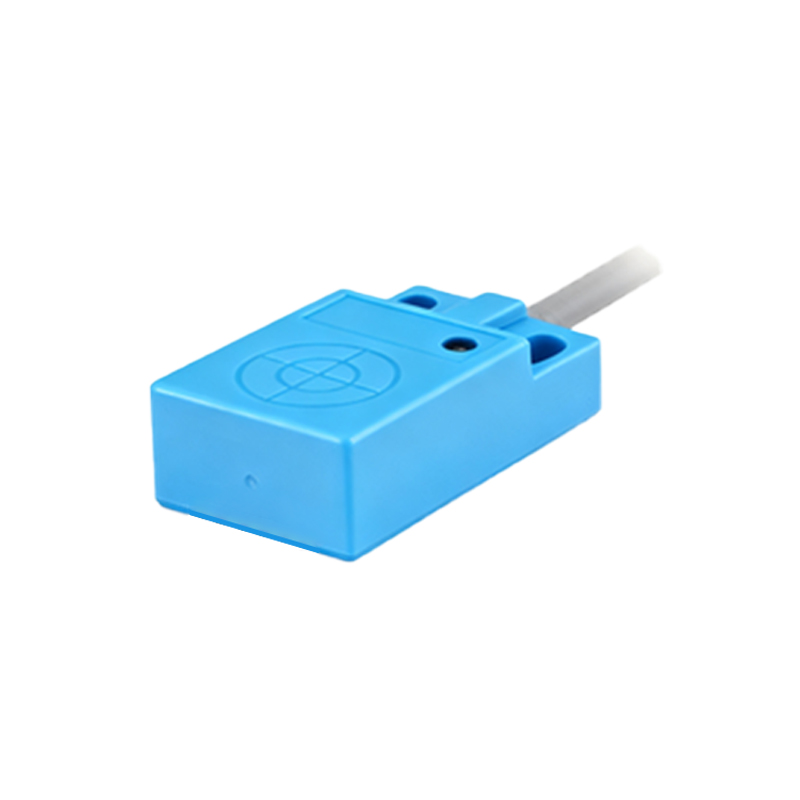
Advancements in technology have led to smarter versions with features like IoT connectivity and self-diagnosis. Modern clamp sensors may include wireless communication for remote monitoring, while proximity switches can integrate with PLCs (Programmable Logic Controllers) for adaptive control. These innovations contribute to safer workplaces by reducing human intervention in hazardous areas and improving response times to anomalies. In summary, clamp sensors and proximity switches are indispensable tools in industrial automation, driving productivity and innovation. Their continued evolution promises even greater efficiencies, making them key components in the future of smart manufacturing.