In the realm of industrial automation and precision control, proximity sensors play a pivotal role in enabling non-contact detection of objects. Among the various sizes available, the 3mm proximity sensor stands out for its compact design and high precision in confined spaces. This article delves into the working principles, types, key specifications, and typical applications of 3mm proximity sensors, providing essential insights for engineers and technicians in the electrical and automation sectors.
Proximity sensors are devices that detect the presence or absence of an object without physical contact. They operate based on electromagnetic fields, capacitive changes, or inductive principles. The 3mm variant refers to the sensing distance or the diameter of the sensing face, making it ideal for applications where space is limited but accuracy is paramount. Common types include inductive sensors, which detect metallic objects, and capacitive sensors, capable of sensing both metallic and non-metallic materials. Inductive 3mm sensors are widely used due to their reliability in harsh industrial environments, offering resistance to dust, oil, and moisture.
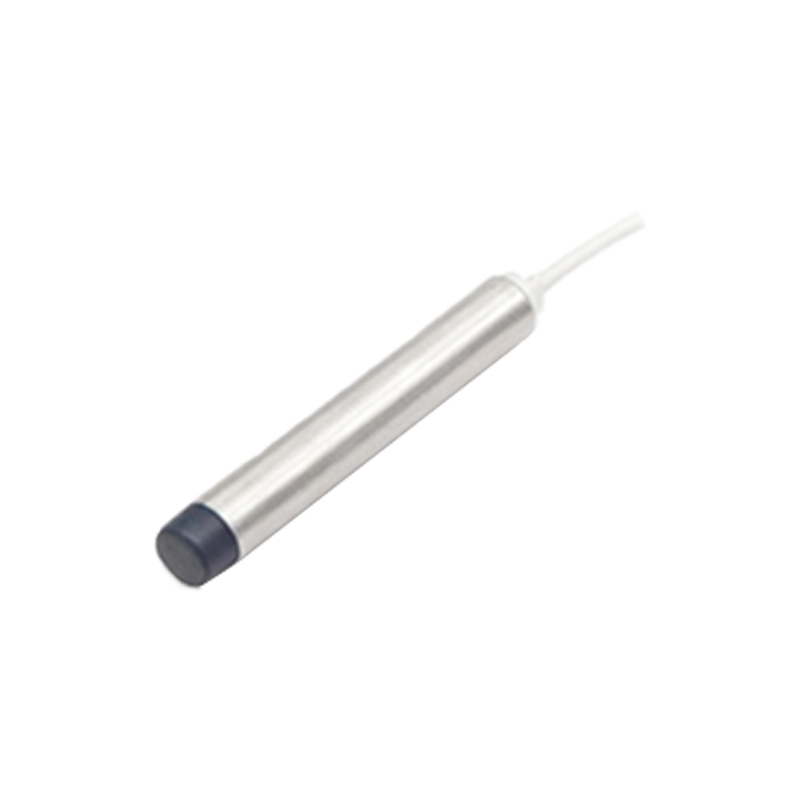
The core working principle of an inductive 3mm proximity sensor involves an oscillator circuit that generates an electromagnetic field at the sensing face. When a metallic object enters this field, eddy currents are induced, causing a change in the oscillation amplitude. This change is detected by the sensor's circuitry, triggering an output signal—typically a digital switch (e.g., PNP or NPN transistor output). Key specifications to consider include sensing distance (usually up to 3mm nominal), response frequency (often ranging from 100 Hz to 1 kHz), output type, voltage rating (commonly 10-30V DC), and environmental protection ratings like IP67 for dust and water resistance. These sensors are known for their fast response times, often in microseconds, ensuring real-time control in high-speed automation lines.
In industrial applications, 3mm proximity sensors are indispensable for precision tasks. They are commonly employed in robotic arms for end-effector positioning, CNC machines for tool detection, conveyor systems for small part counting, and assembly lines for verifying component presence. For instance, in electronics manufacturing, these sensors can detect tiny screws or connectors, preventing jams and ensuring quality control. Their compact size allows integration into tight spaces, such as within pneumatic cylinders or miniature machinery, without compromising performance. When selecting a 3mm proximity sensor, engineers must evaluate factors like target material (ferrous vs. non-ferrous metals), installation constraints, temperature ranges, and electrical compatibility with PLCs (Programmable Logic Controllers).
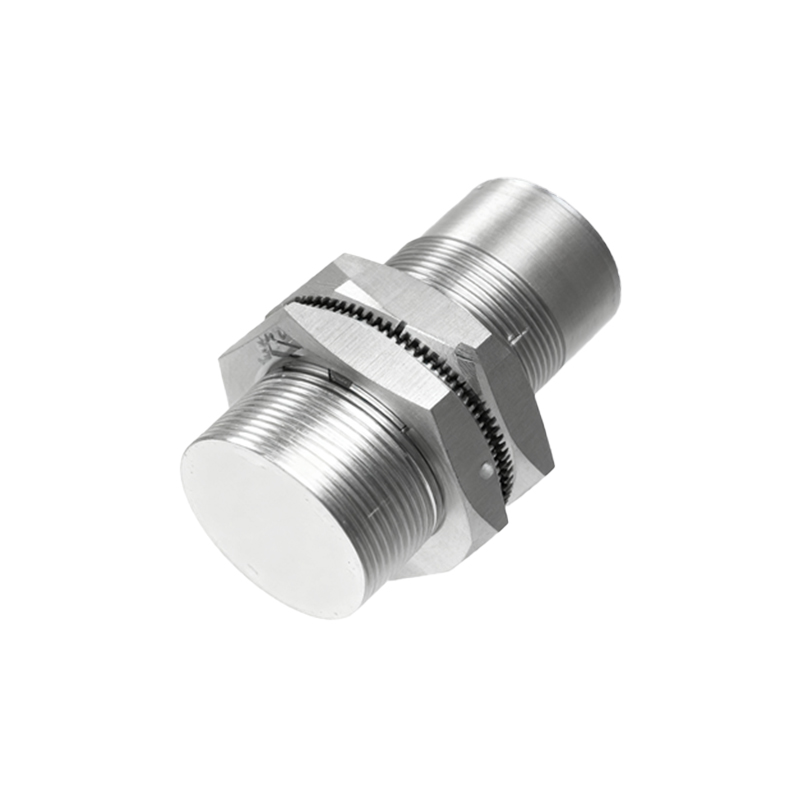
Maintenance and installation best practices are crucial for optimal performance. Sensors should be mounted securely to avoid vibration-induced errors, with adequate clearance from metal surfaces to prevent false triggering. Regular calibration checks are recommended, especially in high-precision setups, to account for wear or environmental changes. Advancements in technology have led to enhanced features, such as embedded diagnostics, IO-Link communication for smart factory integration, and improved shielding to reduce electromagnetic interference. As Industry 4.0 evolves, 3mm proximity sensors continue to adapt, offering greater connectivity and data analytics capabilities for predictive maintenance and efficiency gains.
In summary, 3mm proximity sensors are vital components in modern industrial systems, providing reliable, non-contact detection in space-constrained applications. Their versatility and durability make them a go-to choice for engineers seeking to enhance automation accuracy and productivity. By understanding their specifications and applications, professionals can leverage these sensors to optimize processes, reduce downtime, and drive innovation in sectors ranging from automotive to pharmaceuticals. As technology progresses, we can expect further miniaturization and intelligence in these devices, solidifying their role in the future of automation.