Proximity sensor manufacturing represents a sophisticated intersection of materials science, precision engineering, and advanced electronics. This guide delves into the core processes, technologies, and quality considerations that define modern production lines for these critical industrial components.
The journey begins with the selection of raw materials, which is paramount to sensor performance. For inductive sensors, ferrite cores are commonly used for their high magnetic permeability, while housings are typically crafted from nickel-plated brass, stainless steel (such as 303 or 316 grades), or engineering plastics like PBT or PPS, chosen for their durability and resistance to industrial fluids. Capacitive sensors require specific dielectric materials, and ultrasonic sensors demand precisely engineered piezoelectric crystals. The quality of these raw materials directly influences the sensor's sensing range, temperature stability, and longevity.
The heart of an inductive proximity sensor is its coil assembly. This involves winding extremely fine copper wire, often with diameters less than 0.05mm, onto a bobbin or directly onto the ferrite core. This process is highly automated using computer-controlled winding machines to ensure consistent turn count, tension, and layering, which are critical for achieving a stable oscillation frequency and a precise switching point. The wound coil is then potted with a thermosetting epoxy resin to protect it from moisture, vibration, and mechanical stress.
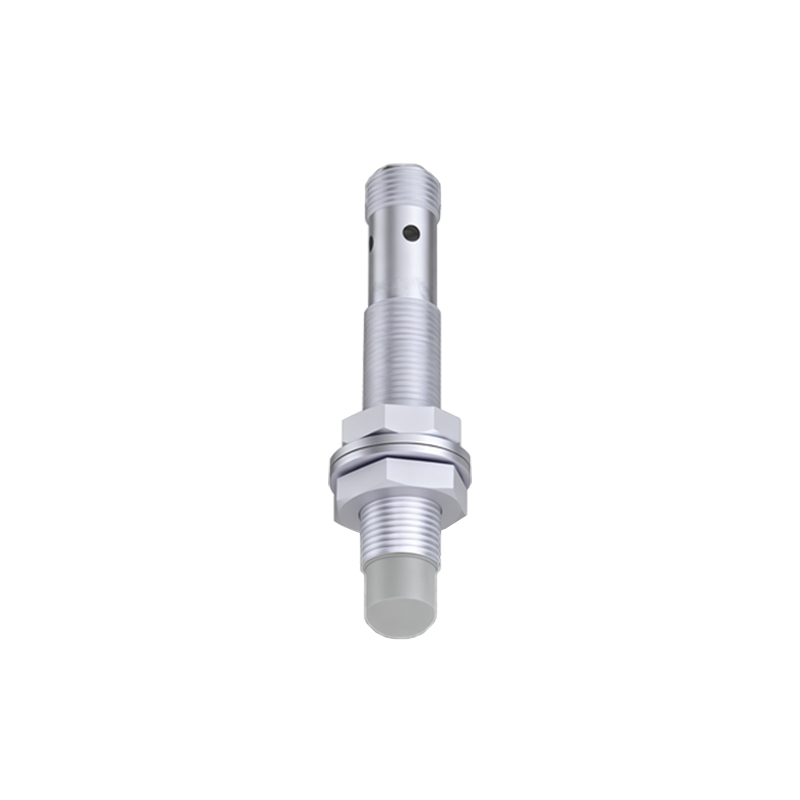
The electronic oscillator circuit, which generates the high-frequency electromagnetic field, is typically built on a printed circuit board (PCB). Surface-mount technology (SMT) is the standard for populating these PCBs with microcontrollers, oscillators, signal amplifiers, and output switching components (like MOSFETs or relays). Automated optical inspection (AOI) and in-circuit testing (ICT) are performed at this stage to verify solder joint integrity and circuit functionality before integration with the coil assembly.
The assembly of the sensing face is a critical step. For inductive sensors, this involves precisely positioning and bonding the ferrite core and coil assembly within the sensor housing. A damping compound is often applied behind the sensing face to absorb mechanical vibrations and prevent false triggering. The front face is then sealed with an epoxy or a specialized polymer that is transparent to the sensor's specific field (electromagnetic or ultrasonic) yet provides a robust barrier against chips, coolants, and metal shavings. This hermetic sealing process is often conducted in a controlled environment to eliminate air bubbles and ensure a flawless barrier.
Calibration and testing form the backbone of quality assurance. Each sensor undergoes rigorous functional testing. Key parameters verified include:
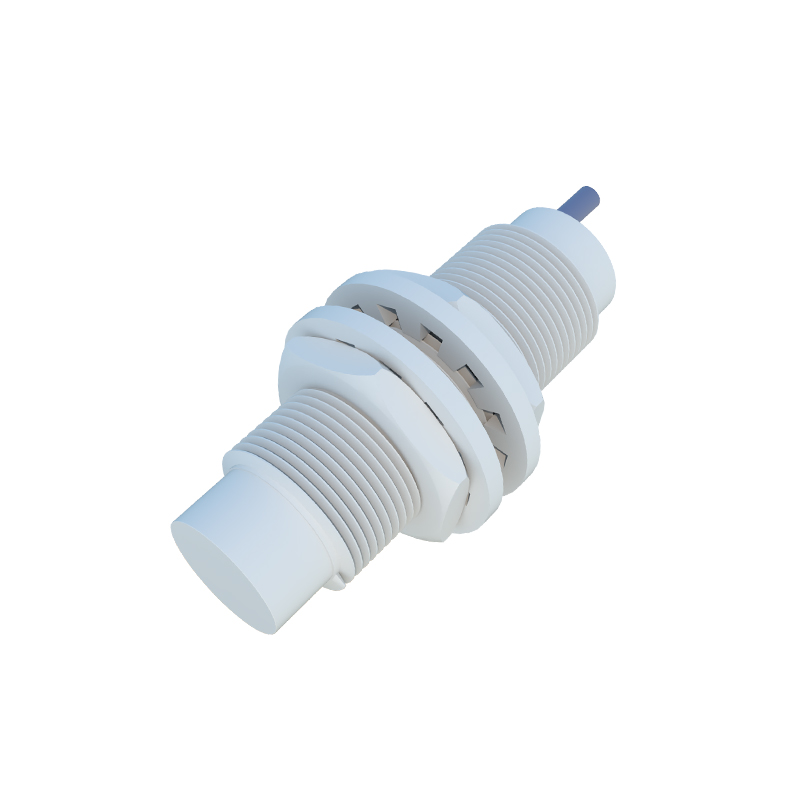
Switching Distance (Sn): The sensor is tested against standardized target materials to ensure the actual sensing distance falls within the specified tolerance (typically ±10%).
Hysteresis: The difference between the switch-on and switch-off points is measured to ensure stable switching behavior and prevent chattering.
Repeat Accuracy: The sensor is cycled thousands of times to confirm it triggers at the exact same point consistently.
Environmental Tests: Samples from each batch are subjected to temperature cycling, humidity exposure, IP-rated ingress protection tests (e.g., IP67, IP69K), and vibration/shock tests to validate robustness.
For advanced sensors featuring IO-Link, analog output, or teach-in functionality, firmware is loaded, and digital communication is thoroughly validated. Final assembly involves attaching connectors (M8, M12, M18 are standard) or pre-wired cables, applying laser marking for part numbers and ratings, and packaging.
The industry is continuously evolving. Trends include the miniaturization of sensors for tighter spaces, the integration of more intelligence and diagnostics via IO-Link, and the development of hybrid sensors that can detect multiple types of targets. Manufacturing lines are increasingly adopting Industry 4.0 principles, with sensors being produced by machines that are themselves monitored by sensors, creating a data-rich feedback loop for predictive maintenance and zero-defect production goals.
In conclusion, manufacturing a high-quality proximity sensor is a testament to precision engineering. It requires meticulous control over every stage—from material purity and coil winding precision to rigorous sealing and exhaustive testing. For electrical engineers specifying these components, understanding this manufacturing depth is key to selecting the right sensor for demanding applications in automation, automotive, packaging, and beyond, ensuring reliability in the most challenging industrial environments.