In the demanding world of industrial automation, reliability is non-negotiable. Machinery operates in environments saturated with cutting fluids, lubricants, coolants, and various industrial oils. Standard sensors often fail prematurely when exposed to these substances, leading to unplanned downtime, production losses, and increased maintenance costs. This is where oil-resistant rectangular proximity sensors become indispensable. Their specialized design and robust construction are engineered to deliver consistent, long-term performance where others cannot.
The primary distinction of an oil-resistant rectangular proximity sensor lies in its housing and sealing. Unlike standard models, these sensors feature housings typically constructed from high-grade materials such as nickel-plated brass, stainless steel (V2A or V4A grades), or specially formulated engineering plastics like PBT or PPS. These materials inherently resist the corrosive and degrading effects of oils and many chemicals. The critical factor, however, is the ingress protection (IP) rating, specifically the sealing. A rating of IP67 is common, indicating complete protection against dust and protection against temporary immersion in water. For truly oil-saturated environments, IP69K ratings are increasingly specified. This rating guarantees protection against high-pressure, high-temperature jet washing and prolonged exposure to oils, ensuring the internal electronics remain completely isolated.
Rectangular form factors offer significant advantages in industrial settings. Their flat surfaces and defined edges allow for easier mounting and alignment on machine frames, often fitting into spaces where cylindrical sensors might not. The shape also provides a larger surface area for labeling, status LEDs, and cable outlet options (axial, radial, or with a connector). This versatility in mounting and connection simplifies installation and maintenance procedures. Internally, these sensors utilize inductive, capacitive, or magnetic sensing principles. Inductive sensors are most prevalent for metal detection. Their oil-resistant variants have a specially potted coil and electronics, preventing oil from penetrating and altering the sensing characteristics or causing short circuits.
The applications for oil-resistant rectangular proximity sensors are vast and critical. They are fundamental in machine tooling centers for tool position detection, pallet clamping verification, and door interlocking on CNC machining centers constantly exposed to cutting oil mists. In the automotive manufacturing sector, they monitor piston positions in hydraulic presses, verify part presence in washing stations, and control robotic welding arms in body shops where lubricants are omnipresent. Food and beverage processing, which uses food-grade oils and aggressive cleaning agents, also relies on these sensors for packaging machinery and filling line controls. Their reliability ensures safety interlocks function correctly, preventing machine cycles if a guard is open or a part is misaligned, even when coated in oil.
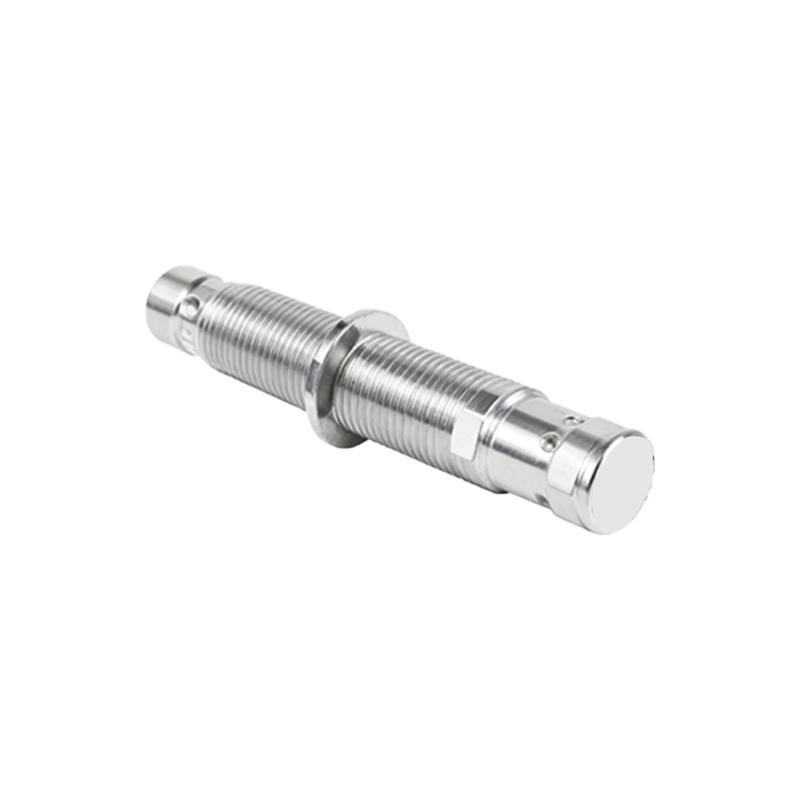
Selecting the right oil-resistant rectangular proximity sensor requires careful consideration of several parameters beyond just the housing material. The sensing distance, rated for the specific application, must be chosen with a safety margin, as oil films on the target can slightly reduce effective range. The output type (PNP/NPN, NO/NC) must match the control system's PLC input card specifications. Operating voltage range (commonly 10-30V DC) and current rating are also crucial. Furthermore, attention must be paid to the cable or connector specification; the cable jacket must be made of oil-resistant material like PUR (polyurethane) to prevent swelling, cracking, and degradation over time. Consulting technical datasheets for explicit compatibility with the specific oils and chemicals present in the application is a mandatory step.
Installation and maintenance, while simplified by the robust design, still require diligence. Mounting should be secure to prevent vibration-induced misalignment. While the sensor face is resistant, excessive buildup of metallic swarf or thick sludge should be periodically wiped clean to maintain optimal sensing performance. The integrity of the cable gland or connector seal is paramount and should be inspected during routine maintenance schedules. By following these guidelines, the operational lifespan of the sensor is maximized.
In conclusion, oil-resistant rectangular proximity sensors are not merely optional upgrades but essential components for modern industrial automation operating in hostile conditions. Their engineered resilience against oil and chemical exposure directly translates to higher machine availability, improved process reliability, and lower total cost of ownership. By investing in these specialized sensors, engineers and plant managers build a more robust and fault-tolerant automation foundation, ensuring that production continues smoothly even in the harshest, oil-drenched environments. Their rectangular design provides practical mounting benefits, making them a versatile and reliable choice for countless position-sensing tasks where failure is not an option.