In industrial automation, metal proximity sensors are indispensable components for detecting the presence or absence of metallic objects without physical contact. Among their critical performance parameters, detection frequency stands out as a key factor influencing system efficiency and responsiveness. This article delves into the technical aspects of detection frequency, its determinants, and practical considerations for optimization.
Detection frequency, often expressed in Hertz (Hz), refers to the maximum number of detection cycles a sensor can perform per second. It defines how rapidly a sensor can recognize and signal the approach of a metal target. For instance, a sensor with a detection frequency of 1 kHz can theoretically detect up to 1,000 objects per second. This metric is crucial in high-speed applications like packaging lines, conveyor systems, or robotic assembly, where even minor delays can lead to bottlenecks or errors.
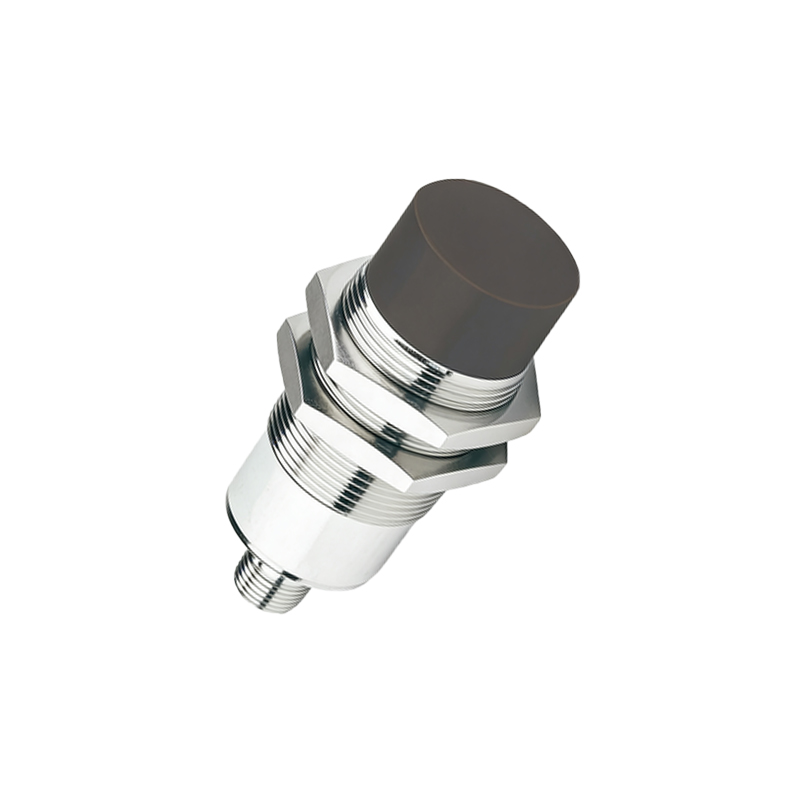
Several factors influence the detection frequency of metal proximity sensors. First, the sensor's operating principle plays a fundamental role. Inductive proximity sensors, the most common type for metal detection, generate an electromagnetic field. When a metal object enters this field, eddy currents are induced, causing a change in oscillation amplitude or frequency that triggers detection. The speed of this process depends on the sensor's internal oscillator circuit and signal processing capabilities. Typically, modern inductive sensors offer frequencies ranging from 10 Hz to 5 kHz, with specialized high-speed models exceeding 10 kHz.
Second, the characteristics of the target metal affect frequency. Ferrous materials (like iron or steel) are detected more easily due to their magnetic properties, often allowing higher frequencies. Non-ferrous metals (such as aluminum or copper) may require reduced frequencies or adjusted sensitivity settings, as they generate weaker eddy currents. The target's size, shape, and distance from the sensor (known as the sensing distance) also matter. Smaller or thinner targets, or those positioned at the edge of the sensing range, can lower effective detection frequency due to weaker signal responses.

Third, environmental conditions and sensor design impact performance. Electrical noise from nearby motors or frequency converters can interfere with signals, necessitating shielding or filtering that might limit frequency. Additionally, sensor housing materials and coil design influence response time. For example, shielded sensors have a narrower detection field but better noise immunity, while unshielded types offer wider ranges but may be prone to interference.
To optimize detection frequency in practical applications, engineers should consider the following:

1. Select the appropriate sensor type based on target material and required speed. High-frequency models are available for rapid detection tasks.
2. Ensure proper installation and alignment. The sensor should be positioned to minimize lateral movement or vibration of the target, which can cause false triggers or missed detections.
3. Adjust sensitivity settings carefully. Overly high sensitivity might increase noise susceptibility, reducing reliable frequency, while low sensitivity could miss small targets.
4. Account for temperature effects. Extreme temperatures can alter electronic component behavior, potentially lowering frequency; choose sensors with suitable temperature ratings.
5. Integrate with compatible controllers. The sensor's output signal (e.g., NPN/PNP) must match the input module of the PLC or system to avoid processing delays.
In summary, detection frequency is a vital specification that dictates how swiftly metal proximity sensors operate in automated environments. By understanding its technical underpinnings and optimizing setup, engineers can enhance system throughput and reliability. As Industry 4.0 advances, sensors with higher frequencies and smarter diagnostics will continue to drive efficiency in manufacturing and beyond.