The landscape of industrial automation and smart systems is undergoing a seismic shift, driven by groundbreaking advancements in proximity sensing technology. For electrical engineering professionals, this evolution represents not just a technical curiosity but a burgeoning frontier of career opportunity. The demand for expertise in designing, integrating, and maintaining next-generation proximity sensors has surged, creating a specialized and highly competitive recruitment market. This article explores the technological drivers behind this demand and outlines the key profiles that leading firms are actively seeking.
The core of this recruitment wave lies in the sensor technology itself. Modern proximity sensors have transcended their traditional inductive and capacitive limitations. Today, we see the rapid adoption of LiDAR (Light Detection and Ranging) for high-precision, long-range object detection in autonomous guided vehicles (AGVs) and robotic arms. Similarly, ultrasonic sensors are being refined for complex environments where factors like dust, moisture, or variable target materials challenge conventional units. Perhaps most transformative is the integration of IO-Link communication protocols, turning simple binary sensors into intelligent data points that provide diagnostic information, parameterization data, and process values directly to the control system. This shift from a "switch" to a "smart device" necessitates a new skill set.
Consequently, recruitment efforts are intensely focused on specific engineering archetypes. Firstly, Sensor Application Engineers are in high demand. These individuals bridge the gap between theoretical specifications and real-world performance. They must possess a deep understanding of sensor physics to select the correct technology—be it inductive, capacitive, photoelectric, ultrasonic, or LiDAR—for a given application, considering factors like sensing distance, target material, environmental conditions, and required output. Proficiency in simulation tools and hands-on testing is paramount.
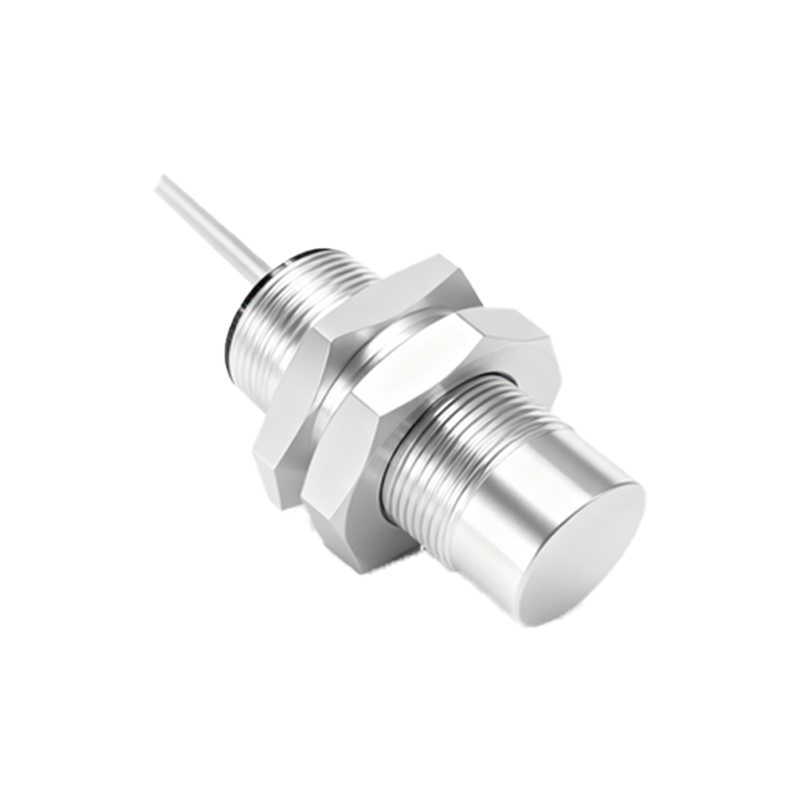
Secondly, the rise of Embedded Systems Engineers with a focus on sensing is unmistakable. As sensors become smarter, the firmware and embedded software that drive them grow in complexity. Professionals skilled in programming microcontrollers for low-power operation, implementing communication stacks like IO-Link or PROFINET, and developing algorithms for signal filtering and noise immunity are highly sought after. Experience with real-time operating systems (RTOS) and cybersecurity principles for industrial devices is a significant advantage.
Thirdly, Systems Integration Specialists play a crucial role. A state-of-the-art sensor is only as good as its connection to the broader ecosystem. These engineers excel at integrating sensor networks into PLC (Programmable Logic Controller) and SCADA (Supervisory Control and Data Acquisition) systems. They require strong knowledge of industrial networking protocols, fieldbus systems, and the ability to design robust electrical interfaces that ensure signal integrity in electrically noisy plant environments.
Beyond pure technical prowess, successful candidates in this niche demonstrate a hybrid mindset. They combine classical electrical engineering fundamentals with software acuity and a systems-thinking approach. Problem-solving skills are tested not just on the bench but in diagnosing intermittent faults in a live production line or optimizing a sensor array for maximum efficiency and minimal false triggers. Familiarity with Industry 4.0 concepts, the Industrial Internet of Things (IIoT), and data analytics platforms is increasingly becoming a standard expectation, as the data from these sensors feeds into predictive maintenance and digital twin models.
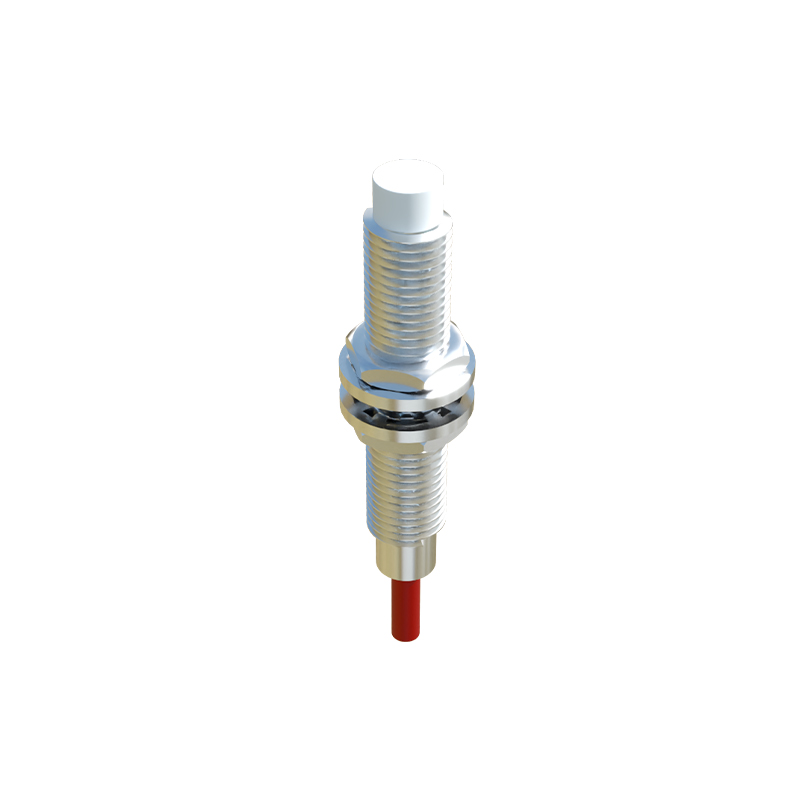
For employers, attracting this top talent requires more than competitive salaries. Engineers in this field are motivated by working on cutting-edge technology. Companies highlight their involvement in innovative projects—such as collaborative robotics, fully automated warehouses, or next-generation automotive assembly lines. Providing access to advanced development kits, supporting continuous education in emerging standards, and fostering a culture of technical excellence are key strategies in a tight recruitment market.
In conclusion, the revolution in proximity sensing is redrawing the map for electrical engineering careers. It is a field characterized by rapid innovation, where interdisciplinary knowledge converges. For the engineer passionate about the tangible intersection of hardware, software, and intelligent systems, specializing in proximity sensor technology offers a dynamic and future-proof career path. For companies, securing the right expertise is no longer a support function but a strategic imperative to harness the full potential of automation and data-driven manufacturing. The recruitment race is on, and it is centered on those who can translate subtle electromagnetic fields, light pulses, and sound waves into the reliable intelligence that drives modern industry forward.