Photoelectric proximity sensors are widely used in industrial automation, robotics, and safety systems due to their non-contact detection capability, high precision, and reliability. Understanding the structural composition of these sensors is essential for engineers and technicians to optimize their application, maintenance, and troubleshooting. This article delves into the key components that constitute a typical photoelectric proximity sensor, explaining their roles and interactions in detail.
At the core of a photoelectric proximity sensor lies the optical system, which primarily consists of a light emitter and a light receiver. The emitter is typically a light-emitting diode (LED) or a laser diode that generates a modulated infrared, visible, or ultraviolet light beam. Modulation is crucial as it helps the sensor distinguish its own light from ambient light, thereby enhancing noise immunity and detection accuracy. Common modulation techniques include pulse modulation and frequency modulation. The receiver, usually a phototransistor, photodiode, or a specialized integrated circuit like a position-sensitive device (PSD), captures the reflected or interrupted light signal. The choice of emitter and receiver depends on factors such as required sensing distance, response speed, and environmental conditions.
Surrounding the optical components is the housing or casing, designed to protect the internal electronics from physical damage, dust, moisture, and electromagnetic interference. Industrial-grade sensors often feature robust housings made from materials like stainless steel, nickel-plated brass, or engineering plastics such as PBT or PPS, ensuring durability in harsh environments. The housing also incorporates a lens or window, typically made of glass or optical-grade plastic, which focuses the emitted light beam and allows the reflected light to reach the receiver efficiently. Some advanced sensors use specialized lens designs to create precise sensing fields or patterns, such as focused spots, convergent beams, or background suppression profiles.
The electronic circuitry is another vital structural element, comprising the driver circuit for the emitter, the amplifier and filter circuit for the receiver, and the signal processing unit. The driver circuit regulates the current to the emitter, ensuring stable light output and often incorporating modulation control. The receiver circuit amplifies the weak electrical signal generated by the photodetector and filters out unwanted noise. The signal processing unit, which may include a microcontroller or application-specific integrated circuit (ASIC), analyzes the processed signal to determine the presence or absence of a target object. This unit also handles functions like sensitivity adjustment, response time configuration, and output switching.
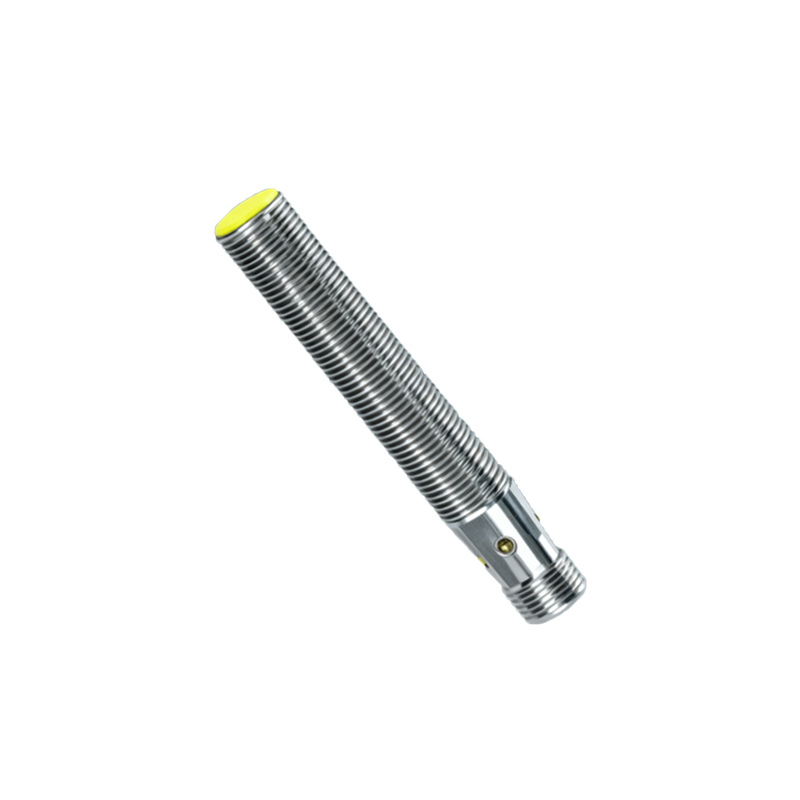
Output interfaces form the final structural segment, enabling the sensor to communicate with external control systems like PLCs, robots, or safety relays. Common output types include transistor outputs (NPN or PNP), analog outputs (0-10V or 4-20mA), and digital communication protocols (IO-Link, PROFIBUS, or Ethernet/IP). The output stage is often isolated from the sensor's internal circuitry to prevent electrical noise interference and enhance system safety. Additionally, many sensors feature status indicators, such as LEDs, that provide visual feedback on power supply, output state, and alignment quality, aiding in installation and diagnostics.
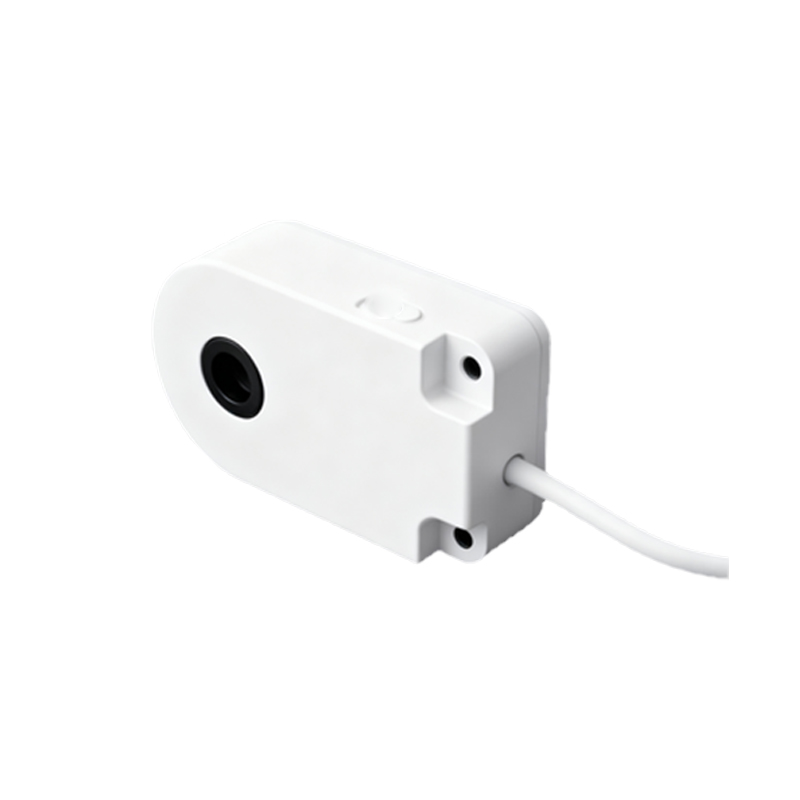
In terms of mounting and connectivity, photoelectric proximity sensors include mechanical features like threaded barrels, brackets, or flange mounts for easy installation. Electrical connections are facilitated through pre-wired cables, quick-disconnect connectors (e.g., M8 or M12 types), or terminal blocks, allowing for flexible integration into various industrial setups. Some sensors also incorporate alignment aids, such as through-beam alignment indicators or built-in potentiometers for fine-tuning, which streamline setup processes.
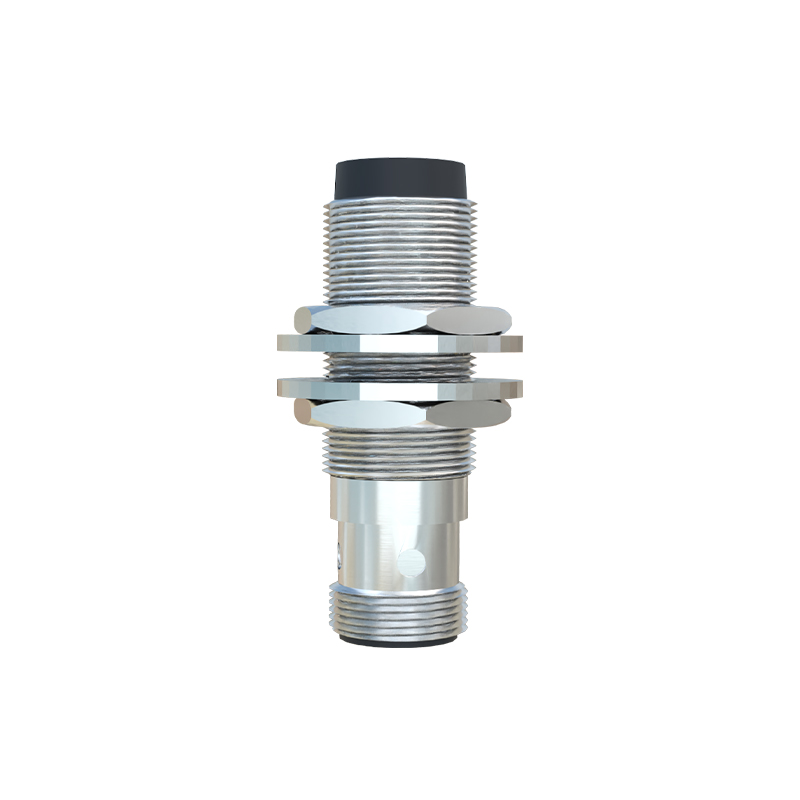
The structural design of a photoelectric proximity sensor directly influences its performance characteristics, including sensing range, repeatability, environmental resistance, and longevity. For instance, sensors with background suppression functionality use triangulation principles within their optical assembly to ignore objects beyond a set distance, making them ideal for precise positioning tasks. Similarly, polarized filters may be added to the optical path to reduce false triggers from reflective surfaces. Engineers must consider these structural aspects when selecting sensors for specific applications, such as packaging machinery, material handling, or automated assembly lines.
In summary, the photoelectric proximity sensor is a sophisticated device integrating optical, mechanical, and electronic components into a compact and robust package. Its structure is meticulously engineered to deliver reliable non-contact detection across diverse industrial scenarios. As technology advances, innovations in miniaturization, smart sensing, and connectivity continue to evolve sensor designs, further enhancing their capabilities and expanding their role in modern automation.