In the realm of industrial automation and control systems, proximity switch sensors are indispensable components for non-contact object detection. Their primary function is to detect the presence or absence of a target object without physical contact, but a crucial aspect of their operation lies in what they output—the electrical signal that communicates this detection to a controller like a PLC (Programmable Logic Controller). The output of a proximity sensor is not a simple on/off state; it is a defined electrical signal type that must be correctly matched to the input requirements of the receiving device. Understanding these output types is fundamental to designing reliable and efficient automated systems.
The most common classification of proximity sensor outputs is based on the technology of the internal switching element. The three predominant types are NPN, PNP, and Analog outputs.
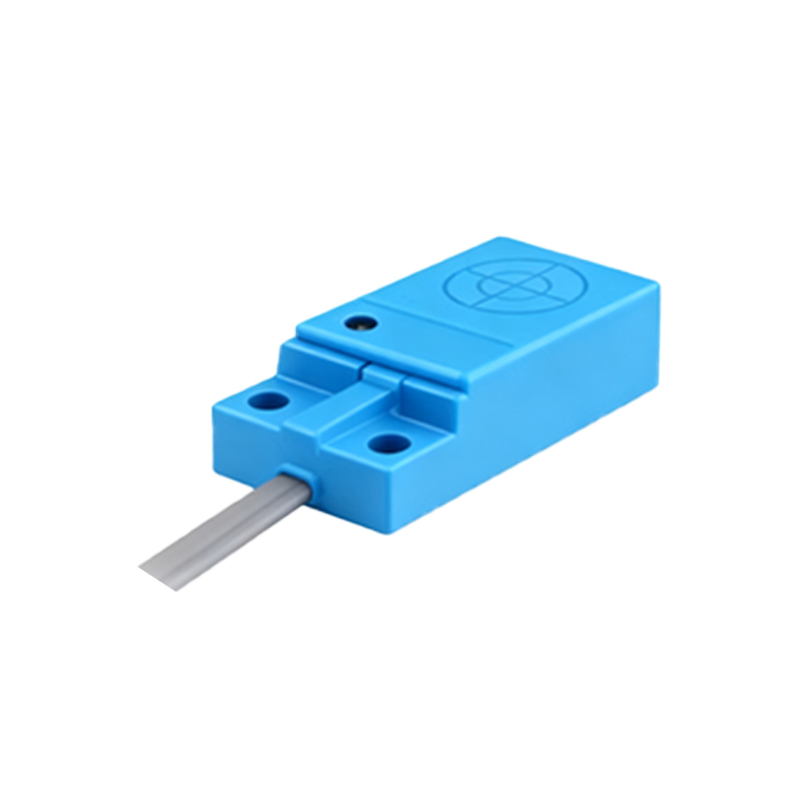
1. NPN Output (Sinking Output)
An NPN output sensor uses an NPN transistor as its switching element. In this configuration, when the sensor detects a target, the NPN transistor switches ON, connecting the output signal wire (usually the black wire) to the negative voltage supply (0V or common). This effectively "sinks" current from the load (e.g., a PLC input) to ground. The load must be connected between the positive voltage supply (+V, e.g., 24V DC) and the sensor's output wire. In simpler terms, the sensor provides a path to ground upon detection. NPN is often the standard in regions like Asia and is sometimes referred to as a "sinking" logic.
2. PNP Output (Sourcing Output)
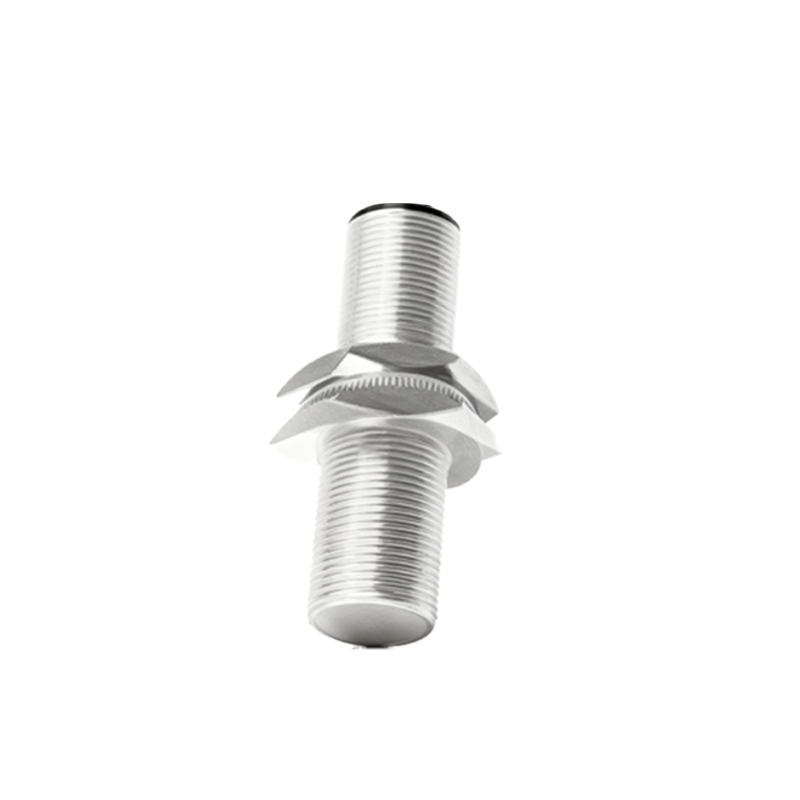
A PNP output sensor uses a PNP transistor. When activated, the transistor switches ON, connecting the output signal wire to the positive voltage supply (+V). This "sources" current from the sensor to the load. Here, the load is connected between the sensor's output wire and the negative supply (0V). Upon detection, the sensor provides the positive voltage. PNP is commonly used in Europe and North America and is known as a "sourcing" logic.
The choice between NPN and PNP is critical and depends entirely on the input circuit of the controller. Using an incorrect type will result in the system not functioning. Many modern PLCs offer configurable inputs that can accept either type.
3. Analog Output
Beyond simple digital (on/off) NPN/PNP outputs, many proximity sensors provide an analog output. Instead of a discrete signal, these sensors output a continuous voltage or current signal that is proportional to the measured distance or another parameter. Common analog standards include:
Voltage Output: Typically 0-10V DC. A voltage of 0V might represent no target in range, 10V represents the nominal sensing distance, and values in between indicate proportional distances.
Current Output: Most commonly 4-20mA. This is highly favored in industrial environments due to its inherent noise immunity and ability to indicate a fault (a current below 4mA can signify a broken wire or sensor failure). 4mA usually represents the zero condition (or start of range), and 20mA represents the full-scale condition.
Analog output sensors are used in applications requiring precision, such as monitoring position, thickness, or controlling servo mechanisms.
4. Complementary (NO/NC) and Push-Pull Outputs
Digital sensors are further specified by their switching logic: Normally Open (NO) or Normally Closed (NC). An NO sensor closes the switch (completes the circuit) upon detection, while an NC sensor opens the switch (breaks the circuit) upon detection. Some advanced sensors feature a "push-pull" or "complementary" output, which essentially provides both an NPN and a PNP output from the same device, offering greater wiring flexibility.
5. Specialized Outputs: IO-Link and Namur
For advanced Industry 4.0 applications, sensors with IO-Link digital communication outputs are becoming standard. IO-Link is a point-to-point serial communication protocol that allows for bidirectional data exchange. Beyond just a detection signal, an IO-Link proximity sensor can transmit detailed diagnostic data, parameter settings, and process values (like exact distance) to the controller, enabling predictive maintenance and advanced process control.
Namur sensors are a special type used primarily in hazardous (explosive) areas. They output a very low-current signal (typically a few mA) that is evaluated by an intrinsically safe barrier or isolator, which then provides a standard switching signal to the control system, ensuring safety.
In conclusion, the output of a proximity switch sensor is its language. Selecting the correct output type—be it NPN sinking, PNP sourcing, analog voltage/current, or a smart IO-Link signal—is as important as selecting the sensing range or housing material.