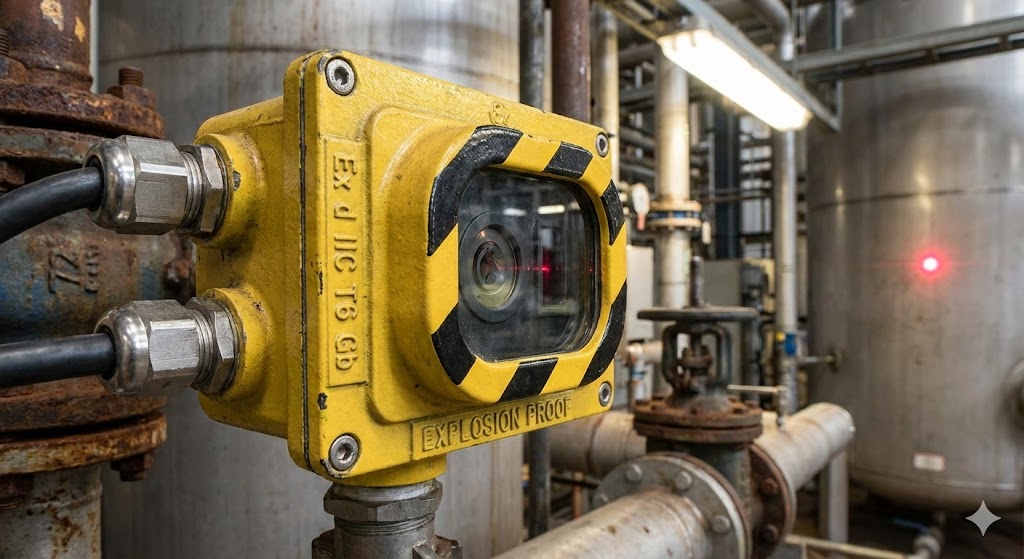
In the rapidly evolving landscape of industrial automation and precision measurement, the 5-meter laser sensor stands as a critical component, enabling high-accuracy, non-contact detection across a significant operational range. This guide delves into the technical principles, key applications, and selection criteria for these versatile devices, providing essential insights for engineers and system integrators.
At its core, a 5-meter laser sensor operates by emitting a focused beam of coherent light—typically from a laser diode—towards a target. The sensor then analyzes the reflected light. The most common technology for achieving measurements at this distance is laser triangulation. In this method, the emitted laser beam strikes the target, and the reflected light is focused onto a position-sensitive detector (PSD) or a CMOS/CCD array. The position of the light spot on the detector changes precisely with the target's distance. Sophisticated onboard electronics calculate the distance (up to 5 meters) based on this angular shift, providing a highly accurate digital or analog output. For time-of-flight (ToF) based laser sensors at this range, the distance is calculated by measuring the time delay between the emitted pulse and the received reflection.
The specification of a 5-meter range is not arbitrary; it fills a crucial niche in industrial settings. It bridges the gap between short-range sensors (sub-1 meter) used for ultra-high precision tasks and long-range sensors (10+ meters) used for large-scale positioning. This makes it ideal for applications where both reasonable standoff distance and good resolution are required. Key performance parameters for a 5-meter laser sensor include resolution (often in the micrometer to millimeter range at this distance), linearity, response speed, and the size of the laser spot. The spot size increases with distance due to divergence, which can affect measurement accuracy on uneven surfaces—a critical factor during sensor selection.
Applications for 5-meter laser sensors are vast and varied. In automated manufacturing, they are indispensable for precise dimensional gauging of large components, such as vehicle frames or aircraft panels, where contact measurement is impractical. They facilitate robot guidance, ensuring accurate pick-and-place operations or weld seam tracking from a safe distance. In logistics and warehousing, these sensors manage pallet profiling, height detection, and volume measurement systems. Furthermore, they play a vital role in construction for alignment and leveling tasks, and in agricultural automation for monitoring crop height or vehicle guidance.
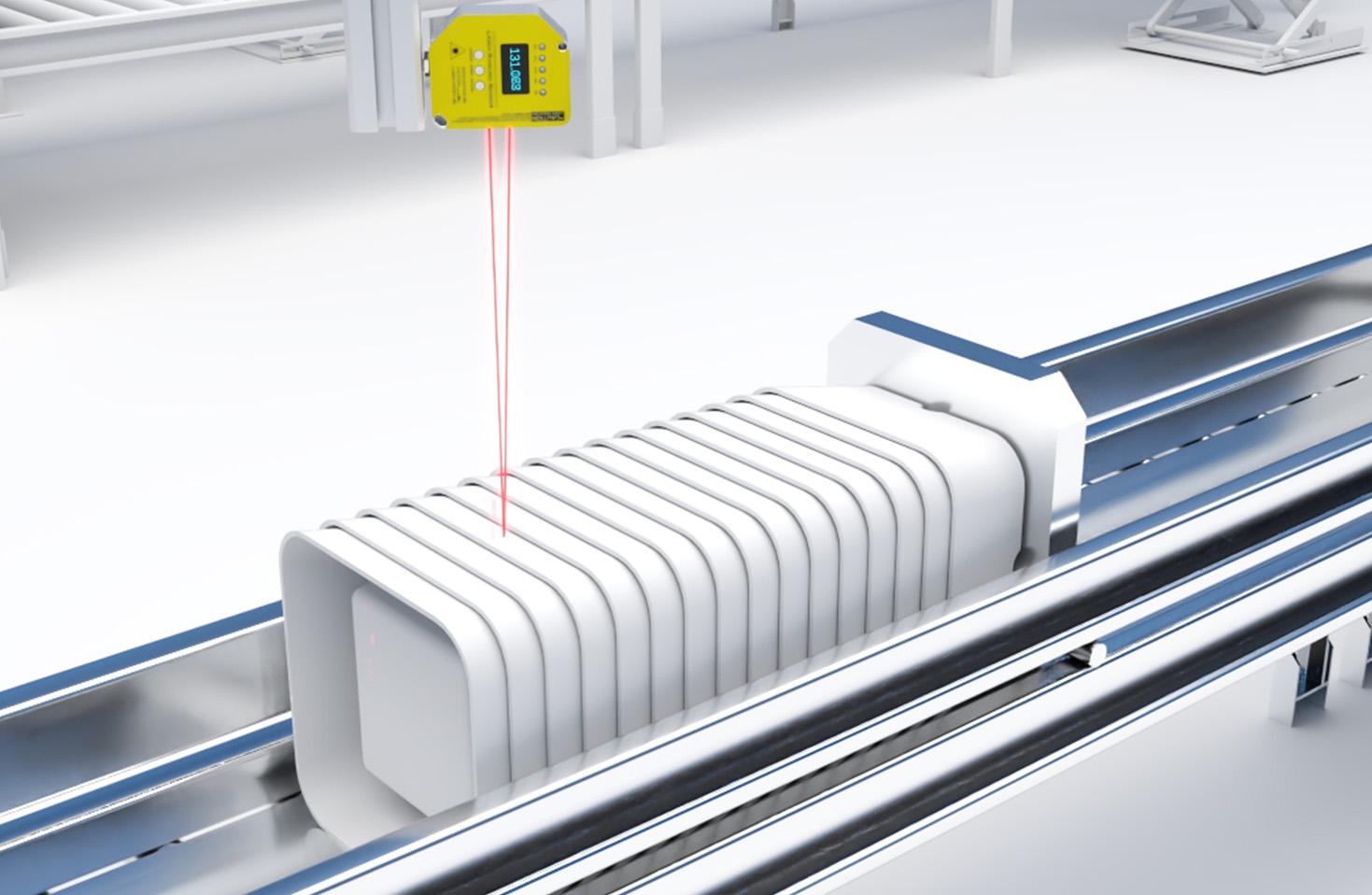
Selecting the right 5-meter laser sensor requires careful consideration of several factors beyond just the range. The target material and surface color significantly impact performance; dark, matte, or transparent surfaces absorb or scatter light, potentially reducing signal strength. In such cases, sensors with adjustable laser power or advanced filtering algorithms are preferable. The environmental conditions are paramount. Industrial environments often contain dust, moisture, vibration, and ambient light interference. Opting for sensors with robust IP67 or higher ingress protection ratings, metal housings, and specialized filters for ambient light rejection is essential for reliable operation. The required output interface (e.g., analog voltage/current, digital RS-422, Ethernet/IP, PROFINET) must be compatible with the existing control system. Finally, ease of configuration and the availability of intuitive software for parameter setting and diagnostics can greatly reduce integration time and maintenance efforts.
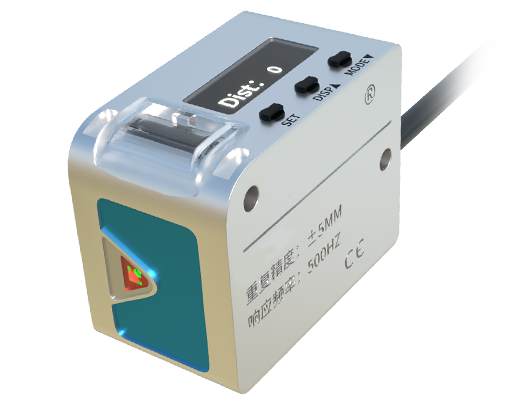
Installation and calibration are final, critical steps. Ensuring a stable mechanical mount to minimize vibration, aligning the sensor perpendicularly to the target surface for triangulation models, and setting the correct measurement window within the 5-meter range are fundamental. Regular calibration against a known reference is recommended to maintain long-term accuracy, especially in environments with large temperature fluctuations that can affect electronic components.
In conclusion, the 5-meter laser sensor is a powerful and flexible tool that solves complex measurement and detection challenges across numerous industries. By understanding its operating principles, meticulously evaluating application requirements against sensor specifications, and adhering to best practices for installation, engineers can leverage this technology to enhance system accuracy, efficiency, and reliability. As Industry 4.0 advances, the integration of these sensors with IoT platforms for predictive maintenance and data analytics will further solidify their role as a cornerstone of smart industrial systems.