In the rapidly evolving landscape of industrial automation and smart systems, proximity sensors have become ubiquitous. From assembly lines and robotic arms to consumer electronics and automotive safety systems, these devices play a critical role in non-contact detection. However, as their deployment scales globally, their collective energy consumption has emerged as a significant, yet often overlooked, concern. Promoting and implementing stringent energy efficiency standards for proximity sensors is no longer a forward-thinking ideal but a pressing technical and environmental imperative.
The core function of a proximity sensor—to detect the presence or absence of an object within a defined range without physical contact—inherently involves continuous or frequent energy use. While an individual sensor's power draw may seem negligible, typically ranging from milliwatts to a few watts, the cumulative impact is substantial. Consider a modern manufacturing facility employing thousands of such sensors, operating 24/7. The aggregate energy demand translates into significant operational costs and a larger carbon footprint. Furthermore, in battery-powered applications like IoT devices and portable electronics, inefficient sensors directly compromise battery life, leading to more frequent replacements or recharging, which in turn increases resource consumption and electronic waste.
Current industry practices often prioritize detection range, response time, and durability over energy efficiency. Many sensors operate on fixed, non-adaptive power settings, consuming maximum energy regardless of the actual detection requirements or environmental conditions. This represents a clear opportunity for optimization. The development and adoption of energy efficiency standards can drive innovation towards smarter, more adaptive sensor technologies. Key parameters for such standards should include:
1. Standby and Active Power Consumption: Defining maximum allowable power levels in both operational and low-power sleep or idle modes.
2. Adaptive Sensing Cycles: Encouraging designs that intelligently adjust sampling rates based on context, rather than operating at a fixed, potentially wasteful frequency.
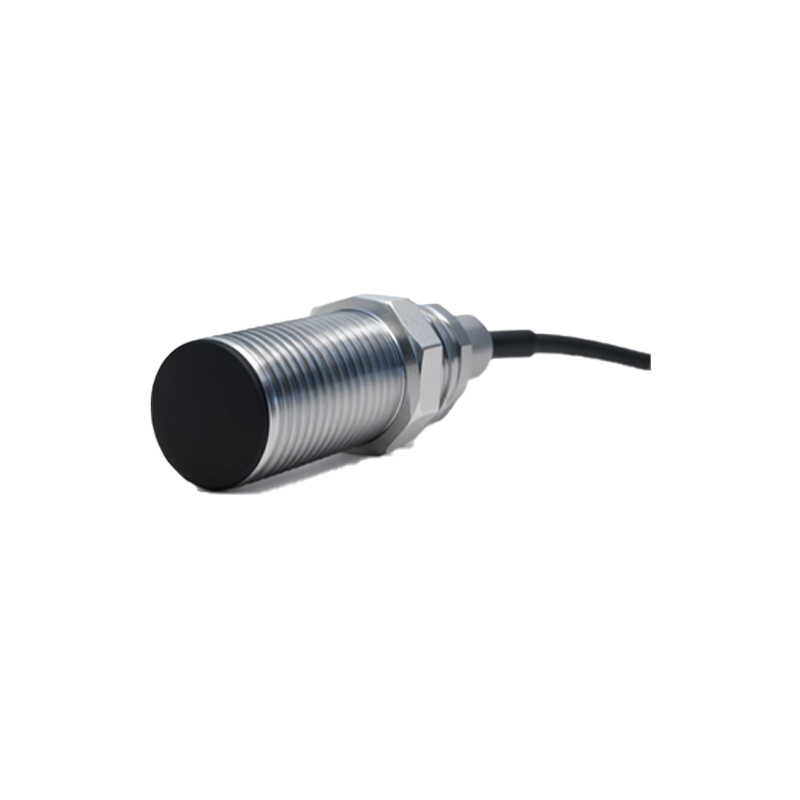
3. Circuit and Component Efficiency: Mandating the use of low-power semiconductors, efficient signal processing algorithms, and optimized coil designs for inductive sensors to minimize losses.
4. Communication Protocol Efficiency: For networked sensors, standards should favor low-power communication protocols like IO-Link with advanced power management features or other energy-aware industrial Ethernet variants.
Implementing these standards requires a multi-faceted approach. Firstly, international standards bodies like the International Electrotechnical Commission (IEC) and the International Organization for Standardization (ISO) must collaborate with industry consortia to develop clear, measurable, and tiered performance criteria. These criteria should be technology-agnostic where possible, applying to inductive, capacitive, ultrasonic, and photoelectric proximity sensors alike.
Secondly, manufacturers must be incentivized to redesign products. This can be driven by both regulation and market forces. Governmental regulations, similar to the Ecodesign Directive in the EU, can set mandatory minimum efficiency levels. Simultaneously, end-users—large industrial corporations—can demand certified, efficient components in their supply chains, creating a powerful market pull. Transparency through clear energy labeling on datasheets will empower engineers and procurement specialists to make informed decisions.
The technical challenges are non-trivial. Enhancing efficiency must not come at the expense of critical performance metrics. A sensor with a miserly power budget but poor noise immunity or reduced sensing distance is not a viable solution. Advanced techniques such as predictive maintenance algorithms integrated with sensing can optimize operation further. For instance, a sensor monitoring a machine known to have a specific cycle time could enter deep sleep between expected object passes.
The benefits of widespread adoption are compelling. For end-users, the direct benefit is reduced electricity costs and lower cooling loads in control panels. For system integrators, it enables the design of more compact, self-sustaining systems, particularly in mobile or remote applications. For the environment, it contributes to global efforts in reducing greenhouse gas emissions associated with power generation. Moreover, efficient sensors align perfectly with the principles of Industry 4.0 and sustainable manufacturing, where data-driven optimization extends to energy resource management.
In conclusion, the journey toward universal energy efficiency standards for proximity sensors is a necessary evolution. It calls for concerted effort from standards organizations, sensor manufacturers, system integrators, and end-users. By embedding efficiency into the DNA of sensor design, we can ensure that the automation enabling our modern world advances in a manner that is not only smarter and more productive but also fundamentally more sustainable. The technology exists; it is now a matter of will, collaboration, and standardizing our path forward.