Proximity sensors have become indispensable components in industrial automation, offering non-contact detection capabilities that enhance efficiency, reliability, and safety. These sensors detect the presence or absence of objects within a specified range without physical contact, making them ideal for harsh environments where mechanical wear, contamination, or high-speed operations are concerns. Common types include inductive, capacitive, ultrasonic, and magnetic proximity sensors, each suited to specific applications based on material properties, environmental conditions, and detection requirements.
In manufacturing, inductive proximity sensors are widely used for metal object detection. They generate an electromagnetic field to sense ferrous and non-ferrous metals, enabling precise positioning of machine parts, conveyor belt monitoring, and robotic arm control. For instance, in automotive assembly lines, these sensors ensure components like engine blocks or chassis are correctly aligned before welding or fastening, reducing errors and downtime. Their robustness against dust, oil, and vibration makes them reliable in heavy-duty settings.
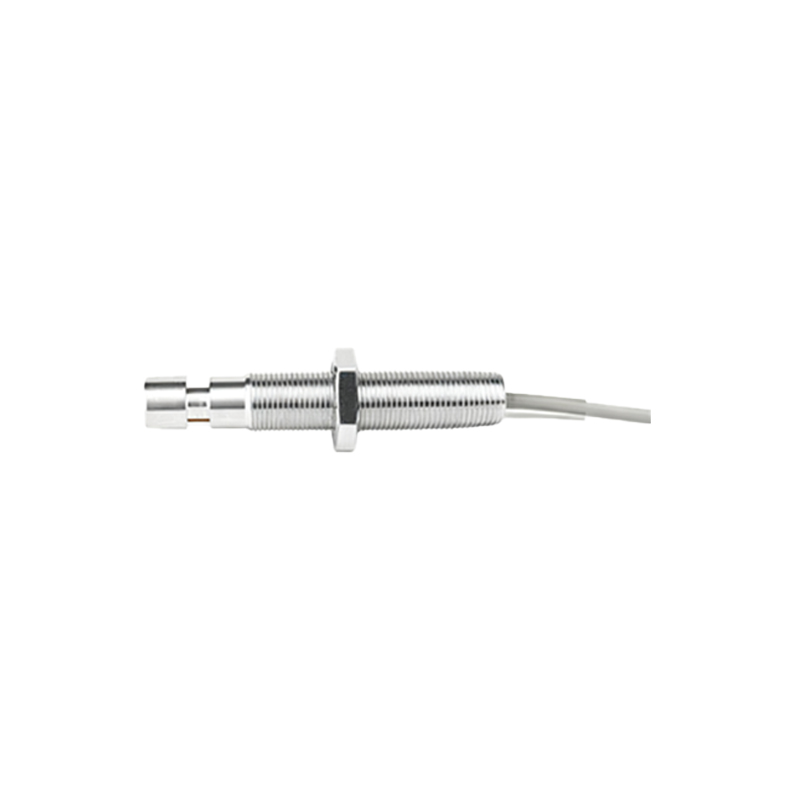
Capacitive proximity sensors, capable of detecting both metallic and non-metallic materials such as plastics, liquids, or wood, find applications in packaging and food processing industries. They monitor fill levels in containers, detect material presence on production lines, or ensure proper sealing of packages. In pharmaceutical manufacturing, capacitive sensors verify the presence of labels or caps on bottles, maintaining quality control without direct contact that could cause contamination.
Ultrasonic proximity sensors use sound waves to measure distance and detect objects, even in transparent or reflective surfaces. They are prevalent in logistics and warehousing for palletizing, inventory management, and collision avoidance in automated guided vehicles (AGVs). By providing accurate range data, these sensors optimize space utilization and streamline material handling processes. In addition, they perform well in environments with airborne particles or varying lighting conditions, where optical sensors might fail.
Magnetic proximity sensors, often employed for detecting permanent magnets, are essential in safety systems and position sensing. They activate switches in door interlocks, elevator controls, or hydraulic cylinders, ensuring machinery operates only when secure. In renewable energy sectors like wind turbines, magnetic sensors monitor blade position and speed, contributing to efficient power generation and maintenance scheduling.
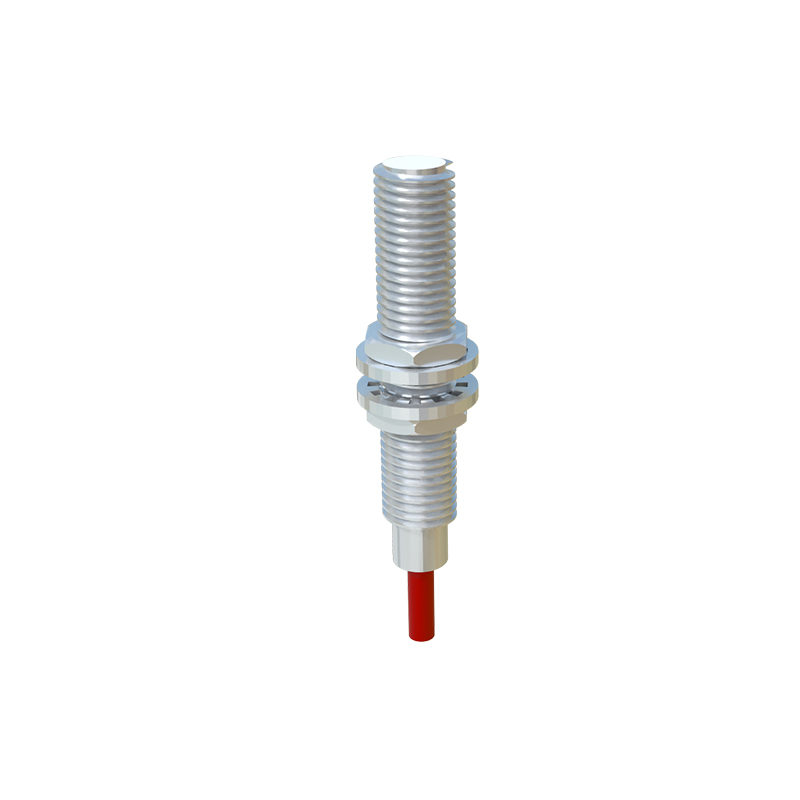
The integration of proximity sensors with Industrial Internet of Things (IIoT) platforms has further expanded their utility. Smart sensors equipped with connectivity features transmit real-time data to supervisory control and data acquisition (SCADA) systems, enabling predictive maintenance and adaptive manufacturing. For example, by analyzing sensor output trends, engineers can anticipate wear in conveyor belts or tooling, scheduling repairs before failures occur. This data-driven approach minimizes unplanned outages and extends equipment lifespan.
Despite their advantages, selecting the right proximity sensor requires careful consideration of factors like sensing range, response time, environmental tolerances, and cost. Inductive sensors may not detect non-metallic objects, while capacitive sensors can be affected by humidity or temperature fluctuations. Regular calibration and shielding from electromagnetic interference are necessary to maintain accuracy.
In conclusion, proximity sensors play a critical role in advancing industrial automation by enabling precise, contactless detection across diverse applications. As technology evolves, innovations in miniaturization, energy efficiency, and AI-enhanced diagnostics will continue to drive their adoption, supporting smarter and more resilient manufacturing ecosystems.