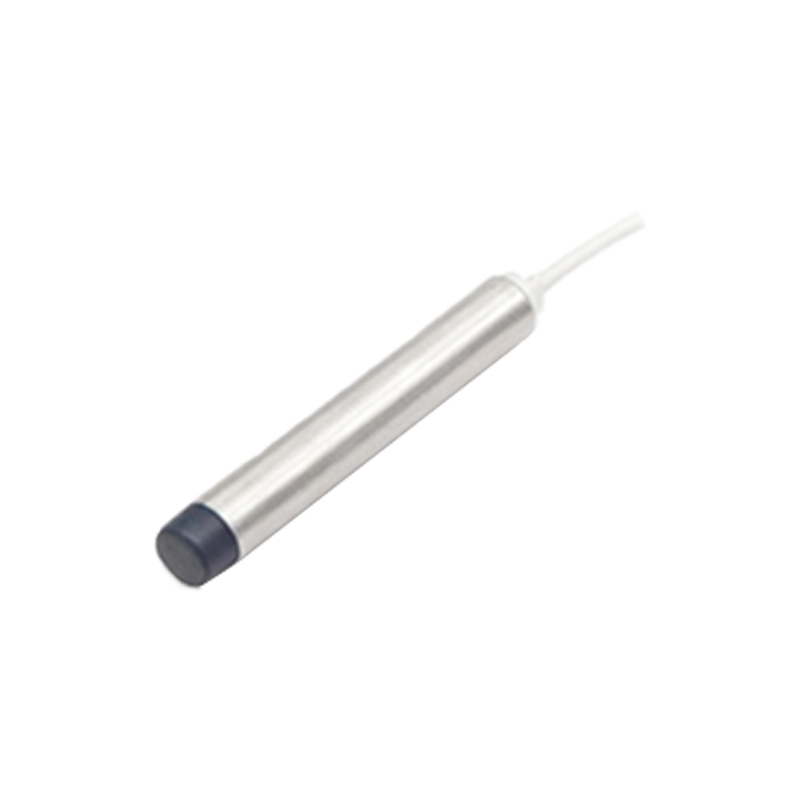
In the realm of industrial automation and precise motion control, Hall Effect proximity sensors stand as a cornerstone technology. These non-contact devices, which detect the presence or absence of a magnetic field, are fundamental components in countless applications, from automotive systems to consumer electronics. The manufacturing landscape for these sensors is defined by a blend of advanced material science, sophisticated semiconductor fabrication, and stringent quality assurance protocols. Leading manufacturers in this sector are not merely component suppliers; they are technology partners driving innovation in sensing solutions.
The core of a Hall Effect proximity sensor is the Hall element, a thin semiconductor plate. High-volume production of these elements requires state-of-the-art cleanroom facilities. The process begins with high-purity semiconductor wafers, typically silicon or gallium arsenide. Through photolithography, ion implantation, and precise etching, the active Hall region is defined. Doping levels and geometric symmetry are critically controlled to optimize sensitivity, offset voltage, and temperature stability. Post-fabrication, the wafers are diced into individual chips, each representing the heart of a future sensor.
Packaging is where the chip is transformed into a robust industrial component. Manufacturers employ various package types, such as TO-92, SOT-23, or surface-mount packages, depending on the target application's size and environmental requirements. The Hall chip is mounted onto a lead frame, wire-bonded with fine gold or aluminum wires, and then encapsulated in a molded plastic compound. This encapsulation must provide mechanical protection, thermal stability, and resistance to moisture and chemicals. For high-reliability markets like automotive (AEC-Q100 qualified) or aerospace, the packaging process undergoes even more rigorous testing and material selection.
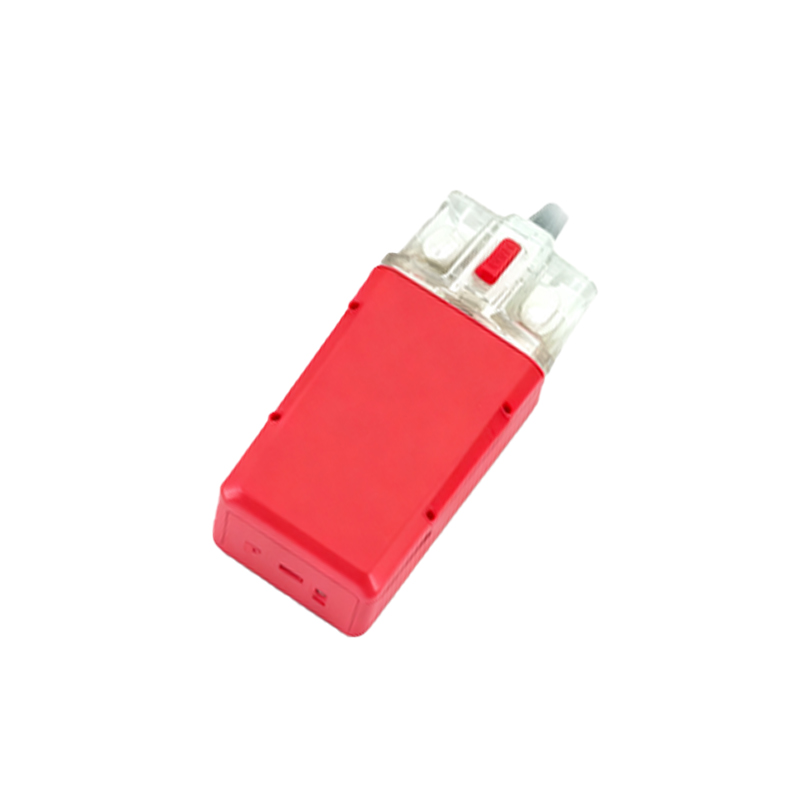
Calibration and programming are critical differentiators among top-tier manufacturers. After assembly, each sensor is subjected to automated test equipment (ATE) that applies controlled magnetic fields across a range of temperatures. Key parameters—such as operate point, release point, hysteresis, and output switching characteristics—are measured and, in the case of programmable sensors, digitally trimmed to meet exact specifications. This end-of-line calibration ensures consistency and performance that raw components cannot guarantee. Advanced factories utilize machine learning algorithms on test data to predict yield and fine-tune upstream processes.
The application spectrum dictates specialized product lines. For rotary encoding and speed sensing in automotive crankshaft or camshaft position detection, manufacturers produce sensors with high magnetic sensitivity and superior signal-to-noise ratios. In industrial automation, sensors designed for cylinder position feedback or conveyor belt object counting prioritize ruggedness, wide temperature ranges (-40°C to 150°C is common), and immunity to electrical noise. The rise of Industry 4.0 has further pushed manufacturers to integrate digital interfaces (like IO-Link) directly into sensor packages, enabling predictive maintenance and real-time diagnostics.
Key global players, such as Allegro MicroSystems, Infineon Technologies, Honeywell, and TDK-Micronas, dominate the market through continuous R&D. Their expertise lies not only in sensor IC design but also in providing application-specific solutions, including custom magnetic bias designs and application notes. They maintain extensive quality management systems, often certified to IATF 16949 for automotive, ensuring traceability from wafer lot to shipped unit.
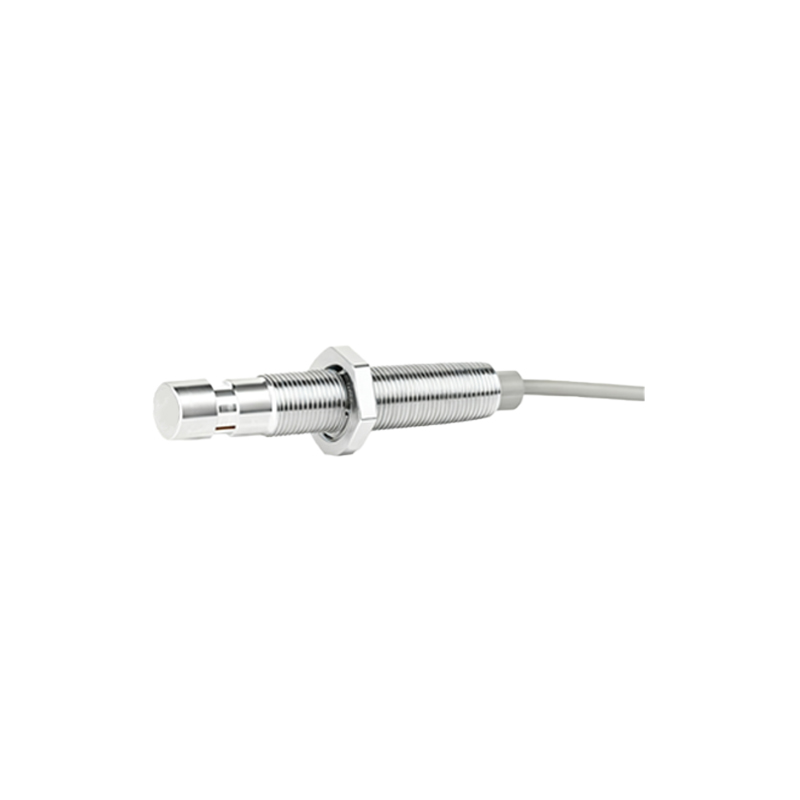
Looking forward, manufacturing trends are focusing on miniaturization, higher integration, and improved energy efficiency. The development of 3D Hall sensors, which can detect magnetic field direction, is opening new avenues in angular sensing. Furthermore, the integration of Hall elements with signal conditioning, protection circuits, and communication protocols into single-system-on-chip (SoC) packages is simplifying design-in for customers. As electric vehicles, robotics, and smart factories proliferate, the demand for reliable, precise, and intelligent Hall Effect proximity sensors will only intensify, keeping manufacturers at the forefront of electromechanical innovation.