Proximity sensors are indispensable components in modern industrial automation, enabling non-contact detection of objects within a specified range without physical interaction. These sensors enhance efficiency, reliability, and safety in various applications, from manufacturing lines to robotics. This article explores the primary types of proximity sensors and their distinct characteristics, providing insights for engineers and technicians in the electrical and automation fields.
The most common types of proximity sensors include inductive, capacitive, ultrasonic, and photoelectric sensors. Each type operates on different principles, making them suitable for specific environments and materials.
Inductive proximity sensors are widely used for detecting metallic objects. They generate an electromagnetic field and sense changes caused by conductive materials. Key characteristics include high precision, durability in harsh conditions, and insensitivity to non-metallic substances. Typical sensing ranges vary from a few millimeters to about 60 millimeters, with response times in microseconds. These sensors are ideal for metal detection in machinery, such as counting parts or monitoring positions in assembly lines.
Capacitive proximity sensors can detect both metallic and non-metallic materials, including liquids, plastics, and wood. They work by measuring changes in capacitance when an object enters their electrostatic field. Characteristics include versatility in material detection, sensitivity adjustment capabilities, and susceptibility to environmental factors like humidity. Sensing ranges generally extend up to 40 millimeters. Applications involve level detection in tanks, material handling, and packaging industries where diverse materials are present.
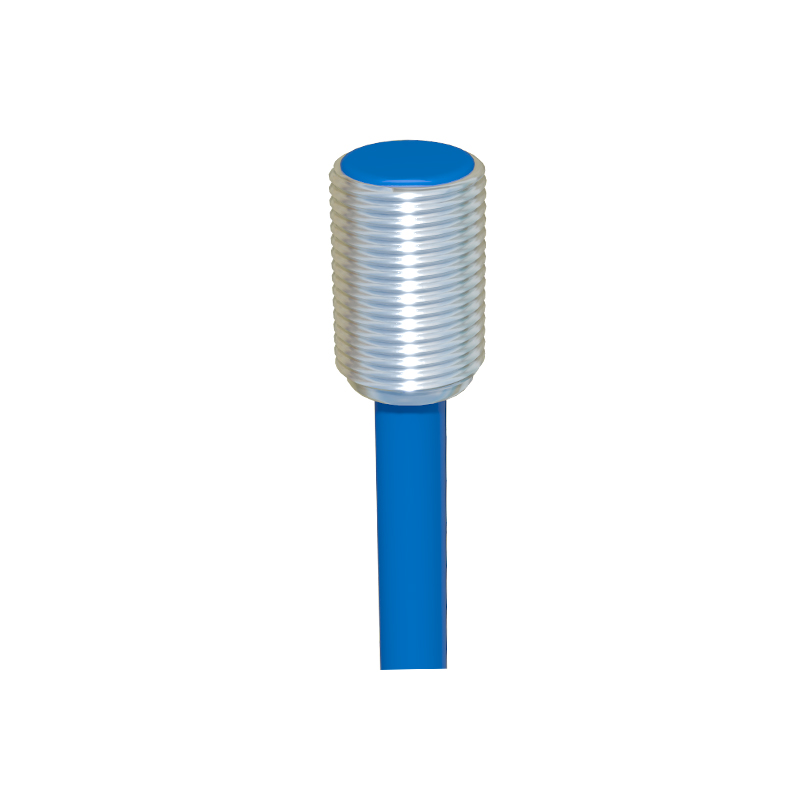
Ultrasonic proximity sensors utilize sound waves beyond human hearing to detect objects. They emit ultrasonic pulses and measure the time taken for echoes to return. Characteristics include long sensing ranges (up to several meters), effectiveness in challenging environments (e.g., dust, fog), and ability to detect transparent or colored objects. However, they may be affected by temperature variations and soft materials that absorb sound. Common uses include distance measurement, obstacle detection in automated guided vehicles (AGVs), and liquid level monitoring.
Photoelectric proximity sensors employ light beams, typically infrared or laser, to sense objects. They consist of an emitter and a receiver, detecting interruptions or reflections of light. Characteristics include high speed, long-range capabilities (up to tens of meters), and precision in detecting small objects. They are sensitive to environmental interferences like ambient light or dirt. Types include through-beam, retro-reflective, and diffuse sensors, each suited for different setups, such as conveyor belt monitoring, object counting, and safety barriers.
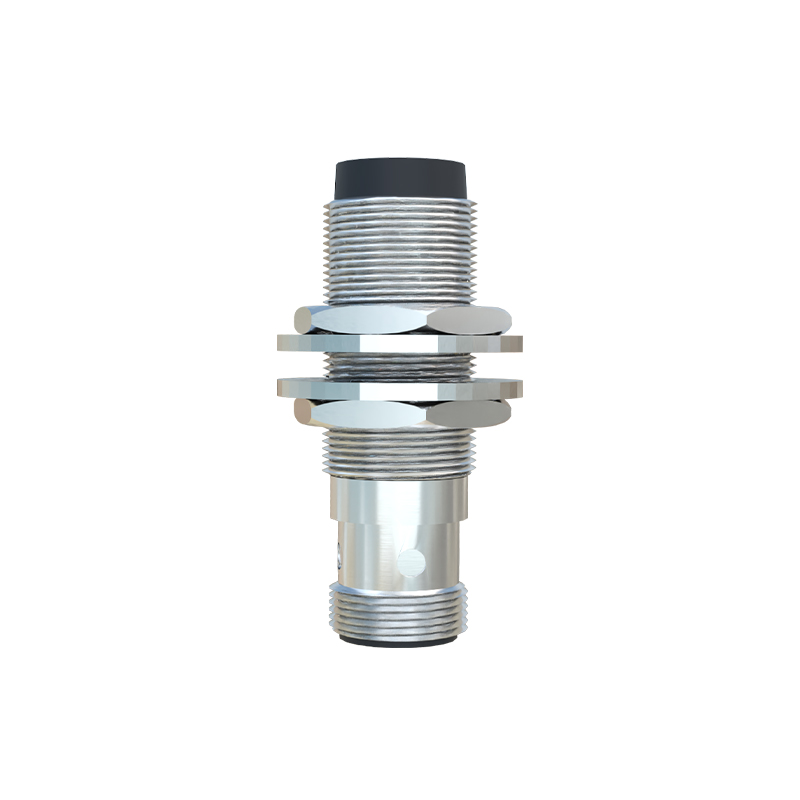
When selecting a proximity sensor, engineers must consider factors like target material, sensing distance, environmental conditions (e.g., temperature, contaminants), and required response time. Inductive sensors excel in metal detection, capacitive sensors offer material versatility, ultrasonic sensors provide long-range and robustness, and photoelectric sensors ensure speed and accuracy.
In summary, proximity sensors play a critical role in automation by enabling efficient, contactless operation. Understanding their types and characteristics helps optimize system design, reduce downtime, and improve productivity. As technology advances, innovations like smart sensors with IoT connectivity are emerging, further enhancing industrial applications.