In the rapidly evolving landscape of industrial automation and IoT, miniature proximity sensors have become indispensable components. Their compact size, high reliability, and non-contact detection capabilities make them ideal for applications where space is at a premium and precision is paramount. This article delves into the technical aspects of these sensors, with a particular focus on the value and interpretation of high-definition (HD) images in their selection, integration, and troubleshooting processes.
High-definition imaging provides an unprecedented level of detail that standard product photos cannot match. For an engineer specifying a sensor, an HD image reveals critical physical attributes. One can clearly examine the housing material—be it nickel-plated brass, stainless steel, or PBT plastic—and assess its suitability for harsh environments involving coolants, oils, or washdowns. The lens quality and surface finish are visible, indicating potential resistance to dust accumulation or scratching. The exact dimensions of the sensing face, body, and connector are discernible, allowing for precise verification against mechanical drawings in CAD software, preventing costly fitment errors during machine assembly.
Furthermore, HD images are instrumental in identifying the sensor type. Inductive proximity sensors, designed for metal detection, often have a distinctive metallic sensing face. A crisp image shows if it's a shielded (flush-mountable) or unshielded design, a key factor in installation. For capacitive sensors, used for non-metallic material detection, the image might show a larger sensing area or different electrode patterns. Photoelectric sensors, another category of proximity devices, have clearly visible lenses for emitter and receiver. An HD image can distinguish between diffuse, retro-reflective, and through-beam models based on the housing design and lens arrangement.
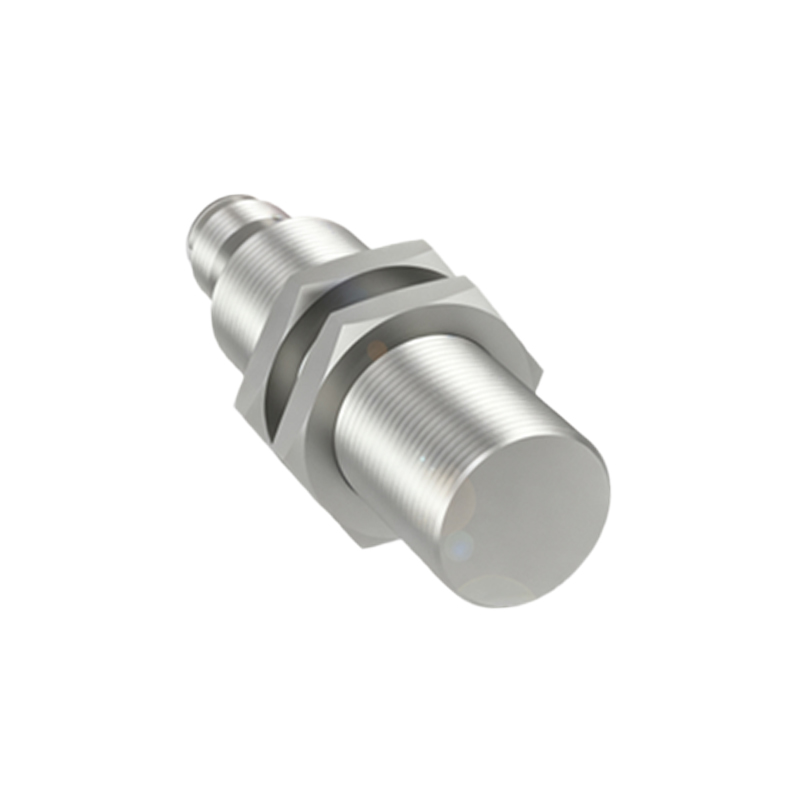
The internal construction, often revealed in cut-away or cross-sectional HD images, is a treasure trove of information. Engineers can observe the coil winding in inductive sensors, the oscillator circuit placement, and the quality of potting material used for protection against vibration and shock. The arrangement of the LED status indicator relative to the sensing element becomes clear, aiding in alignment during installation. For sensors with IO-Link or other smart communication capabilities, HD images of the connector pinouts and labeling are essential for correct wiring and network integration.
From an application perspective, analyzing HD images of sensors installed in real-world scenarios is highly educational. They show best practices for mounting, such as maintaining the proper gap from metal surfaces for shielded inductive sensors, or the optimal angle for photoelectric sensors to avoid background interference. Images can highlight common pitfalls: a sensor mounted too close to a welding seam causing temperature-related drift, or one installed where metal chips could accumulate on the face, leading to false triggering.
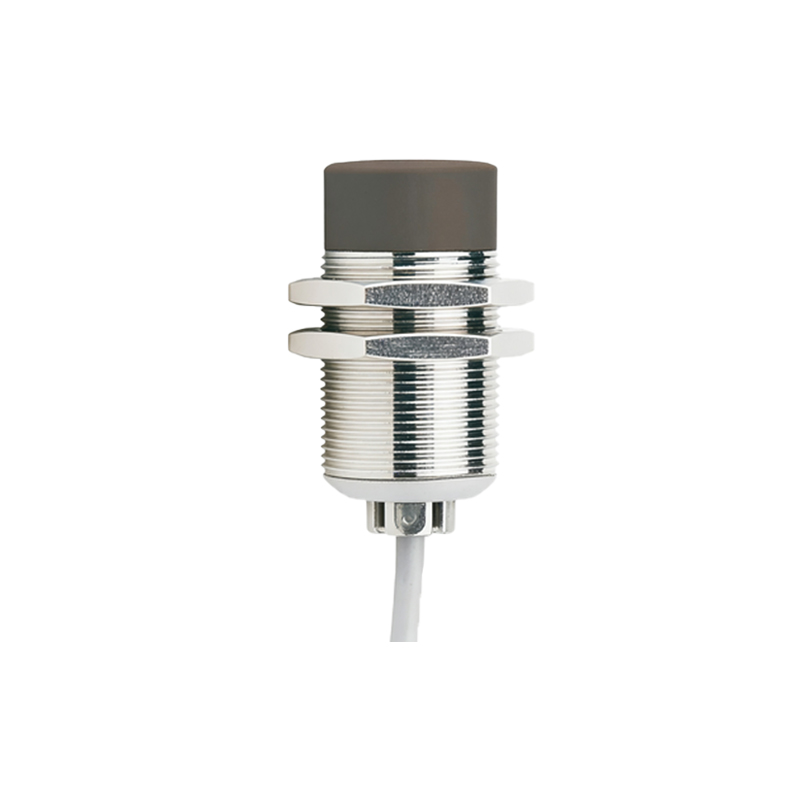
For maintenance and diagnostics, HD imaging plays a crucial role. Comparison between a high-resolution image of a new sensor and one from the field can reveal subtle damage—hairline cracks in the housing, corrosion on the threads, or clouding of the lens—that might explain intermittent failures. Thermal images, another form of HD data, can show abnormal heating in a sensor circuit, pointing to overcurrent or internal component failure.
In conclusion, high-definition images are far more than marketing tools for miniature proximity sensors. They are vital engineering documents that facilitate informed component selection, ensure correct installation, and enable effective troubleshooting. As sensors continue to shrink in size while growing in capability, the clarity provided by HD imagery will remain essential for engineers to harness their full potential, ensuring robustness and efficiency in automated systems across manufacturing, packaging, robotics, and beyond. Always consult the manufacturer's highest-resolution datasheets and technical drawings for the most accurate visual information.