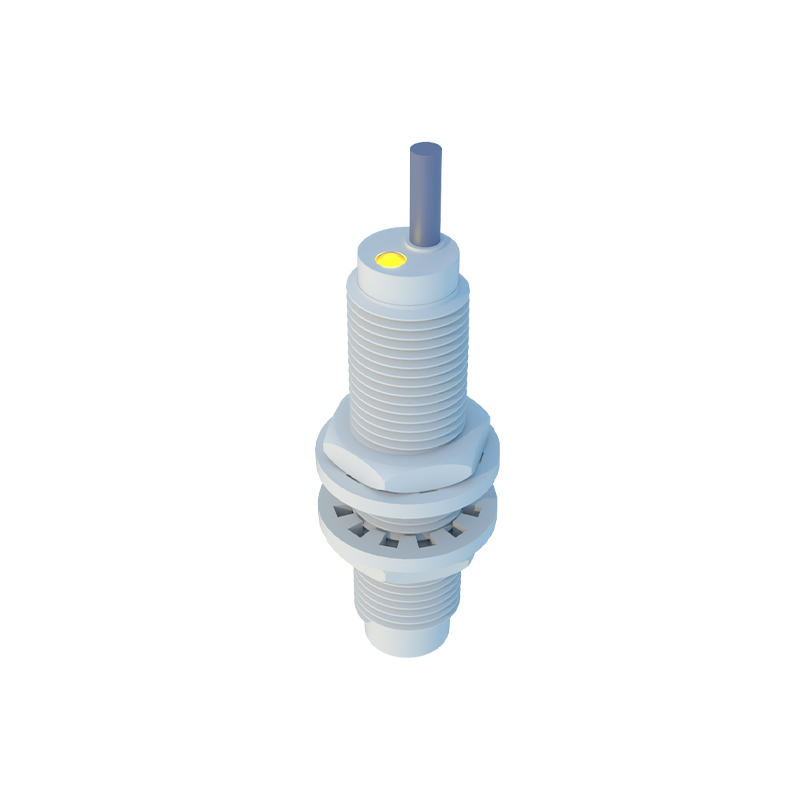
In the realm of industrial automation and control systems, proximity switch sensors are indispensable components for non-contact detection of objects. While the internal electronics and sensing element are the core of its functionality, the plastic housing plays a critically underappreciated role. It is the first line of defense, determining the sensor's longevity, reliability, and suitability for diverse, often harsh, operating environments. This article delves into the engineering considerations behind the plastic housing for proximity switch sensors, focusing on material science, design imperatives, and application-specific requirements.
The selection of the polymer material is the foundational decision in housing design. It is a complex trade-off between mechanical properties, chemical resistance, thermal stability, and cost. For standard industrial applications, polyamide (PA, commonly known as Nylon) is a prevalent choice. Grades like PA6 and PA66 offer an excellent balance of toughness, wear resistance, and good performance across a moderate temperature range. Their inherent slight hygroscopicity is often mitigated through specific compounding. Where higher thermal resistance is required, such as in near-welding applications or foundries, polyphenylene sulfide (PPS) or polyetheretherketone (PEEK) are employed. These high-performance thermoplastics can withstand continuous exposure to temperatures exceeding 200°C while maintaining superb dimensional stability and chemical inertness, albeit at a significantly higher cost.
For environments with frequent exposure to aggressive chemicals, coolants, or cleaning agents, the material choice shifts towards polymers with high chemical resistance. Polypropylene (PP) and polyvinylidene fluoride (PVDF) are excellent candidates. PVDF, in particular, exhibits outstanding resistance to halogens, acids, and solvents, making it ideal for chemical processing and pharmaceutical industries. Another critical consideration is food and beverage or washdown areas, where regulations mandate specific materials. Here, housings made from FDA-compliant polycarbonate (PC) blends or specific grades of polyester (PBT) are used, as they resist corrosion from caustic cleaners and prevent contamination.
The design of the housing is far more than an aesthetic shell; it is an exercise in functional integration and environmental sealing. A primary design goal is achieving a high Ingress Protection (IP) rating, typically IP67 or IP69K. IP67 guarantees protection against temporary immersion in water, while IP69K signifies protection against high-pressure, high-temperature jet washing. Achieving these ratings involves meticulous design of the seal between the housing and the sensing face, often using laser-welded diaphragms or precision-molded elastomeric gaskets. The cable entry point, whether a fixed cable or a connector variant, is another critical sealing zone, commonly secured with compression glands or molded cable overmolds.
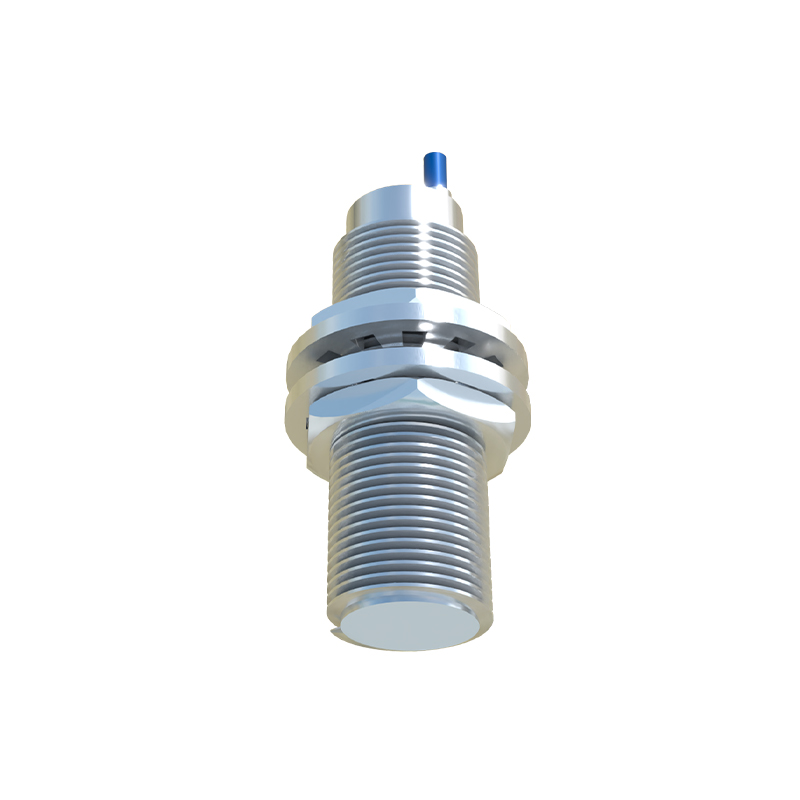
Mechanical design must account for installation stresses, vibration, and potential impact. Features like robust mounting threads, integrated wrench flats, and strategic ribbing for structural reinforcement are standard. The housing shape also influences sensing performance. For shielded (flush-mountable) sensors, the housing is designed to allow the magnetic or electromagnetic field to emerge only from the front face, enabling installation flush with metal surfaces without causing interference. Unshielded (non-flush) sensor housings allow a larger sensing field, which extends laterally, but require a non-metallic surround for proper operation.
Furthermore, the housing must facilitate the embedding of status indicators, typically LEDs. This requires transparent or translucent sections in the plastic, which must be molded with optical clarity and color fastness. The choice of pigment for the housing is not merely for color coding (e.g., blue for inductive sensors); it must also provide UV stability for outdoor applications to prevent degradation and fading from sunlight exposure.
In application, the right housing makes the difference between persistent failure and years of trouble-free service. In automotive manufacturing, sensors with PPS housings resist heat and oil mist on engine assembly lines. In material handling, sensors with rugged PA housings withstand physical abrasion from packages and dust. In food packaging, sensors with smooth, crevice-free, FDA-compliant housings allow for easy cleaning and prevent bacterial growth.
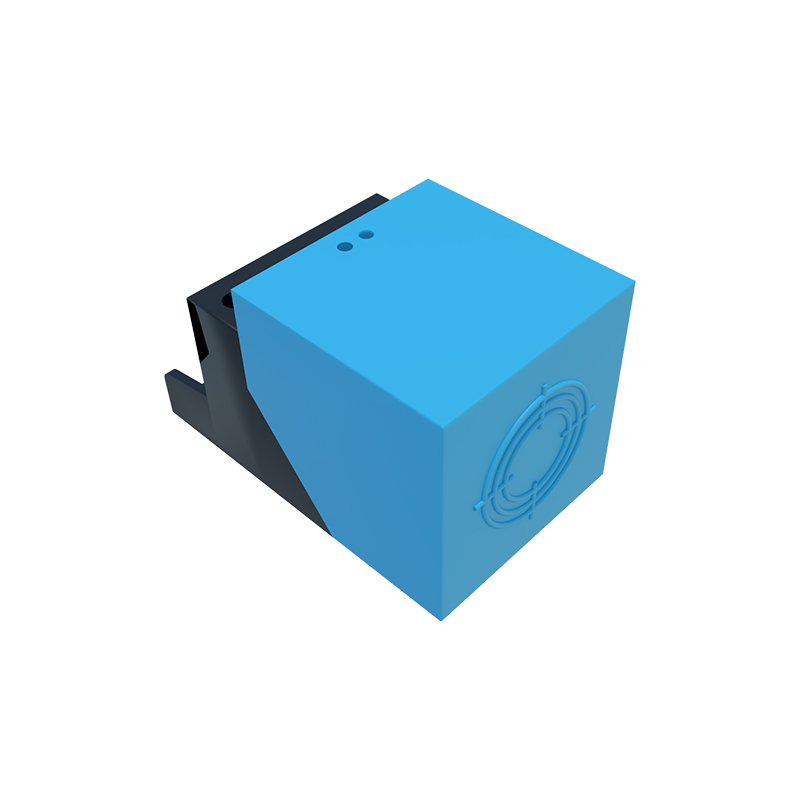
In conclusion, the plastic housing of a proximity switch sensor is a sophisticated component born from rigorous engineering. It embodies a synthesis of advanced polymer technology, precision molding, and application-specific design. Specifying a sensor involves not just checking its sensing range and output type, but also critically evaluating its housing material and protection rating against the actual environmental challenges it will face. Ignoring this aspect can compromise the entire control system's integrity, leading to downtime and increased lifecycle costs. The humble housing, therefore, is a testament to the principle that in industrial components, durability and reliability are always built from the outside in.