In the realm of modern electrical engineering and smart home automation, garage proximity sensors have emerged as critical components that enhance safety, convenience, and efficiency. These sensors, often integrated into garage door systems, play a pivotal role in detecting the presence of objects or individuals within a designated range, thereby preventing accidents and optimizing operational workflows. As an experienced electrical engineer, I will delve into the technical aspects, applications, and benefits of these sensors, providing insights into their functionality and industry relevance.
Garage proximity sensors operate on various principles, including infrared (IR), ultrasonic, and microwave technologies. Infrared sensors, for instance, emit IR beams to detect obstacles by measuring reflected light, while ultrasonic sensors use sound waves to gauge distance based on echo time. Microwave sensors, on the other hand, rely on electromagnetic waves for detection, offering higher accuracy in diverse environmental conditions. Each type has its advantages: IR sensors are cost-effective and suitable for short-range applications, ultrasonic sensors excel in detecting non-metallic objects, and microwave sensors provide robust performance in adverse weather. The choice of sensor depends on factors such as installation environment, budget, and specific safety requirements.
From a technical standpoint, these sensors are designed to interface seamlessly with garage door openers and control systems. They typically consist of a transmitter and a receiver unit, mounted on opposite sides of the garage door opening. When an object interrupts the sensor beam, the system triggers an immediate halt or reversal of the door's movement, preventing potential collisions or entrapment. This fail-safe mechanism is crucial for compliance with safety standards, such as those set by Underwriters Laboratories (UL) in the United States, which mandate the use of sensors in residential and commercial garage doors to minimize injury risks.
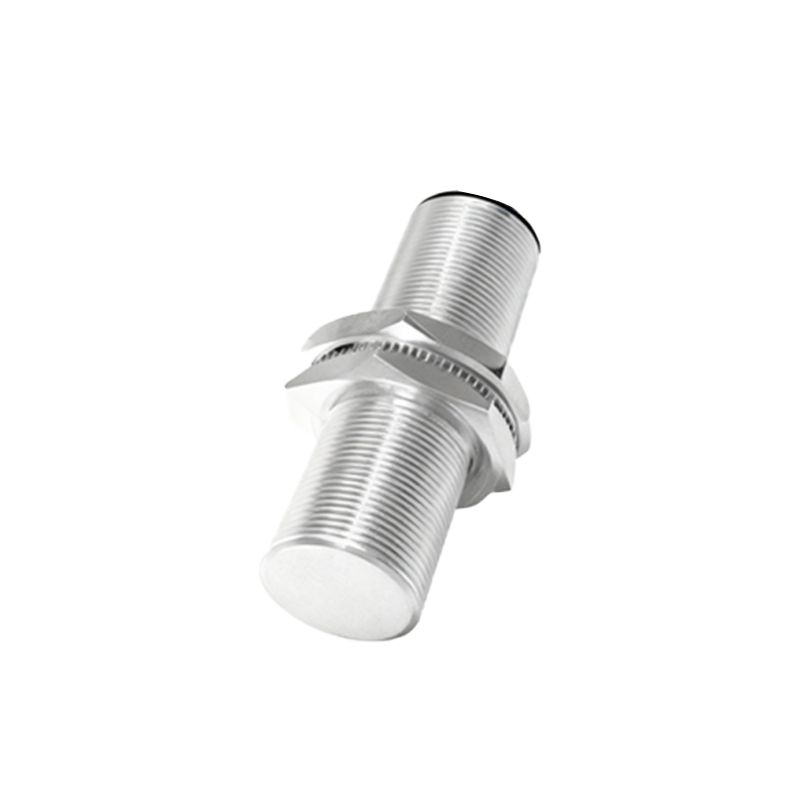
In industrial and commercial settings, garage proximity sensors extend beyond residential use to include warehouse doors, loading docks, and automated vehicle systems. Here, they contribute to operational efficiency by enabling smooth traffic flow and reducing downtime caused by accidents. For example, in logistics centers, sensors can detect the approach of forklifts or trucks, automatically opening doors to facilitate entry and exit without manual intervention. This integration with Internet of Things (IoT) platforms allows for real-time monitoring and data analytics, enabling predictive maintenance and energy savings by optimizing door operation cycles.
The benefits of garage proximity sensors are multifaceted. Safety is the foremost advantage, as they significantly reduce the likelihood of accidents involving vehicles, pedestrians, or pets. According to industry reports, sensor-equipped garage doors have lowered injury rates by over 70% in recent years. Additionally, these sensors enhance convenience by automating door operations, allowing users to control access via smartphones or voice assistants. From an energy efficiency perspective, sensors help minimize heat loss or gain by ensuring doors close promptly after use, contributing to lower utility costs in climate-controlled environments.
However, challenges exist in the deployment and maintenance of these sensors. Environmental factors like dust, moisture, or extreme temperatures can affect sensor accuracy, necessitating regular calibration and cleaning. Engineers must also consider electromagnetic interference from nearby devices, which can disrupt sensor signals. To address this, advanced models incorporate noise-filtering algorithms and shielded components. Furthermore, as smart home ecosystems evolve, compatibility with various protocols (e.g., Wi-Fi, Zigbee, or Bluetooth) becomes essential for seamless integration.
Looking ahead, the future of garage proximity sensors is intertwined with advancements in artificial intelligence (AI) and machine learning. Next-generation sensors may feature adaptive learning capabilities, allowing them to distinguish between routine objects (like parked cars) and potential hazards (such as children or pets), thereby reducing false alarms. Innovations in materials science could lead to more durable and miniaturized sensors, expanding their applications to electric vehicle charging stations or autonomous parking systems. As an electrical engineer, staying abreast of these trends is vital for designing robust, future-proof systems that meet evolving industry demands.
In conclusion, garage proximity sensors are indispensable tools in today's electrical landscape, bridging safety, automation, and efficiency. Their technical sophistication and wide-ranging applications underscore their importance in both residential and commercial contexts. By understanding their principles and embracing ongoing innovations, engineers can leverage these sensors to create smarter, safer environments. Whether for a home garage or an industrial facility, investing in high-quality proximity sensors is a prudent step toward enhanced operational integrity and peace of mind.