Laser gas detection sensors represent a significant leap forward in industrial safety and environmental monitoring. Unlike traditional detection methods that rely on electrochemical or catalytic bead sensors, laser-based systems utilize tunable diode laser absorption spectroscopy (TDLAS) to achieve unparalleled accuracy and reliability. The core principle involves emitting a laser beam at a specific wavelength that corresponds to the absorption line of the target gas molecule, such as methane (CH4), carbon dioxide (CO2), or hydrogen sulfide (H2S). As the laser light passes through the measurement area, the target gas absorbs a portion of the light energy. The sensor's detector then analyzes the attenuation of the light beam, precisely calculating the gas concentration based on the Beer-Lambert law.
One of the most compelling advantages of laser gas detectors is their exceptional selectivity. By tuning the laser to a unique absorption fingerprint of a particular gas, these sensors can distinguish between different gases even in complex mixtures, minimizing false alarms caused by cross-sensitivity. This is crucial in petrochemical plants, natural gas processing facilities, and wastewater treatment plants where multiple gases coexist. Furthermore, laser sensors offer rapid response times, often in the range of seconds, enabling real-time monitoring and early warning of hazardous gas leaks. Their non-intrusive nature allows for in-situ measurements without the need for frequent calibration or sample extraction, reducing maintenance costs and operational downtime.
Durability and longevity are other hallmarks of this technology. With no consumable parts or sensors that degrade over time, laser-based systems maintain their performance over extended periods, often exceeding a decade with minimal intervention. This makes them ideal for remote or harsh environments, including offshore platforms, pipelines, and mining operations. Modern laser gas detectors also integrate seamlessly with industrial IoT platforms, providing continuous data streams for predictive analytics, trend analysis, and centralized control room monitoring. This connectivity supports proactive safety management, helping facilities comply with stringent environmental regulations such as the EPA's leak detection and repair (LDAR) requirements.
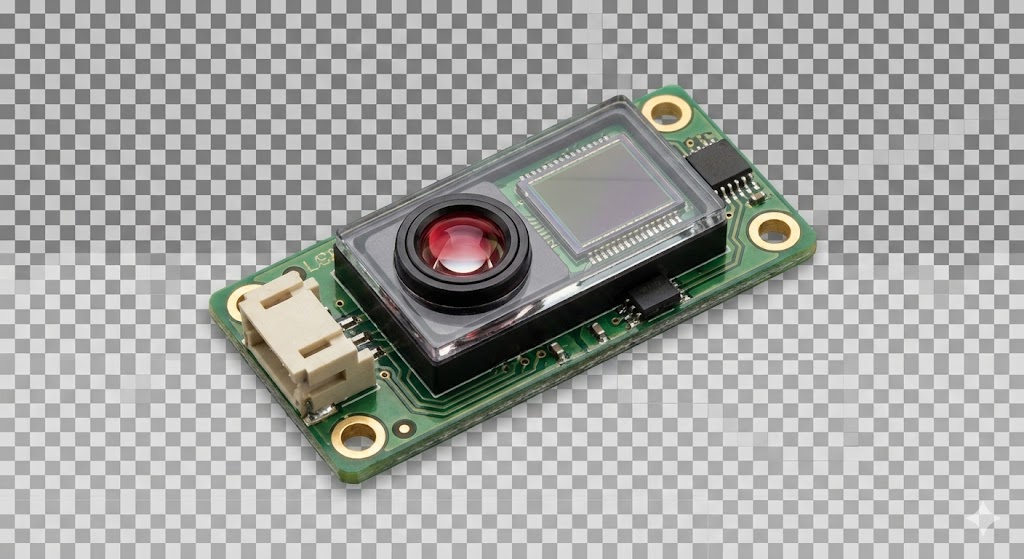
Despite the higher initial investment compared to conventional sensors, the total cost of ownership for laser gas detection systems is often lower due to reduced maintenance, calibration, and replacement needs. As laser technology continues to advance, we are seeing the development of smaller, more energy-efficient sensors, including battery-operated and wireless models, expanding their application to areas like urban air quality monitoring, smart cities, and even residential safety. In conclusion, laser gas detection sensors are redefining the standards for industrial gas monitoring, offering a blend of precision, reliability, and integration capabilities that are essential for modern safety and environmental stewardship.