In the rapidly evolving landscape of industrial automation, micro proximity sensors have become indispensable components, enabling precise, non-contact detection in space-constrained environments. These compact devices are engineered to detect the presence or absence of objects within a defined sensing range without physical contact, thereby minimizing wear and tear. This article delves into the critical model specifications and selection criteria for engineers and procurement specialists.
The core technology behind these sensors primarily falls into three categories: inductive, capacitive, and photoelectric. Inductive micro sensors are the workhorses for detecting metallic objects. Key specifications here include the sensing distance, typically ranging from 0.5mm to 5mm for micro versions, and the target material factor (e.g., steel, aluminum, copper). For instance, a model like XYZ-IM5 might offer a 2mm sensing distance for mild steel. Capacitive models, such as the ABC-CM3, can detect both metallic and non-metallic materials (liquids, plastics, wood) and are specified by their sensitivity adjustment range and dielectric constant of the target. Photoelectric micro sensors, like the PRT-PB10, use modulated infrared light and are defined by their beam type (through-beam, retro-reflective, diffuse) and response time, which can be as fast as 0.1ms.
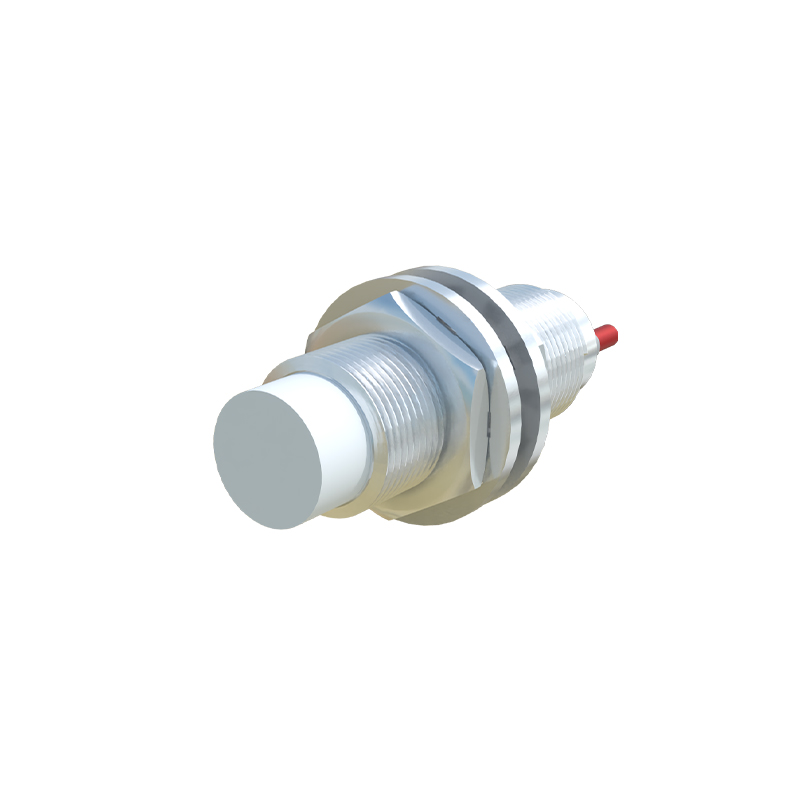
Beyond the core technology, a detailed specification sheet is paramount. The following parameters must be scrutinized:
Size and Housing: True micro sensors can be as small as M3 (3mm diameter) or 4mm x 4mm x 1.5mm. Housing material, usually nickel-plated brass or stainless steel (PBT plastic for capacitive), dictates environmental robustness.
Output Configuration: This defines the electrical interface. Common outputs include NPN (sinking) or PNP (sourcing) transistor outputs, typically in a 3-wire configuration. Analog current (4-20mA) or voltage (0-10V) outputs are used for distance-proportional measurement. The load current capacity, often 100mA to 200mA, is critical for driving relays or PLC inputs.
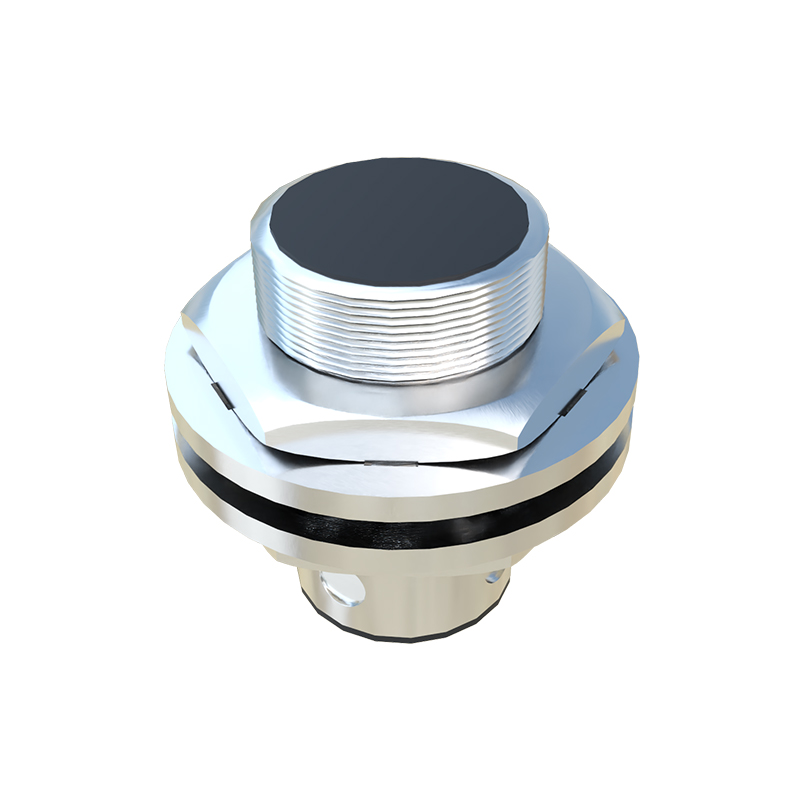
Supply Voltage: Most industrial DC models operate within a range of 10-30V DC. Ensuring compatibility with the plant's control voltage (commonly 12V or 24V DC) is essential.
Switching Frequency: This indicates how quickly the sensor can detect objects per second. A model rated at 5kHz can react to 5,000 objects per second, which is vital for high-speed assembly or packaging lines.
Environmental Ratings: The Ingress Protection (IP) rating (e.g., IP67, IP69K) certifies resistance to dust and water. Operating temperature range, often -25°C to +70°C, and resistance to chemicals, oils, or welding spatter are specified for harsh environments.
Connection Method: Choices include pre-wired cables (2m standard), compact M8 or M12 quick-disconnect connectors, or solder pins for PCB mounting.
Selecting the correct model requires a clear application analysis. For detecting a metal gear tooth in a tiny encoder, a shielded inductive sensor with a high switching frequency is ideal. For monitoring fluid level in a small translucent vial, a miniature capacitive or diffuse photoelectric sensor would be suitable. Engineers must cross-reference the target material, required sensing distance, available mounting space, and ambient conditions (presence of washdown, metal chips, etc.) with the sensor's datasheet.
Installation and electrical considerations are equally important. Maintaining the specified lateral and axial distance from other metal objects prevents false triggering in inductive sensors. Correct polarity must be observed when wiring the brown (24V+), blue (0V), and black (output signal) wires. Incorporating flyback diodes for inductive loads or ensuring proper grounding can prevent electrical noise and ensure long-term reliability.
In conclusion, navigating the specifications of micro proximity sensors—from the fundamental sensing technology to the granular details of housing, output, and environmental ratings—is critical for optimal system performance. A meticulous approach to selecting models like the XYZ-IM5, ABC-CM3, or PRT-PB10, based on concrete application demands, ensures enhanced efficiency, reliability, and precision in modern automated systems.