In the realm of industrial automation and control systems, photoelectric proximity sensors stand as a cornerstone technology for non-contact object detection. Their ability to sense the presence, absence, or position of objects without physical contact makes them indispensable in a wide array of applications, from packaging and material handling to automotive assembly and robotics. Unlike inductive or capacitive sensors, which rely on electromagnetic fields, photoelectric sensors utilize light as their sensing medium, offering distinct advantages in sensing range, material versatility, and environmental adaptability.
The fundamental operating principle of a photoelectric proximity sensor involves three core components: an emitter (light source), a receiver (photodetector), and associated signal processing circuitry. The emitter projects a beam of light—commonly infrared, visible red, or laser—toward a target area. The receiver detects changes in the received light beam. Detection occurs based on one of three primary modes: through-beam, retro-reflective, or diffuse (proximity) sensing. For proximity detection, the diffuse mode is most relevant. In this configuration, both emitter and receiver are housed in the same unit. The sensor detects an object when the light emitted is reflected off the target's surface and back to the receiver. The intensity of the reflected light is analyzed; when it surpasses a preset threshold, the sensor's output switches state, signaling the object's presence.
Key performance specifications define a sensor's suitability for an application. Sensing range, often specified for a standard white target, indicates the maximum reliable detection distance. Response time, measured in milliseconds or microseconds, determines how quickly the sensor can react to a target's appearance or disappearance. Light sources vary: modulated LED light offers immunity to ambient light interference, while laser diodes provide highly focused beams for precise detection of small objects or long ranges. The choice of housing material, typically metal or high-grade plastic, along with the Ingress Protection (IP) rating, determines the sensor's resilience against dust, moisture, and mechanical impact in harsh industrial environments.
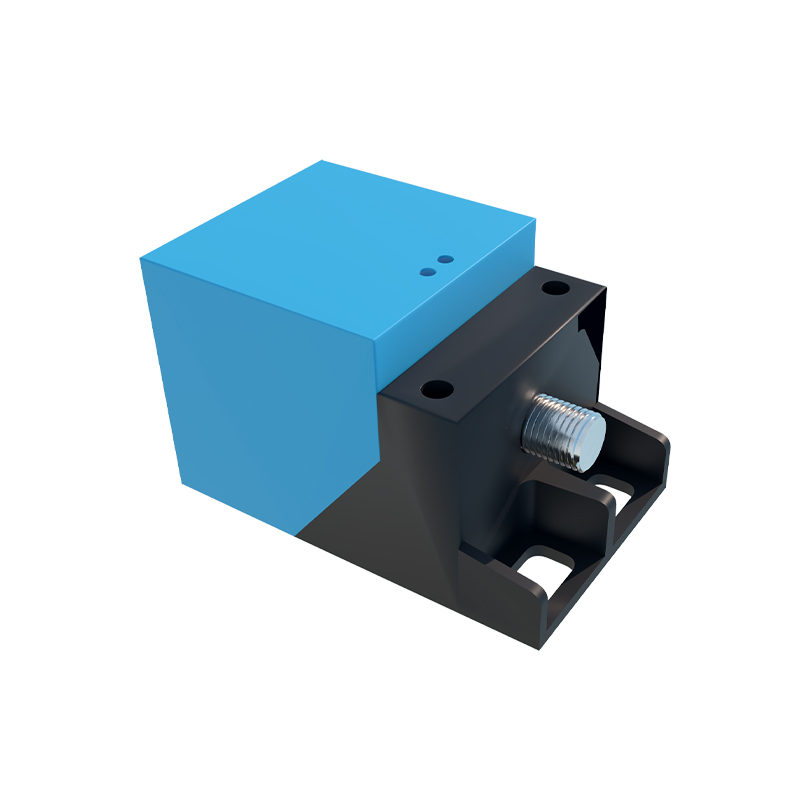
Selecting the appropriate photoelectric proximity sensor requires a careful analysis of the application parameters. First, consider the target characteristics: its color, material, surface finish, and size. Dark, matte, or absorbent surfaces reflect less light, potentially reducing the effective sensing range compared to light-colored, glossy surfaces. Second, evaluate the environmental conditions. Presence of dust, fog, steam, or intense ambient light (like welding arcs or sunlight) can interfere with optical sensing. Sensors with robust housing, specific spectral filters, or modulated light technology are essential in such scenarios. Third, define the required sensing distance and mounting constraints. Background suppression sensors are a specialized variant of diffuse sensors that can detect an object within a defined "window" of distance, ignoring objects beyond it, which is crucial for precise positioning tasks.
Applications are vast and diverse. In conveyor systems, these sensors count bottles, detect jams, or verify case presence. In automated machinery, they provide position feedback for robotic arms or confirm part placement. In the electronics industry, they detect tiny components on circuit boards. Safety systems employ them as light curtains to protect personnel in hazardous zones. The advent of IO-Link and other smart sensor communication protocols has further enhanced their functionality, enabling remote configuration, diagnostics, and integration into Industry 4.0 data networks for predictive maintenance.
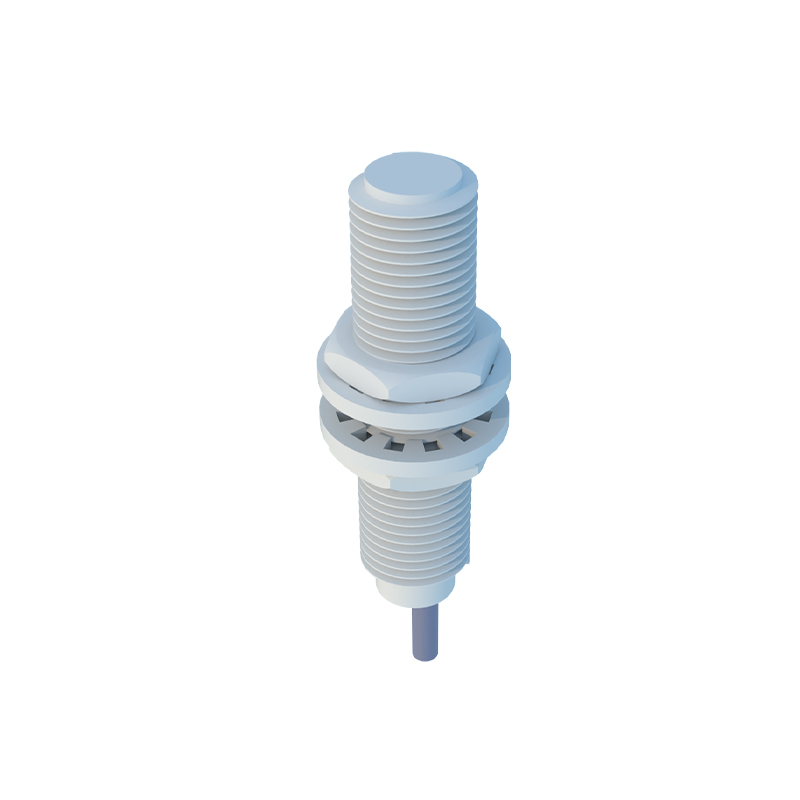
Maintenance, though minimal, is vital for sustained reliability. Regular lens cleaning prevents false triggers caused by dirt or residue buildup. Periodic verification of alignment and output ensures the sensing system operates within specified tolerances. Understanding the sensor's status via built-in diagnostic LEDs streamlines troubleshooting.
In conclusion, photoelectric proximity sensors offer a flexible and reliable solution for non-contact detection. Their operational principle, while conceptually simple, is backed by sophisticated electronics that ensure stability and accuracy. A methodical selection process—factoring in target properties, environmental challenges, and performance needs—is paramount to leveraging their full potential. As automation evolves towards greater precision and connectivity, these sensors will continue to be pivotal components, evolving with features like enhanced background suppression, longer ranges, and smarter interfaces to meet the ever-growing demands of modern industry.