In the demanding environments of modern industry, the reliability of automation systems is paramount. Among the critical components ensuring this reliability are proximity sensors, and specifically, their dust-proof variants. A dust-proof proximity sensor is an inductive, capacitive, or photoelectric device engineered to detect the presence or absence of an object without physical contact, while being specifically sealed and constructed to resist the ingress of particulate matter. This capability is not merely an added feature but a fundamental requirement for continuous operation in sectors such as mining, woodworking, cement production, food processing, and metal fabrication, where airborne dust and particulates are pervasive.
The core principle of operation remains consistent with standard proximity sensors. Inductive sensors generate an electromagnetic field to detect metallic targets, while capacitive sensors can detect both metallic and non-metallic materials by sensing changes in capacitance. Photoelectric sensors use a light beam, typically infrared, to detect objects. The critical differentiation lies in the robust housing and sealing methodologies. Dust-proof sensors are characterized by high Ingress Protection (IP) ratings, most commonly IP65, IP66, IP67, and IP69K. An IP65 rating, for example, certifies the sensor as "dust-tight" (complete protection against dust ingress) and protected against low-pressure water jets from any direction. This is achieved through meticulous design elements: sealed housings made from materials like stainless steel or robust plastics, protected cable entries, and specially sealed sensing faces. The sealing often involves high-grade elastomers like Viton or silicone, which maintain their integrity across a wide temperature range and resist degradation from oils or other industrial contaminants.
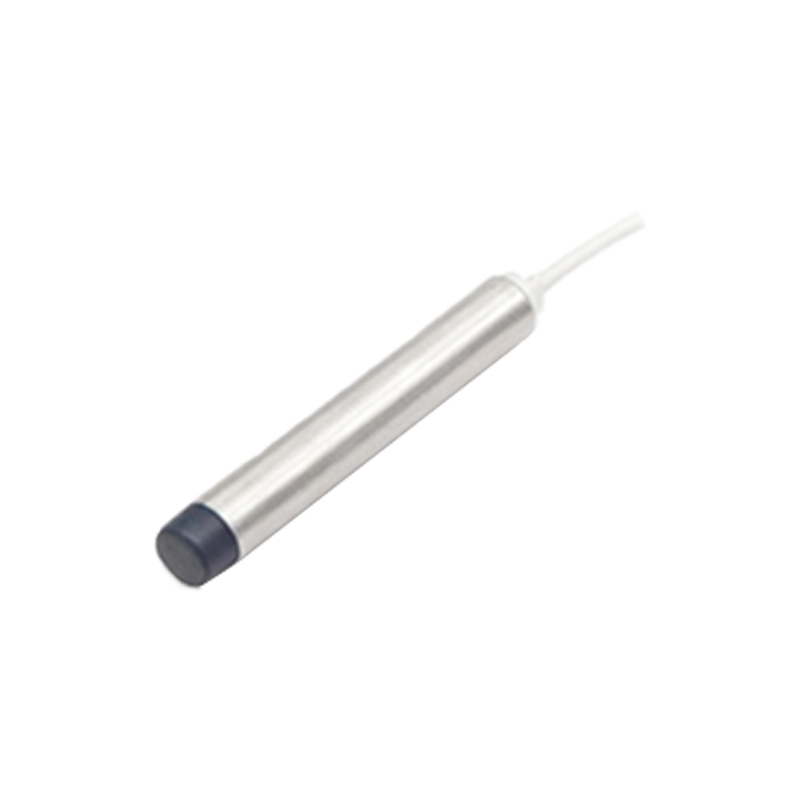
The consequences of deploying a standard sensor in a dusty environment are severe and costly. Dust accumulation on the lens of a photoelectric sensor can scatter or block the light beam, leading to false signals or complete failure. For inductive sensors, metallic dust can adhere to the sensing face, potentially causing the sensor to latch in a detected state. This leads to unplanned downtime, production line stoppages, defective products, and increased maintenance burdens. In contrast, a properly specified dust-proof sensor maintains consistent detection accuracy, reduces maintenance frequency, and significantly extends the mean time between failures (MTBF). This directly translates to higher overall equipment effectiveness (OEE) and a lower total cost of ownership.
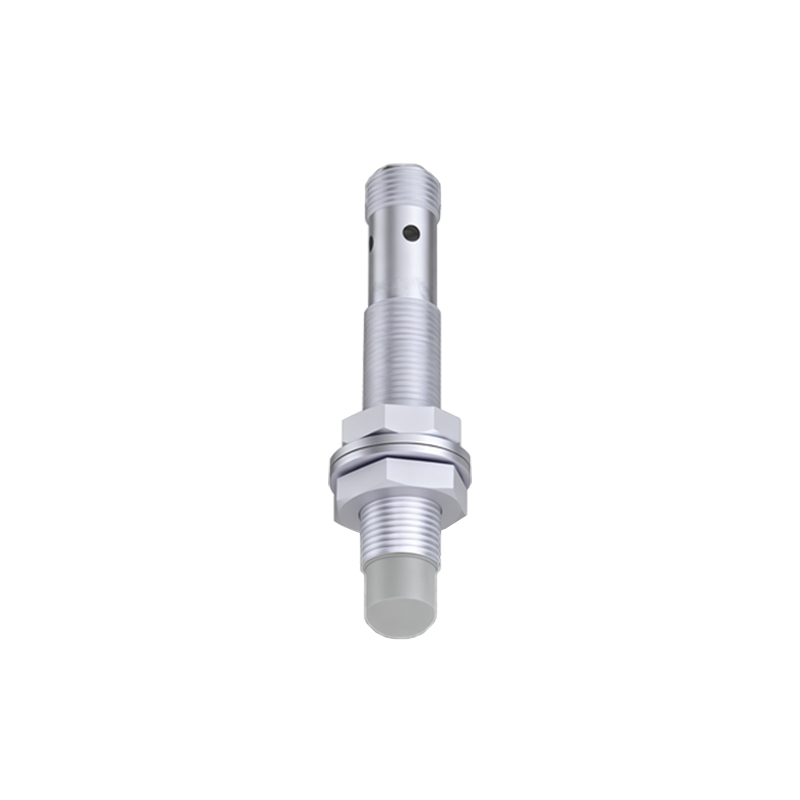
Selecting the appropriate dust-proof proximity sensor requires a thorough analysis of the application. Key considerations include:
1. Sensor Technology: Choose inductive for metallic targets in heavy dust, capacitive for non-metallic materials (like wood or grain), and photoelectric for longer ranges, ensuring the chosen model has a sealed optical system.
2. IP Rating: Match the rating to the environment. IP65/66 is often sufficient for general factory dust, while IP67/68 might be needed for washdown areas or temporary immersion. IP69K is for high-pressure, high-temperature washdowns common in food and beverage.
3. Housing Material: Stainless steel (e.g., V2A, V4A/316L) offers superior corrosion resistance for harsh, wet, or chemically aggressive dusty environments, while nickel-plated brass or PBT plastic housings are cost-effective for less severe conditions.
4. Output Type and Connection: Decide between PNP/NPN transistor outputs or relay contacts. Consider ruggedized M12 or M8 quick-disconnect connectors with sealed caps for unused ports versus pre-wired cables with gland entries.
5. Environmental Factors: Account for operating temperature range, potential exposure to oils/coolants, and the presence of explosive dust (requiring ATEX or IECEx certification for hazardous areas).
Installation and maintenance, though minimized by the robust design, are still crucial. Sensors should be mounted securely to minimize vibration. Even with high IP ratings, it is good practice to position sensors where direct exposure to the heaviest dust clouds or material spillage is minimized if possible. Regular visual inspections to check for physical damage or excessive buildup on the housing are recommended. For photoelectric types, periodic lens cleaning with appropriate materials may be necessary, but the sealed design makes this a less frequent task.
In conclusion, dust-proof proximity sensors are indispensable guardians of industrial automation in particulate-laden environments. They represent a strategic investment in system resilience. By understanding their design principles, protection standards, and selection criteria, engineers and maintenance professionals can effectively shield their control systems from one of the most common environmental adversaries—dust. This proactive approach ensures smoother production flows, higher quality output, and a stronger bottom line, proving that in industrial automation, true robustness is measured by the ability to perform flawlessly, even when the air is thick with challenge.