Magnetic proximity switch sensors are indispensable components in modern industrial automation, offering reliable non-contact detection of ferromagnetic objects. These sensors operate on the principle of detecting changes in a magnetic field, typically utilizing a reed switch or a Hall-effect element that is actuated by the presence of a permanent magnet or a ferrous target. Their robustness, long service life, and ability to function in harsh environments—such as those with dust, oil, or moisture—make them a preferred choice for position sensing, limit switching, and safety interlocking across various sectors including material handling, automotive manufacturing, and packaging machinery.
When selecting a magnetic proximity switch sensor, understanding the key model specifications is crucial. The primary differentiating factors include sensing distance, output type, housing material, electrical connection, and operating temperature range. Common sensing distances range from a few millimeters to over 30 mm, with factors like magnet strength and sensor sensitivity influencing the effective range. Output configurations generally fall into two categories: discrete (digital) outputs and analog outputs. Discrete outputs, such as NPN (sinking) or PNP (sourcing) transistor outputs, and relay contacts, provide simple ON/OFF signals ideal for PLC inputs. Analog outputs, like 4-20 mA or 0-10 V signals, offer proportional feedback based on the distance to the target, useful for precise positioning applications.
Housing materials are selected based on the operating environment. Stainless steel (e.g., AISI 304 or 316) housings provide excellent corrosion resistance for washdown areas or outdoor use, while nickel-plated brass or PBT plastic housings are suitable for general industrial settings. Electrical connections vary from pre-wired cables with M12 or M8 connectors to terminal blocks, with choices between axial, side-exit, or top-exit cable orientations affecting installation flexibility. Operating temperature specifications, typically from -25°C to +70°C or wider, ensure reliable performance in extreme conditions.
Several prominent model series dominate the market. For instance, the Series MPS-10 features a compact stainless steel housing with a 10 mm sensing range, PNP NO (Normally Open) output, and an IP67 rating, making it ideal for cylinder position detection. The Series MPS-30A offers an extended 30 mm range with both NPN and PNP selectable outputs via a DIP switch, along with an LED status indicator for easy diagnostics. For high-temperature applications, the Series MPS-HT utilizes a specialized Hall-effect IC capable of continuous operation at up to 150°C, often employed in metal casting or welding machinery. Meanwhile, the Series MPS-A provides an analog 4-20 mA output with a linear range of 0-20 mm, enabling precise feedback for servo-controlled systems.
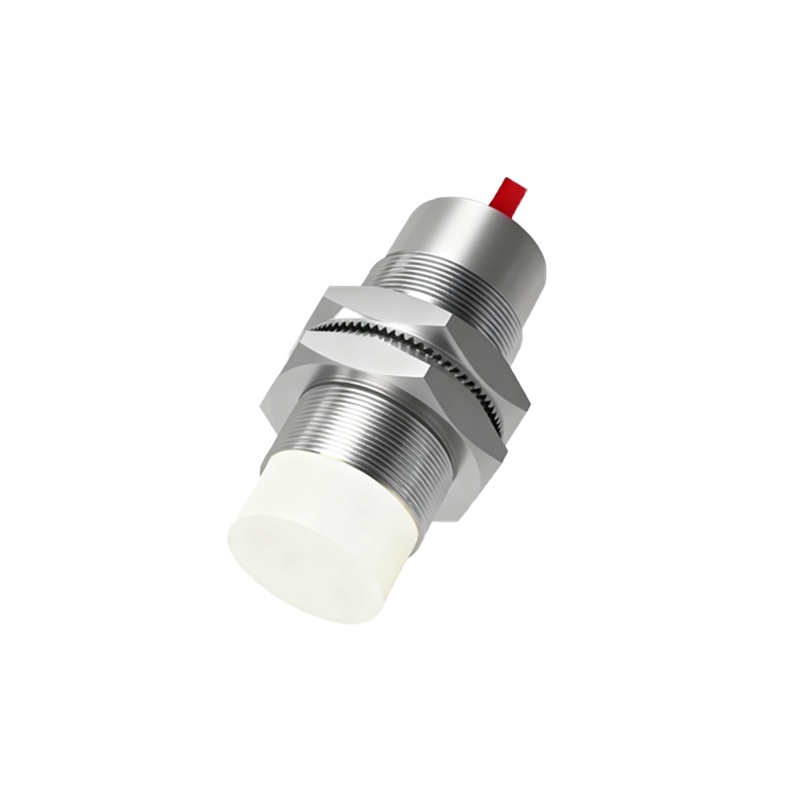
Installation and alignment are critical for optimal performance. The sensor must be mounted securely to minimize vibration effects, and the alignment between the sensor face and the target magnet or ferrous actuator (e.g., a piston rod magnet) must be precise, typically within a specified lateral offset. Shielding considerations are also important; while these sensors are inherently resistant to non-ferrous materials, strong external magnetic fields or adjacent sensors can cause interference, necessitating proper spacing or the use of magnetically shielded models.
Maintenance is generally minimal, but periodic checks for physical damage, accumulation of metallic debris on the sensing face, and verification of output signal integrity are recommended. Troubleshooting common issues often involves checking power supply voltage, load current, and the condition of the target magnet, as demagnetization over time can reduce the effective sensing distance.
In summary, the selection of a magnetic proximity switch sensor model hinges on a detailed analysis of the application requirements. By matching specifications such as sensing distance, output type, environmental protection, and temperature tolerance to the operational demands, engineers can ensure reliable, maintenance-free sensing that enhances system uptime and safety. As technology advances, newer models continue to offer enhanced features like IO-Link communication for digital parameterization and diagnostics, further integrating these sensors into the Industrial Internet of Things (IIoT) landscape.