In the rapidly evolving field of industrial automation, square proximity sensors have become indispensable components, offering reliable non-contact detection for a wide range of applications. These sensors, characterized by their compact, square-shaped housings, are designed to withstand harsh environments while providing high precision and durability. Leading companies in this sector continuously push the boundaries of technology, integrating advanced features such as IO-Link communication, enhanced sensing ranges, and robust materials like stainless steel or PBT housing.
The market for square proximity sensors is dominated by several key players, each bringing unique strengths to the table. Companies like Siemens, Omron, and Schneider Electric have established themselves as pioneers, offering sensors that cater to diverse industrial needs. Siemens, for instance, focuses on integrating sensors with IoT platforms, enabling predictive maintenance and real-time data analytics. Omron excels in developing high-speed, high-accuracy sensors suitable for automotive and packaging industries, where milliseconds matter. Schneider Electric emphasizes energy efficiency and modular designs, allowing for easy customization in complex machinery setups.
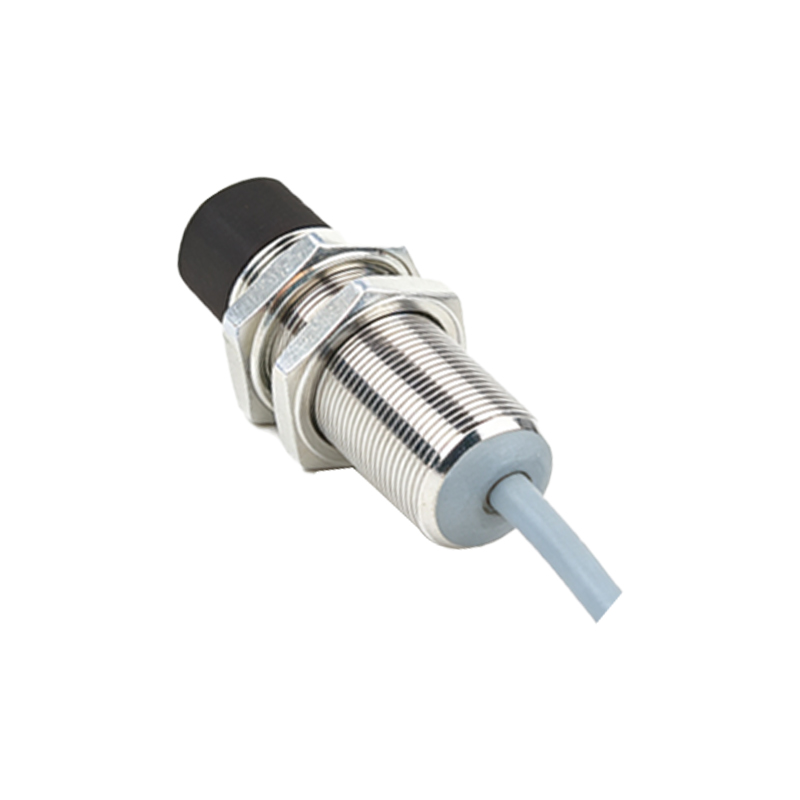
Innovation in this space is driven by the demand for smarter factories and Industry 4.0 initiatives. Modern square proximity sensors now feature embedded diagnostics, which can alert operators to potential failures before they occur, reducing downtime and maintenance costs. Additionally, the adoption of M12 or M8 connectors has standardized installations, while IP67 or higher ratings ensure resistance to dust, water, and chemical exposure. Companies are also investing in eco-friendly designs, using recyclable materials and reducing power consumption to align with global sustainability goals.
Choosing the right square proximity sensor company depends on specific application requirements. Factors such as sensing distance, output type (PNP or NPN), voltage range, and environmental conditions play a crucial role. For example, in food processing industries, sensors with hygienic designs and washdown capabilities are preferred, whereas in heavy machinery, ruggedness and shock resistance take priority. Leading manufacturers provide comprehensive catalogs and support tools, including online configurators and technical assistance, to help engineers select optimal solutions.
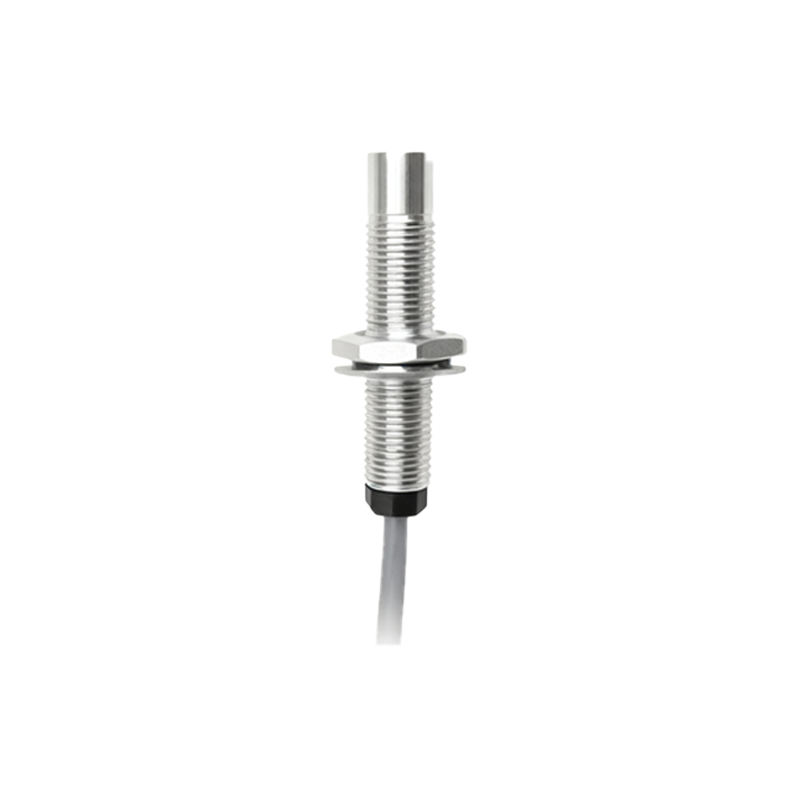
Looking ahead, the future of square proximity sensors is likely to see further miniaturization and enhanced connectivity. With the rise of 5G and edge computing, sensors may become more integrated into networked systems, enabling decentralized control and faster response times. Companies that invest in R&D for wireless capabilities and AI-driven analytics will likely lead the next wave of innovation. As industries continue to automate, the role of square proximity sensors will only grow, making it essential for businesses to partner with reliable suppliers who prioritize quality and technological advancement.
In summary, square proximity sensor companies are at the forefront of industrial automation, offering products that combine reliability, innovation, and adaptability. By understanding the offerings of top manufacturers and staying abreast of technological trends, engineers can leverage these sensors to improve efficiency, safety, and productivity in various sectors.