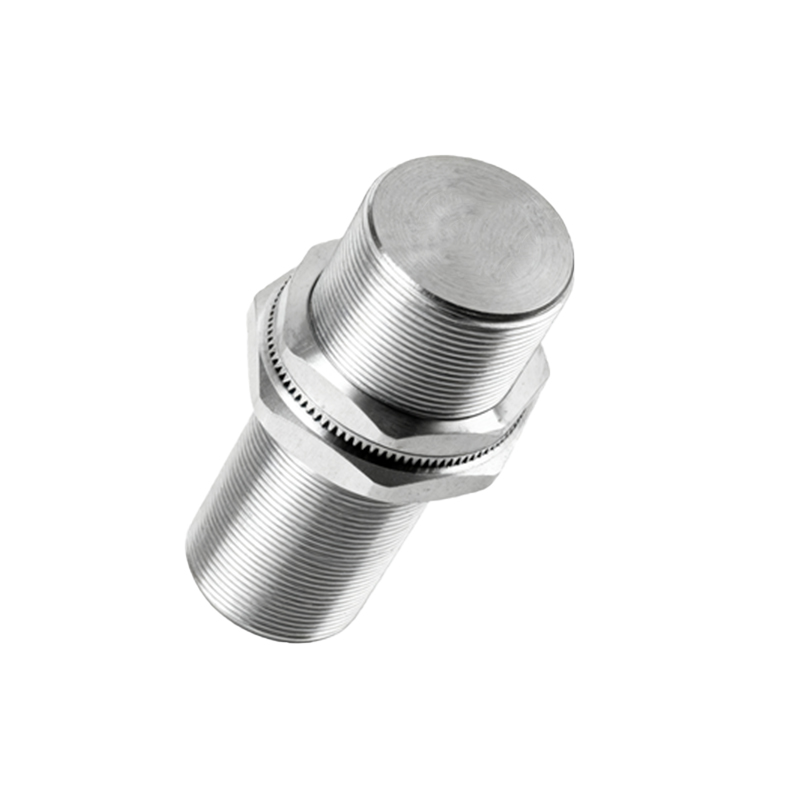
In industrial automation and control systems, proximity sensors play a critical role in detecting the presence or absence of objects without physical contact. A key component of these sensors is the indicator light, which provides immediate visual feedback on the sensor's operational status. This article delves into the functionality, types, and best practices for interpreting and utilizing proximity sensor indicator lights effectively.
Proximity sensors, including inductive, capacitive, and photoelectric types, are widely used in manufacturing, robotics, and safety systems. The indicator light, typically an LED, is integrated into the sensor housing to signal various states. Common indications include power supply status, object detection, and error conditions. For instance, a steady green light often signifies that the sensor is powered and functioning normally, while a blinking red light might indicate a detection event or a fault. Understanding these signals is essential for troubleshooting and maintaining system efficiency.
The design of indicator lights varies across manufacturers and sensor models. Some sensors feature multi-color LEDs that change hue based on different operational modes, enhancing diagnostic capabilities. For example, a yellow light could denote a warning state, such as marginal detection range or environmental interference. In high-noise environments, where visual inspection is challenging, the brightness and color coding of these lights are optimized for visibility. Additionally, certain advanced sensors incorporate communication protocols that allow indicator status to be monitored remotely via PLCs or HMIs, integrating visual cues into broader control systems.
Proper interpretation of indicator lights can prevent downtime and improve safety. Technicians should refer to the sensor's datasheet for specific meaning, as standards are not universal. Regular maintenance, including cleaning the lens and checking for damage, ensures reliable light output. In applications involving hazardous areas, sensors with intrinsically safe indicator lights are preferred to avoid ignition risks. Moreover, training personnel on these visual cues fosters quicker response times during malfunctions.
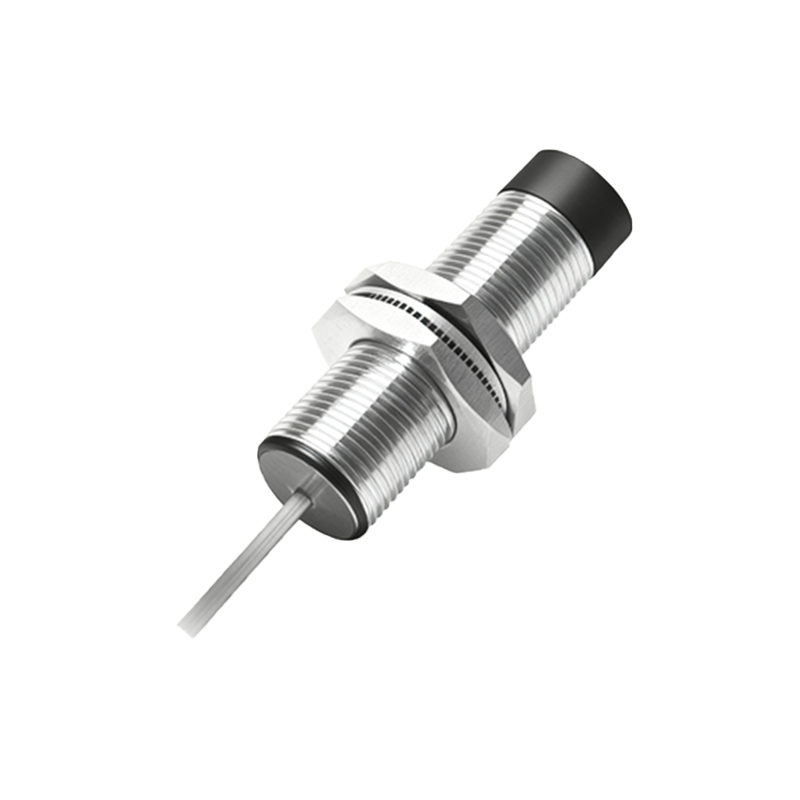
Emerging trends include smart sensors with configurable indicator lights, enabling customization for specific workflows. As Industry 4.0 advances, the role of these lights may expand to include data transmission indicators, such as network connectivity status. By mastering the nuances of proximity sensor indicator lights, engineers can enhance operational transparency and leverage real-time diagnostics for optimized performance.
In summary, the humble indicator light on a proximity sensor is more than just a simple beacon; it is a vital tool for real-time monitoring and troubleshooting. By paying close attention to its signals, industrial professionals can ensure smoother operations, reduce errors, and uphold safety standards in dynamic environments.