Fiber laser intelligent sensors represent a significant leap forward in industrial monitoring and automation, combining the precision of laser technology with advanced data processing capabilities. These sensors utilize optical fibers as the sensing medium, where laser light is transmitted through the fiber to detect changes in parameters such as temperature, strain, pressure, and vibration. The core principle involves analyzing alterations in the light's properties—like intensity, wavelength, or phase—when it interacts with external stimuli. This allows for real-time, high-accuracy measurements in harsh environments where traditional electronic sensors may fail due to electromagnetic interference, extreme temperatures, or corrosive conditions.
One of the key advantages of fiber laser intelligent sensors is their integration with smart systems. Embedded with microprocessors and IoT connectivity, these sensors can not only collect data but also perform on-the-fly analysis using machine learning algorithms. For instance, in predictive maintenance applications, they monitor machinery vibrations to detect anomalies indicative of wear or impending failure, sending alerts to maintenance teams before breakdowns occur. This reduces downtime and operational costs significantly. In structural health monitoring for bridges or pipelines, distributed fiber sensors provide continuous strain mapping along kilometers of infrastructure, identifying weak points that require reinforcement.
The technology's versatility extends to various sectors. In manufacturing, fiber laser sensors enable precise quality control by measuring dimensions and surface defects with micron-level accuracy. In energy, they enhance safety in oil and gas pipelines by detecting leaks through temperature or acoustic sensing. The medical field benefits from minimally invasive biosensors for real-time patient monitoring. Recent innovations include multi-parameter sensors that simultaneously track several variables, reducing the need for multiple devices and simplifying system integration.
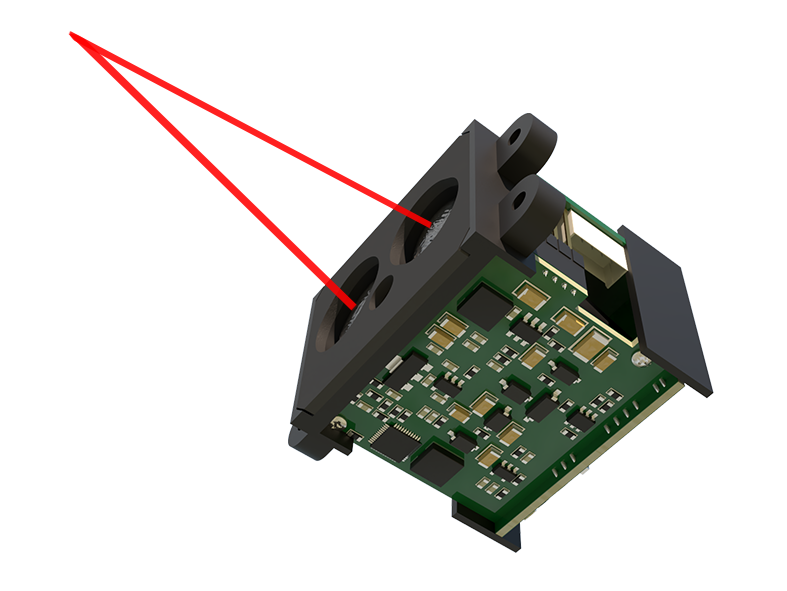
Despite their benefits, challenges remain, such as high initial costs and complexity in deployment. However, ongoing research focuses on cost reduction through mass production and improved fiber materials. As Industry 4.0 evolves, fiber laser intelligent sensors are poised to become ubiquitous, driving efficiency and safety across industries. Their ability to provide reliable, actionable insights makes them indispensable for future smart factories and infrastructure.