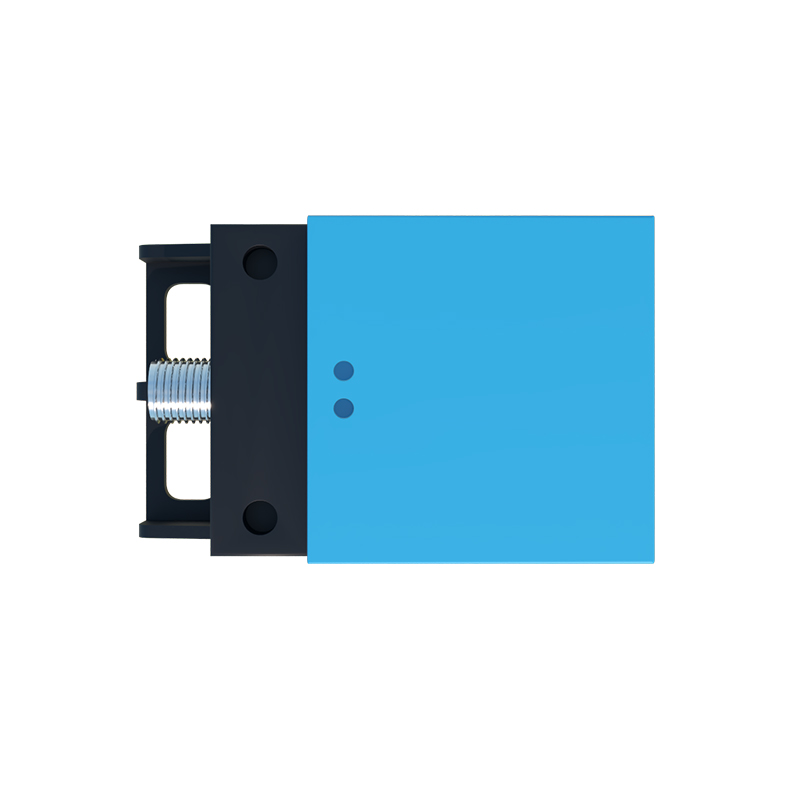
In the realm of industrial automation, proximity switch sensor harnesses serve as critical components that ensure reliable signal transmission and power delivery between sensors and control systems. These harnesses, often overlooked in system design, are fundamental to maintaining operational integrity, minimizing downtime, and enhancing safety in harsh industrial environments. A proximity switch sensor harness typically consists of insulated wires, connectors, shielding, and protective conduits, engineered to withstand electromagnetic interference (EMI), mechanical stress, temperature fluctuations, and exposure to chemicals or moisture.
The design of a proximity switch sensor harness begins with selecting appropriate wire gauges and materials based on current-carrying capacity and environmental conditions. For instance, in high-vibration settings, such as automotive assembly lines or robotic arms, harnesses require robust strain relief and flexible cabling to prevent wire fatigue and breakage. Shielding, usually composed of braided copper or aluminum foil, is essential to mitigate EMI from nearby motors, drives, or power lines, which can cause false triggering or signal loss in proximity sensors. Connectors must match the sensor and controller interfaces, with options ranging from M8 and M12 circular connectors for compact sensors to rectangular headers for larger systems, ensuring secure mating and IP-rated protection against dust and water ingress.
Installation practices significantly impact harness performance. Proper routing away from heat sources and moving parts, along with the use of cable ties or conduits, reduces wear and tear. In applications like packaging machinery or material handling, where sensors detect metallic objects without physical contact, harness integrity directly affects detection accuracy and response time. For example, inductive proximity switches used in metal detection rely on stable harness connections to maintain consistent oscillation frequencies, while capacitive types for non-metallic materials demand shielded harnesses to avoid environmental capacitance interference.
Maintenance and troubleshooting of proximity switch sensor harnesses involve regular inspections for insulation damage, connector corrosion, or loose terminations. Advanced diagnostic tools, such as megohmmeters or network analyzers, can identify insulation resistance drops or impedance mismatches that lead to sensor failures. In industries like food processing or pharmaceuticals, where washdowns are common, harnesses with IP67 or IP69K ratings prevent fluid penetration, ensuring compliance with hygiene standards.
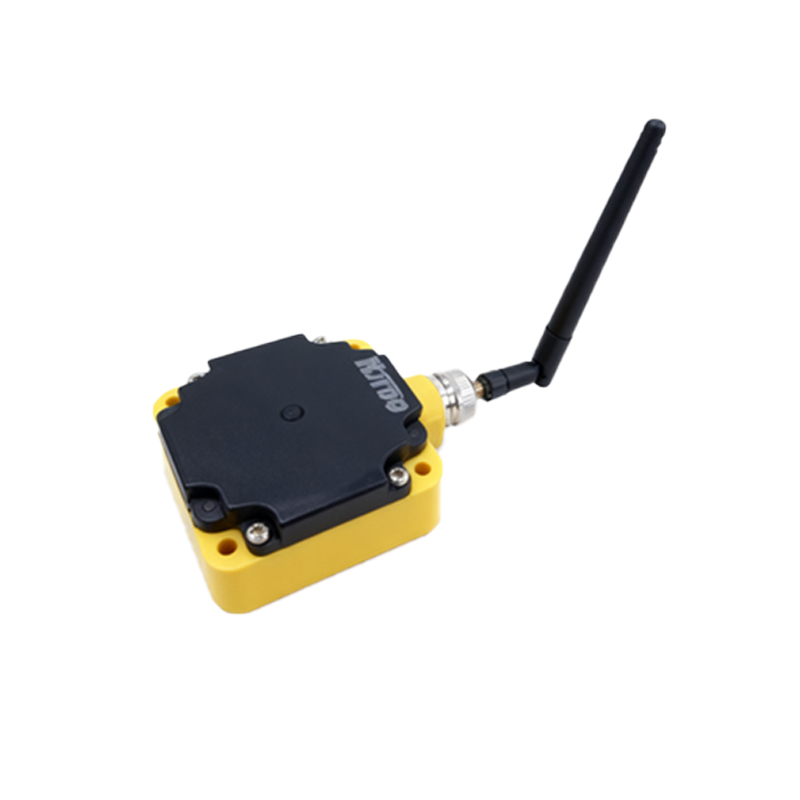
Innovations in harness technology include the integration of smart features like predictive maintenance sensors within the harness itself, enabling real-time monitoring of electrical parameters and early fault detection. Additionally, the adoption of modular and quick-disconnect harness designs facilitates easier replacements and upgrades, reducing system downtime. As Industry 4.0 advances, proximity switch sensor harnesses are evolving to support higher data rates for IO-Link or Ethernet-APL communications, allowing seamless integration into digital twin and IoT frameworks for optimized automation processes.
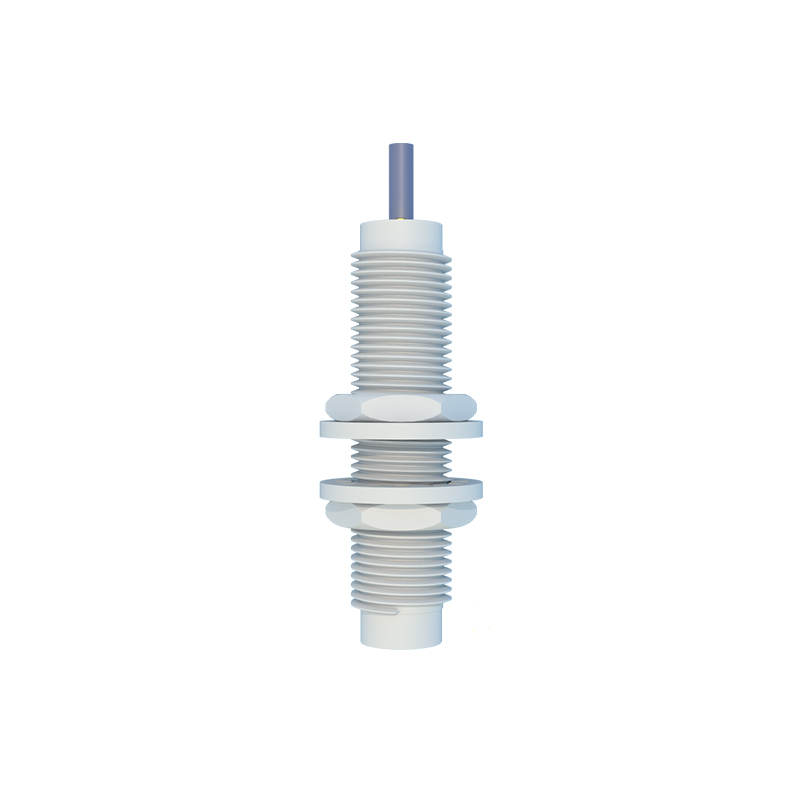
Ultimately, a well-engineered proximity switch sensor harness not only extends the lifespan of sensors and controllers but also enhances overall system efficiency. By prioritizing quality materials, precise design, and rigorous testing, engineers can mitigate common issues like signal degradation or short circuits, fostering a resilient automation ecosystem. In summary, these harnesses are indispensable links that bridge sensing elements with control logic, underpinning the reliability and precision of modern industrial operations.