In the vast landscape of industrial automation and electronic control systems, proximity sensors stand as silent, vigilant sentinels. Their appearance, often deceptively simple, is a direct reflection of their robust functionality and the demanding environments they inhabit. Unlike the flashy consumer electronics we encounter daily, the design of a proximity sensor is dictated by principles of durability, reliability, and seamless integration into machinery.
At first glance, most industrial proximity sensors share a common cylindrical or rectangular housing. This housing is the sensor's armor. It is typically constructed from materials like nickel-plated brass, stainless steel (V2A or V4A grades), or high-grade engineering plastics such as PBT or PPS. The choice of material is critical. A nickel-plated brass housing offers excellent corrosion resistance for general factory environments. In more aggressive settings—food processing, chemical plants, or washdown areas—stainless steel becomes the standard, prized for its resistance to acids, alkalis, and high-pressure cleaning. Plastic-bodied sensors provide excellent electrical isolation and are immune to rust, making them ideal for non-metallic environments or where cost is a significant factor.
The front face of the sensor, known as the sensing face or active surface, is its most distinctive feature. For inductive sensors, designed to detect metallic objects, this face is usually a flat, smooth disc made of a ferrite core material, often encased within the housing's front end. It is through this face that the electromagnetic field emanates. Capacitive sensors, which can detect both metallic and non-metallic materials, may have a similar flat face or sometimes a larger, more exposed sensing area to interact with a wider field.
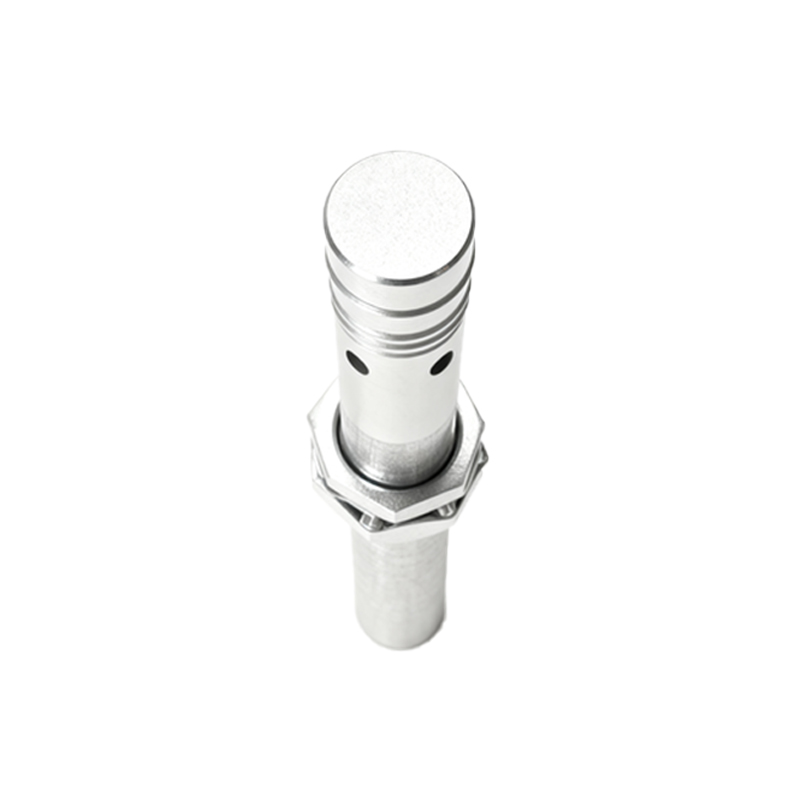
The body of the sensor is rarely just a plain tube. It almost always features a set of mounting nuts. These are hexagonal nuts, usually made of metal or robust plastic, that allow the sensor to be securely fastened into a pre-drilled hole in a machine frame or bracket. The standard design enables flush or non-flush mounting, with the nuts permitting fine adjustment of the sensor's depth. Many cylindrical sensors also have an LED indicator light. This small, often red or green, LED is a vital diagnostic tool. Its steady glow or blink pattern provides immediate visual feedback on the sensor's operational status—power on, target detected, or fault condition—saving valuable troubleshooting time.
The rear of the sensor houses the electrical connection. This is where the sensor's appearance diverges based on the connection type. The three primary styles are:
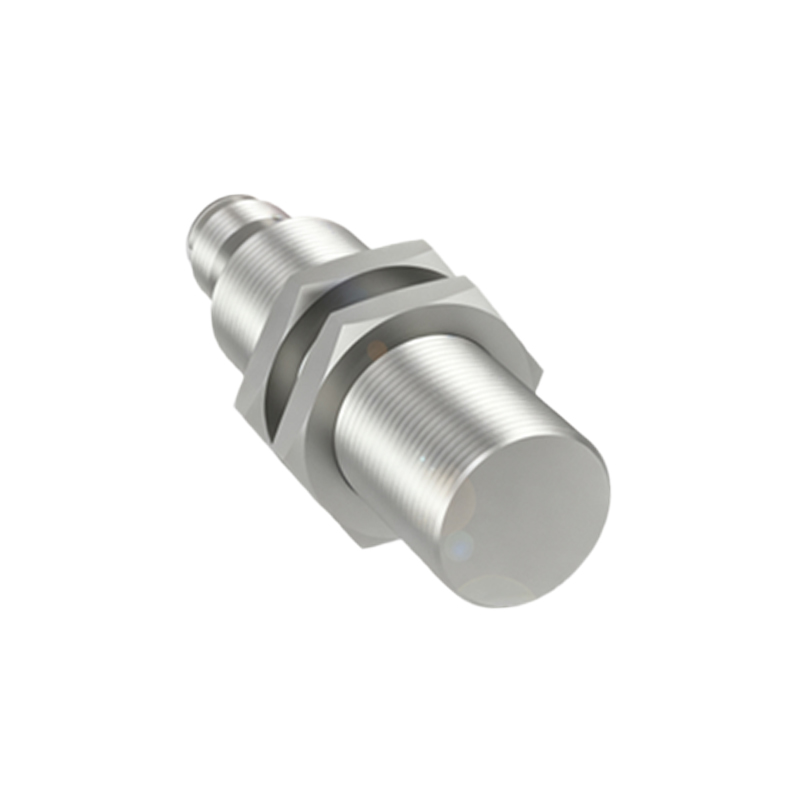
1. Cable Exit: A flexible, shielded PVC or PUR cable emerges directly from the sensor body. The cable is typically oil-resistant, abrasion-resistant, and features specific color-coded wires (e.g., brown for +V, blue for 0V, black for output). The cable length can vary from a few centimeters to several meters.
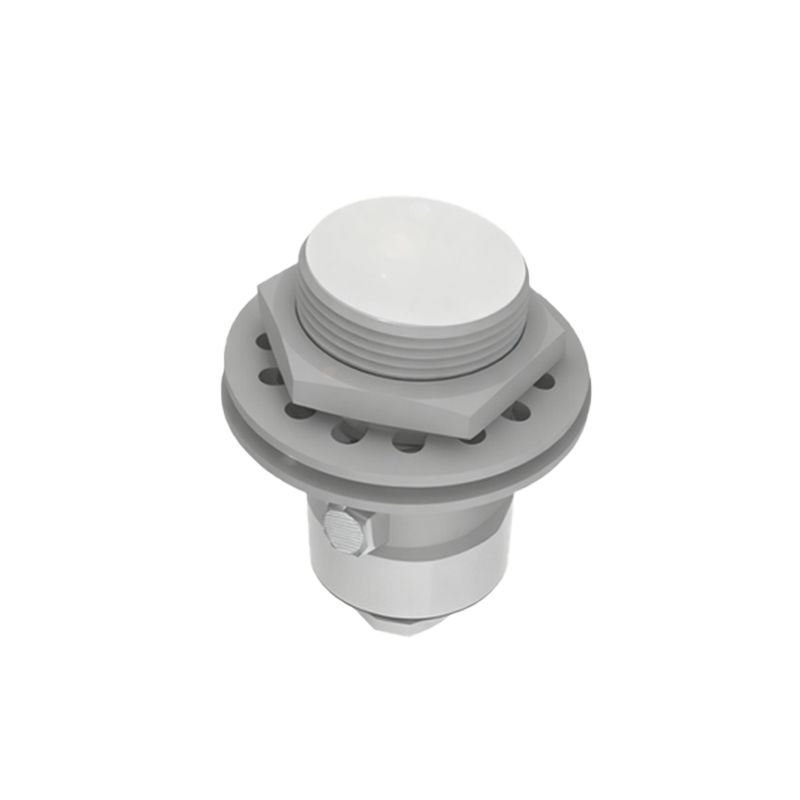
2. Connector Style (Quick-Disconnect): Here, the sensor body terminates in a standardized, molded plug connector (common types include M8, M12, or M23 circular connectors). This design allows for rapid sensor replacement without rewiring, greatly enhancing maintenance efficiency. The connector is typically made of robust plastic or metal and is keyed to prevent incorrect mating.
3. Terminal Chamber: Less common in modern miniaturized sensors, some larger models have a small compartment with screw terminals or spring-cage clamps for direct wire connection.
Size is a defining characteristic. Proximity sensors range from tiny, barrel-shaped units as small as M4 (4mm in diameter) for ultra-compact machinery, to larger, heavy-duty models of M30 or M40 diameter for long-range detection or harsh environments. The shape is predominantly cylindrical for ease of installation in drilled holes, but rectangular "block" style sensors are also prevalent, especially for applications requiring a wider sensing area or side-sensing capabilities.
The color scheme is almost universally functional. Metal housings are often a natural metallic silver or brass/gold hue from plating. Plastic housings are most commonly black, gray, or blue, with specific colors sometimes indicating the sensing technology (e.g., blue is often used for inductive sensors from certain manufacturers). The LED is a bright spot of color, and connection cables follow industry-standard color coding.
In essence, the appearance of a proximity sensor is a perfect case of form following function. Its rugged housing protects sensitive electronics from impact, vibration, and contaminants. Its standardized shape and mounting provisions ensure it can be easily integrated into global machine designs. The LED and connection options provide essential interface points for the human technician. There is no superfluous ornamentation; every curve, nut, and LED serves a precise engineering purpose. To an engineer, its straightforward, industrial aesthetic is a thing of beauty, symbolizing precision, reliability, and the silent, unseen work that drives modern automation.
SEO