Proximity sensors are essential components in modern industrial automation, providing non-contact detection of objects. The housing of a proximity sensor plays a critical role in its performance, durability, and suitability for specific environments. This article explores the common types of proximity sensor housings, their materials, and key industrial applications.
1. Cylindrical Metal Housings
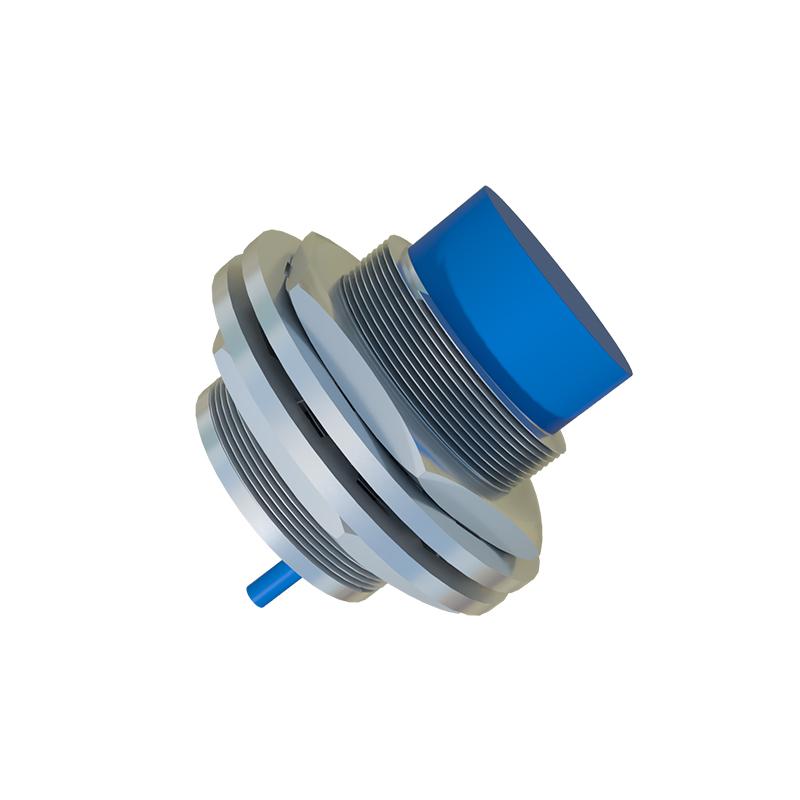
Cylindrical metal housings are among the most prevalent in industrial settings. Typically made from stainless steel (such as SUS303 or SUS304) or brass with nickel plating, these housings offer excellent mechanical strength and resistance to physical impacts. They are often threaded (e.g., M8, M12, M18, M30) for easy installation into machined fixtures or panels. The robust construction provides shielding against electromagnetic interference (EMI) and enhances durability in harsh conditions like metalworking, automotive assembly, and heavy machinery. Some cylindrical housings feature built-in LEDs for status indication, while others are designed with short-body or long-body variants to fit space-constrained applications.
2. Rectangular or Block-Style Housings
Rectangular housings, usually crafted from engineering plastics like PBT or metals, are favored for their compact design and versatile mounting options. These housings often include mounting brackets or slots for screw fixation, allowing flexible orientation. Plastic rectangular housings are lightweight and resistant to corrosion, making them ideal for food processing, packaging, and cleanroom environments where chemical exposure or frequent washdowns occur. Metal rectangular housings, on the other hand, provide enhanced heat dissipation and are used in high-temperature operations such as furnace monitoring or welding equipment.
3. Slot-Style or Fork Housings
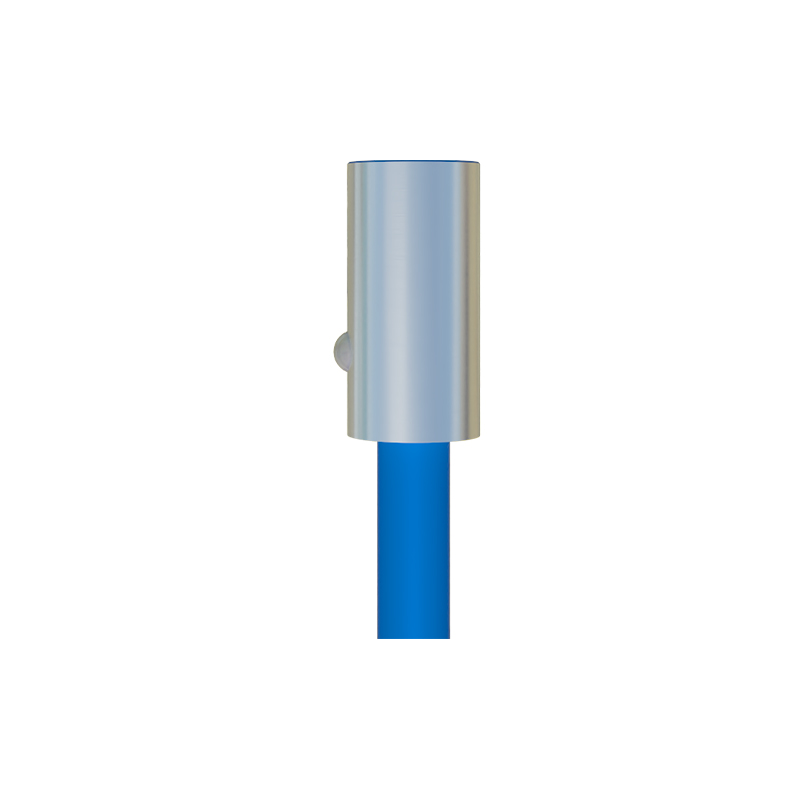
Slot-style housings feature a U-shaped or forked design that enables detection of objects passing through the slot. Commonly constructed from ABS plastic or anodized aluminum, these housings integrate both emitter and receiver elements for precise sensing in counting, edge guiding, or web break detection. The slot design minimizes false triggers by limiting the sensing area, which is crucial in printing, textile, and paper manufacturing industries. Many slot housings include adjustable sensitivity controls and sealed joints to prevent dust or liquid ingress.
4. Ring or Tubular Housings
Ring housings are cylindrical with a hollow center, allowing objects to pass through the aperture. Made from stainless steel or coated aluminum, they are employed in applications like thread detection, cap alignment, or wire break monitoring. The through-hole design ensures consistent detection without direct contact, reducing wear. These housings often come with mounting flanges or adapters for integration into conveyor systems or robotic arms.
5. High-Temperature and Specialty Housings
For extreme environments, proximity sensors feature housings made from heat-resistant materials like ceramic-filled polymers or high-grade stainless steel (e.g., Inconel). These housings can withstand temperatures exceeding 200°C and are used in foundries, glass manufacturing, or aerospace testing. Additionally, explosion-proof housings with reinforced seals and certifications (ATEX, IECEx) are available for hazardous areas like oil refineries or chemical plants, where flammable gases or dust may be present.
6. Material Considerations and IP Ratings
The choice of housing material directly impacts sensor longevity. Plastics (e.g., PBT, PVDF) offer corrosion resistance and electrical insulation, while metals provide superior thermal conductivity and shielding. Ingress Protection (IP) ratings, such as IP67 or IP69K, indicate the housing's ability to resist dust and water. For instance, IP67-rated housings can tolerate temporary immersion, and IP69K housings withstand high-pressure jet cleaning—critical for pharmaceutical or dairy industries.
7. Integration and Customization Trends
Modern proximity sensor housings are increasingly designed for smart factory integration. Features include IO-Link compatibility, embedded diagnostics, and modular designs that allow quick replacement. Custom housings can be tailored for unique applications, such as miniature sensors for robotics or extra-long-range housings for logistics automation. When selecting a housing, factors like sensing distance, environmental contaminants, mechanical stress, and regulatory standards must be evaluated to ensure optimal performance.
In summary, proximity sensor housings are engineered to meet diverse industrial demands. From rugged metal cylinders to hygienic plastic blocks, each type balances protection, functionality, and adaptability. Understanding these housing options enables engineers to deploy sensors reliably across automation systems, enhancing efficiency and safety in production processes.