In the realm of industrial automation and machinery control, proximity sensors serve as critical components for detecting the presence or absence of objects without physical contact. These non-contact sensors, including inductive, capacitive, and photoelectric types, are fundamental to ensuring operational safety, precision, and efficiency. When a proximity sensor malfunctions or fails, the consequences can range from minor disruptions to catastrophic system failures, making it essential to assess the severity of such anomalies thoroughly.
A proximity sensor failure often manifests as false triggering, missed detections, or complete unresponsiveness. In low-risk environments, such as a conveyor belt in a packaging line, a single sensor anomaly might cause temporary stoppages or product misalignment, leading to reduced throughput and minor downtime. However, in high-stakes applications like robotic assembly lines, automotive manufacturing, or heavy machinery operations, the implications are far more severe. For instance, if a sensor fails to detect an obstacle in a robotic cell, it could result in collisions, equipment damage, or even injury to personnel. Similarly, in automated guided vehicles (AGVs) or crane systems, sensor malfunctions may lead to unsafe movements, risking both infrastructure and human safety.
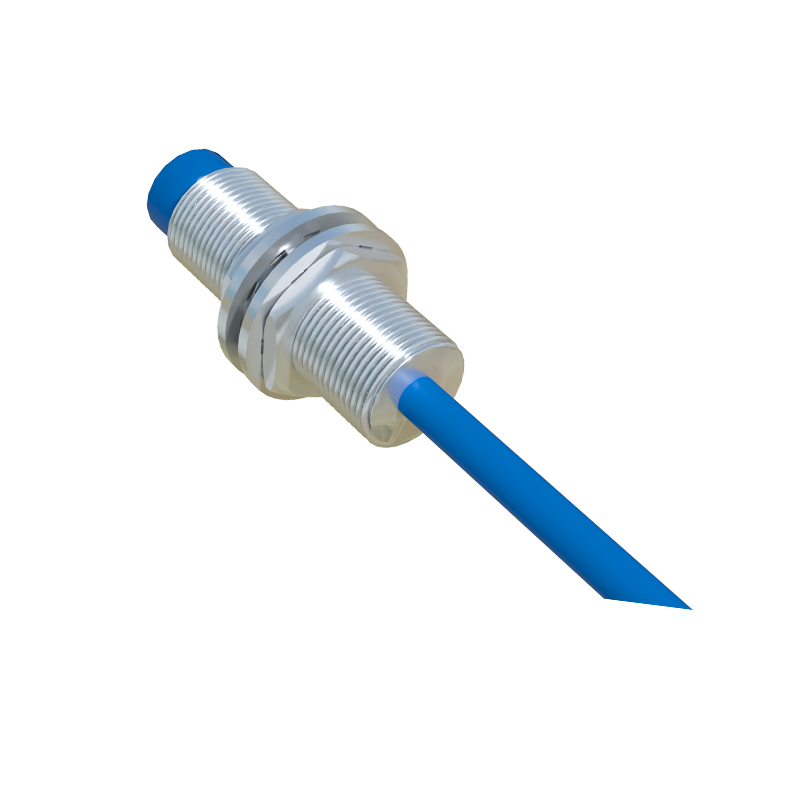
The root causes of proximity sensor failures are diverse, encompassing environmental factors, electrical issues, and mechanical wear. Exposure to extreme temperatures, moisture, dust, or corrosive substances can degrade sensor performance over time. Electrical problems, such as voltage spikes, wiring faults, or electromagnetic interference (EMI), may also trigger erratic behavior. Additionally, mechanical damage from vibration or impact can compromise sensor integrity. Regular maintenance, including calibration, cleaning, and inspection, is crucial to mitigate these risks. Predictive maintenance techniques, such as monitoring sensor response times and output signals, can help identify early signs of deterioration before a complete failure occurs.
From a financial perspective, the seriousness of proximity sensor anomalies extends beyond immediate repair costs. Unplanned downtime in manufacturing can lead to significant production losses, missed deadlines, and contractual penalties. In industries like pharmaceuticals or food processing, sensor failures might compromise quality control, resulting in non-compliance with regulatory standards and potential recalls. Moreover, repeated sensor issues can erode trust in automation systems, prompting costly overhauls or replacements.
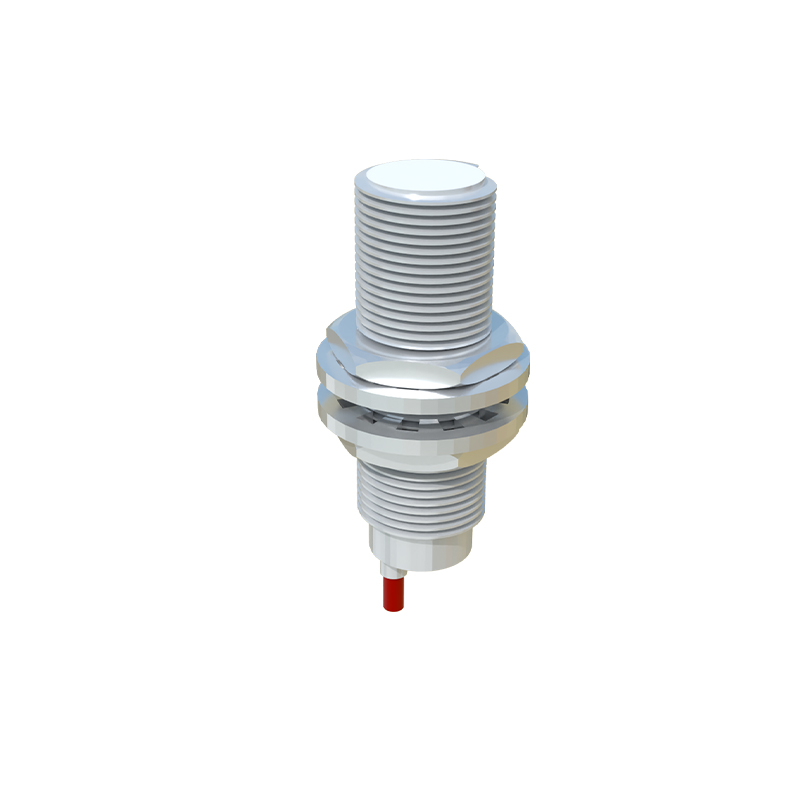
To address these challenges, engineers and technicians should adopt a proactive approach. Selecting the right sensor type for the application—considering factors like sensing range, material compatibility, and environmental ratings—is the first step toward reliability. Implementing redundancy, such as using multiple sensors in critical pathways, can provide backup detection and enhance system resilience. Furthermore, integrating sensors with industrial networks (e.g., IO-Link, PROFINET) enables real-time diagnostics and remote troubleshooting, reducing response times during failures.
In conclusion, proximity sensor failures are not to be taken lightly in industrial settings. Their severity depends on the application's criticality, but even minor anomalies can escalate into major issues if ignored. By understanding the potential impacts, investing in robust maintenance practices, and leveraging advanced technologies, industries can minimize risks and ensure continuous, safe operations. Ultimately, treating sensor health as a priority is key to sustaining productivity and safeguarding assets in an increasingly automated world.
