In the rapidly evolving landscape of industrial automation, DC proximity sensors have become indispensable components for detecting the presence or absence of objects without physical contact. These sensors, operating on direct current, are widely utilized in manufacturing lines, robotics, and safety systems due to their reliability, longevity, and precision. However, as global emphasis on sustainability intensifies, energy efficiency has emerged as a critical factor in sensor design and deployment. This article delves into the energy efficiency standards governing DC proximity sensors, exploring their implications for industry practices and environmental stewardship.
DC proximity sensors function by generating an electromagnetic field and detecting changes caused by metallic or non-metallic targets. Their energy consumption, though often perceived as minimal in individual units, accumulates significantly across large-scale industrial setups. Inefficient sensors can lead to substantial power wastage, increased operational costs, and heightened carbon footprints. Consequently, regulatory bodies and industry consortia have developed standards to curb energy usage while maintaining performance integrity. Key among these are the IEC 60947-5-2 and ISO 50001 frameworks, which provide guidelines for low-power design and energy management systems.
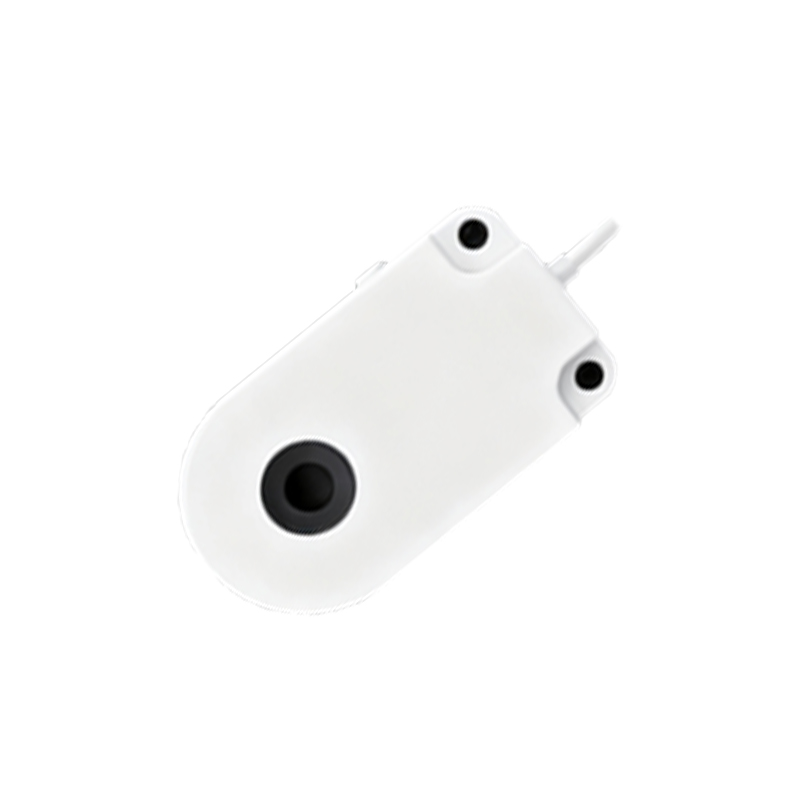
The IEC 60947-5-2 standard, specifically addressing proximity sensors, mandates stringent thresholds for power dissipation during active and standby modes. For DC variants, this involves optimizing circuitry to reduce leakage currents and incorporating sleep or idle states when detection is not required. Advanced sensors now feature adaptive switching technologies that modulate energy output based on target proximity, effectively minimizing consumption without compromising response times. Moreover, the standard encourages the use of high-efficiency components, such as low-dropout regulators and energy-harvesting modules, to enhance overall system sustainability.

ISO 50001, while broader in scope, complements these efforts by establishing a structured approach to energy management. Industries adopting this standard are compelled to audit sensor networks, identify inefficiencies, and implement corrective measures. For DC proximity sensors, this often entails lifecycle assessments—evaluating energy use from production to disposal—and promoting designs with recyclable materials and extended durability. Manufacturers adhering to ISO 50001 frequently integrate smart diagnostics that alert users to suboptimal energy patterns, enabling proactive maintenance and upgrades.
From a technical perspective, achieving compliance with these standards involves multifaceted engineering strategies. One prominent method is the adoption of pulse-width modulation (PWM) techniques, where sensors operate at reduced duty cycles, drawing power only during brief intervals. This approach can slash energy consumption by up to 70% compared to conventional continuous-operation models. Additionally, leveraging semiconductor advancements, such as gallium nitride (GaN) transistors, allows for higher switching frequencies with lower losses, further boosting efficiency. Sensor housings are also being redesigned with thermally conductive materials to dissipate heat effectively, reducing the need for auxiliary cooling systems that add to energy loads.
The economic and environmental benefits of adhering to energy efficiency standards are profound. Industries report measurable reductions in electricity bills, often recouping investment costs within two years through savings. Environmentally, optimized DC proximity sensors contribute to lower greenhouse gas emissions, aligning with global initiatives like the Paris Agreement. Case studies from automotive and packaging sectors demonstrate that retrofitting legacy systems with efficient sensors can decrease plant-wide energy usage by 15-20%, underscoring their impact beyond individual applications.

Looking ahead, the trajectory of DC proximity sensor standards is poised to evolve with technological innovations. Emerging trends include the integration of Internet of Things (IoT) capabilities for real-time energy monitoring and machine learning algorithms that predict optimal sensor configurations. Regulatory updates are expected to mandate even stricter efficiency tiers, potentially incorporating carbon accounting metrics. For engineers and stakeholders, staying abreast of these developments is crucial to fostering competitive, sustainable operations.
In conclusion, energy efficiency standards for DC proximity sensors represent a vital convergence of technical excellence and ecological responsibility. By embracing these guidelines, industries not only enhance operational economics but also contribute to a greener future. As automation continues to expand, the role of efficient sensing technologies will only grow in significance, making adherence to standards an imperative rather than an option.