In the realm of industrial automation and control systems, proximity switch sensor actuator modules stand as fundamental components, bridging the gap between sensing and action. These integrated units are pivotal for enabling precise, contactless detection and subsequent control of machinery, forming the backbone of countless automated processes. This guide delves into the operational principles, key configurations, and critical selection criteria for these essential modules.
At its core, a proximity switch sensor actuator module combines a non-contact sensing element with a solid-state switching output. The sensor, typically inductive, capacitive, or photoelectric, detects the presence or absence of a target object without physical contact. This detection event is processed internally, triggering the actuator—most commonly a relay or a solid-state switch—to change state. This state change (e.g., from open to closed) sends a control signal to a larger system, such as a Programmable Logic Controller (PLC), motor starter, or alarm circuit, initiating a predefined action like stopping a conveyor, counting parts, or activating a robotic arm.
The primary advantage of this modular approach is integration and reliability. By housing the sensor, signal conditioning circuitry, and output actuator in a single, often ruggedized enclosure, these modules offer enhanced noise immunity, simplified wiring, and robust performance in harsh industrial environments characterized by vibration, moisture, and temperature extremes. Common output configurations include NPN (sinking) and PNP (sourcing) transistor outputs for DC modules, and relay contacts for AC/DC switching. Relay outputs provide galvanic isolation and can handle a wider range of load voltages, while solid-state transistor outputs offer faster switching speeds and higher cycle life.
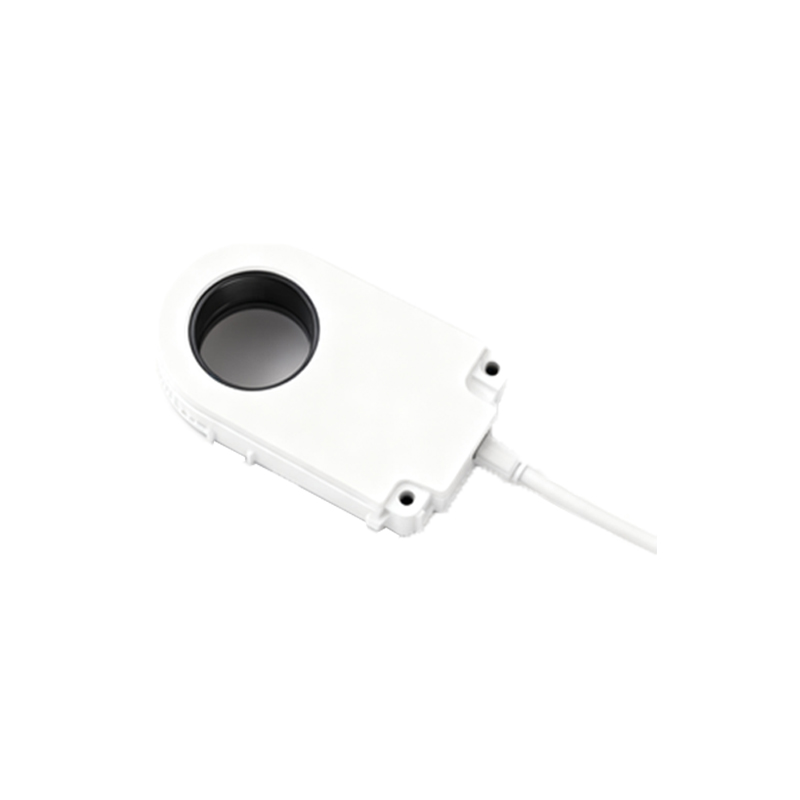
Selecting the appropriate module requires careful consideration of several technical parameters. First, the sensing technology must match the application: inductive sensors for metallic objects, capacitive for non-metals or liquid levels, and photoelectric for long-range or precise position detection. The sensing distance, or "switching distance," is specified by the manufacturer and must account for the target material and size. Secondly, the electrical characteristics are paramount: the operating voltage range (e.g., 10-30V DC, 90-250V AC), the type and current rating of the output (e.g., 200mA for a transistor, 5A for a relay), and the switching frequency. Environmental ratings, denoted by IP (Ingress Protection) codes for dust and water resistance and NEMA ratings, are critical for ensuring longevity in specific plant conditions.
Installation and wiring practices significantly impact performance. Proper mounting, ensuring the correct clearance around the sensor head, and using shielded cables in electrically noisy environments are standard best practices. Many modern modules feature diagnostic LEDs indicating power status and output activation, greatly simplifying troubleshooting. Common failure modes include sensor damage from mechanical impact, output overload due to excessive current, or degraded performance from contamination buildup on the sensing face.
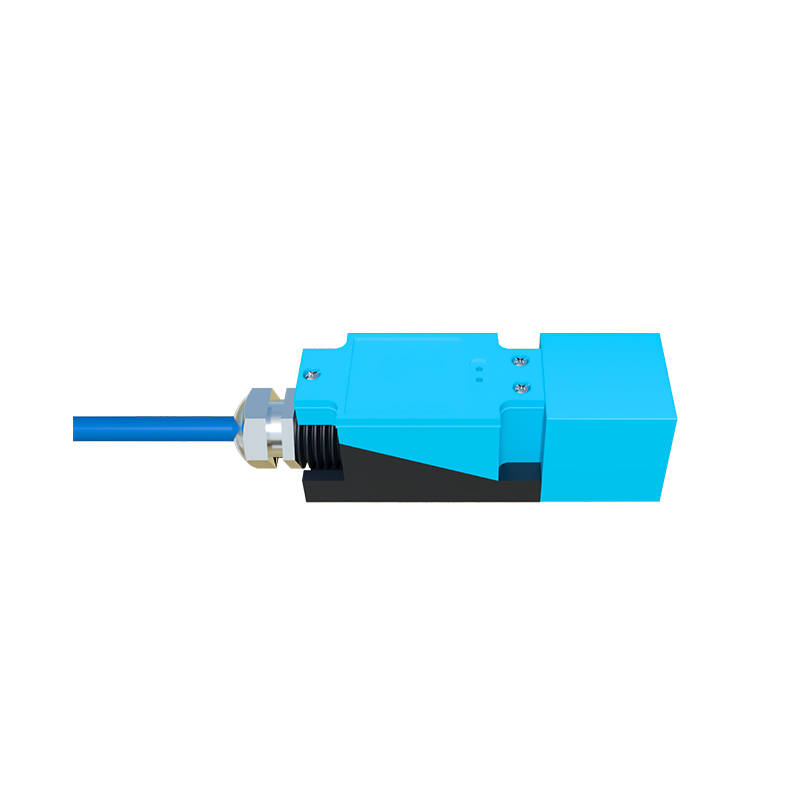
The applications for proximity switch sensor actuator modules are vast. They are indispensable in material handling for object detection on conveyors, in packaging machinery for fill-level control and positioning, in automotive assembly lines for robotic guidance and part verification, and in safety systems as part of interlock circuits. Their role in enabling Industry 4.0 initiatives is also growing, with advanced modules offering IO-Link communication for digital parameter setting, condition monitoring, and integration into networked industrial IoT architectures.
In conclusion, proximity switch sensor actuator modules are more than simple switches; they are intelligent interfaces that translate physical presence into actionable control signals. A thorough understanding of their working principles, specifications, and application nuances is essential for electrical engineers designing, maintaining, or optimizing automated systems. By making informed selections and adhering to proper installation guidelines, these modules deliver the reliability, precision, and durability required for modern industrial automation, ensuring seamless and efficient operation across diverse sectors.