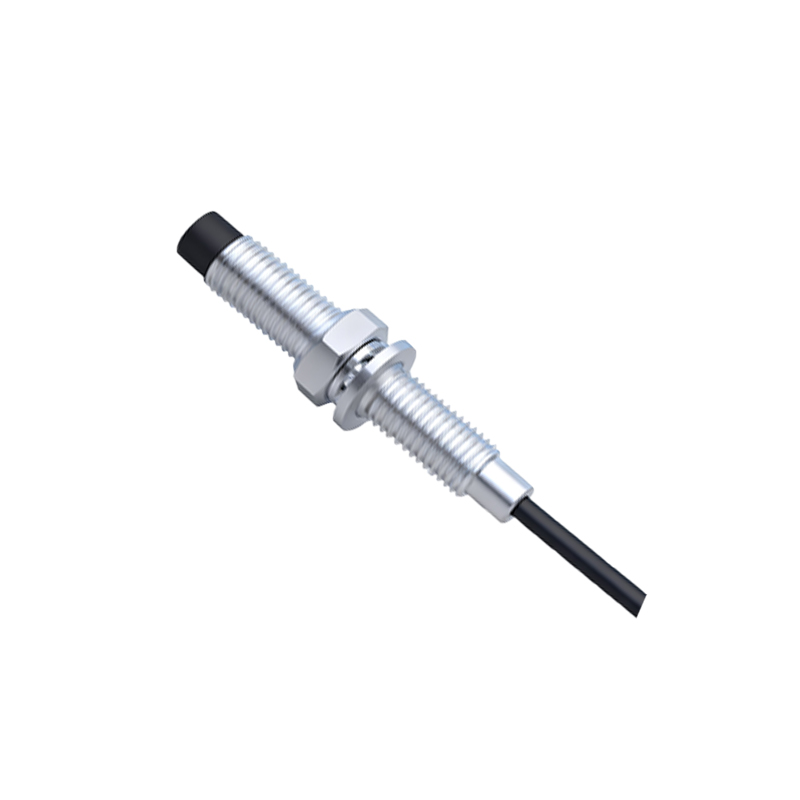
In the realm of mobile device engineering, proximity sensor switches have become indispensable components, enabling seamless user interactions and enhancing device functionality. These sensors, typically based on infrared (IR) or capacitive technologies, detect the presence of nearby objects without physical contact. When integrated into smartphones or tablets, they perform critical tasks such as turning off the display during phone calls to prevent accidental touches, conserving battery life, and improving overall user experience.
The operational principle of an IR-based proximity sensor involves an IR LED emitter and a photodiode receiver. The emitter sends out an infrared light beam, which reflects off an approaching object—like a user’s ear or hand—and is captured by the receiver. By measuring the intensity of the reflected light, the sensor determines the object’s distance. This data is processed by an embedded microcontroller, which triggers a switch to control the display backlight or touchscreen functionality. Key parameters include detection range (usually 1–5 cm), response time (milliseconds), and power consumption, which engineers optimize for efficiency and reliability.
Capacitive proximity sensors, an alternative technology, detect changes in capacitance caused by conductive objects. They are less common in mobile devices due to higher sensitivity to environmental factors but offer advantages in specific applications, such as waterproof designs. Regardless of the technology, these sensors must be calibrated to account for ambient light, surface reflectivity, and temperature variations, ensuring consistent performance across diverse usage scenarios.
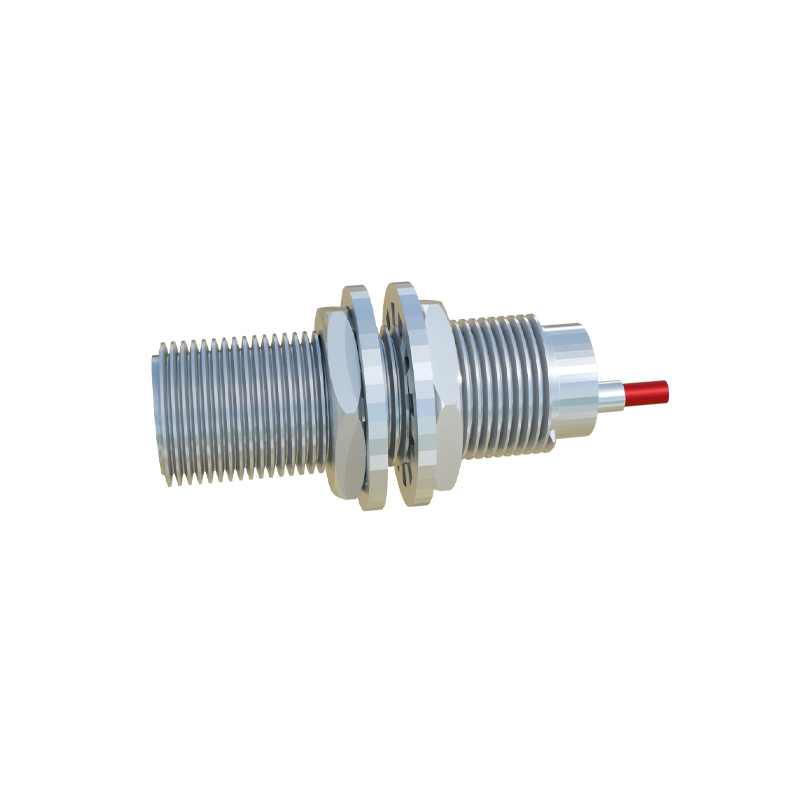
From an engineering perspective, the design of proximity sensor switches involves careful PCB layout, optical window integration, and firmware algorithms. Shielding from electromagnetic interference (EMI) is crucial to prevent false triggers, while miniaturization allows seamless integration into slim bezels or under-display configurations. Recent advancements include the use of time-of-flight (ToF) sensors for enhanced accuracy and multi-functional sensor hubs that combine proximity detection with ambient light sensing and gesture recognition.
In practice, proximity sensors contribute to mobile device safety and durability. For instance, they prevent screen damage by deactivating touch inputs when the device is in a pocket or bag. Moreover, they support accessibility features, such as enabling voice commands during close-range interactions. As the Internet of Things (IoT) expands, these sensors are evolving for use in wearables and smart home devices, highlighting their versatility.
Challenges in this domain include power management, as sensors must operate continuously without draining the battery, and environmental robustness, especially in extreme temperatures or humid conditions. Engineers address these through low-power IC designs, adaptive sampling rates, and rigorous testing protocols. Future trends may involve AI-driven sensor fusion, where proximity data is combined with other inputs like cameras or accelerometers for context-aware responses.
Overall, proximity sensor switches exemplify the intersection of hardware innovation and software intelligence in mobile technology. Their silent yet vital role underscores the importance of precision engineering in creating intuitive, energy-efficient devices that meet modern consumer demands. As 5G and foldable devices emerge, these sensors will continue to adapt, paving the way for next-generation interactive experiences.