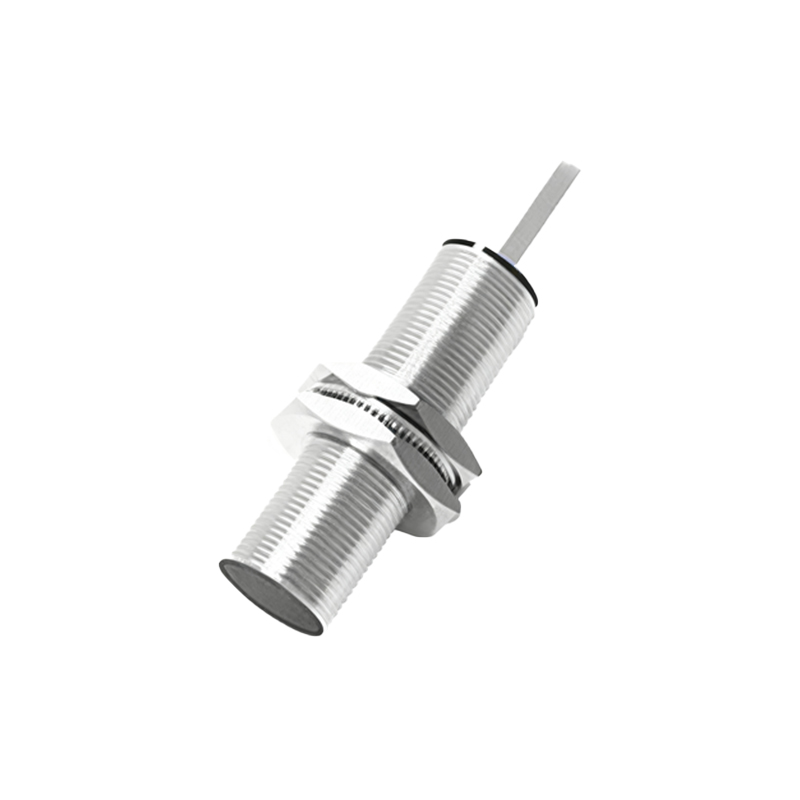
In industrial automation and electrical control systems, proximity sensors are indispensable components for non-contact detection of metallic or non-metallic objects. A common question that arises among engineers and technicians is whether proximity sensors can be intentionally or accidentally shorted, and what implications such an action carries. This article delves into the technical aspects, risks, and practical considerations surrounding the shorting of proximity sensors.
Proximity sensors, including inductive, capacitive, and ultrasonic types, operate based on electromagnetic fields or sound waves to detect objects within their sensing range. They are typically connected to control systems via output circuits, which can be either sinking (NPN) or sourcing (PNP) configurations. Shorting, in electrical terms, refers to creating a direct low-resistance connection between two points in a circuit, often bypassing intended components. For proximity sensors, this usually involves shorting the output wires or terminals.
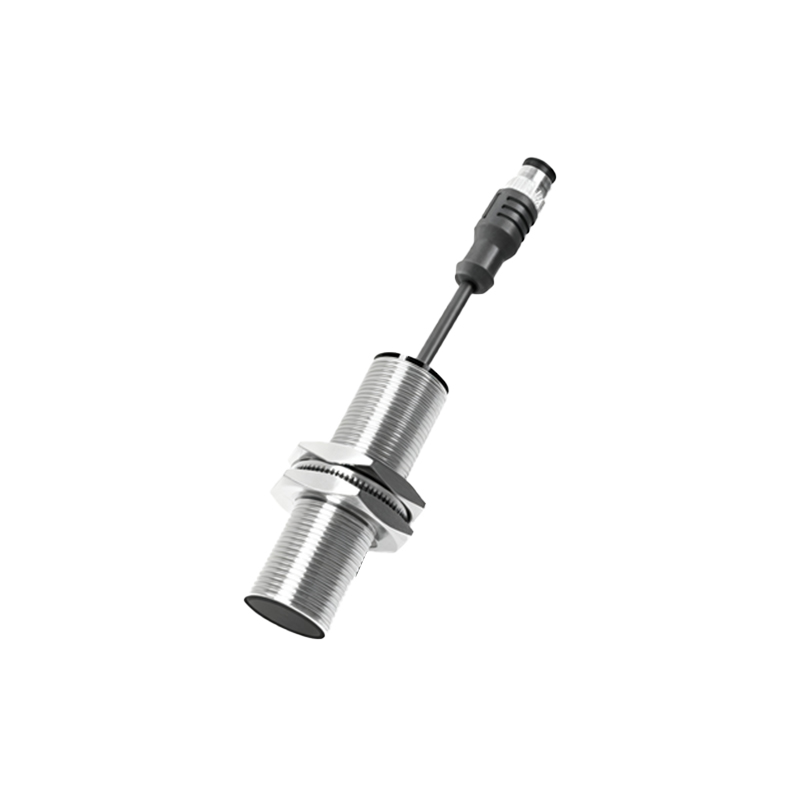
From a design perspective, most modern proximity sensors incorporate built-in protection mechanisms against short circuits. These include current-limiting circuits, thermal shutdown features, and robust housing to prevent accidental contact. For instance, in a typical 3-wire DC sensor, shorting the output wire to the positive or negative supply may trigger protective measures, but it is not recommended as a standard practice. Manufacturers often specify maximum load currents and short-circuit endurance ratings in datasheets, indicating that sensors can withstand temporary shorts without immediate failure. However, prolonged or repeated shorting can degrade internal components, leading to reduced lifespan or erratic behavior.
In practical applications, shorting a proximity sensor is sometimes employed for testing or simulation purposes. For example, during system commissioning, technicians might short the output to verify PLC input responses or troubleshoot wiring issues. This is generally safe if done briefly and within the sensor’s rated parameters. However, it is crucial to consult the sensor’s manual beforehand, as some models may have specific warnings against shorting. Additionally, in hazardous environments or high-voltage systems, shorting can pose safety risks, such as arcing or equipment damage.
One key consideration is the sensor’s output type. Two-wire AC sensors, commonly used in older systems, are more tolerant of short circuits due to their simple switching nature. In contrast, three-wire DC sensors with transistor outputs require careful handling, as shorting can cause overheating in the output transistor. Analog output sensors (e.g., 4-20 mA or 0-10 V) are particularly sensitive to shorts, which can distort signal integrity and affect downstream control loops. For such sensors, using a shunt resistor or isolator is preferable to direct shorting.
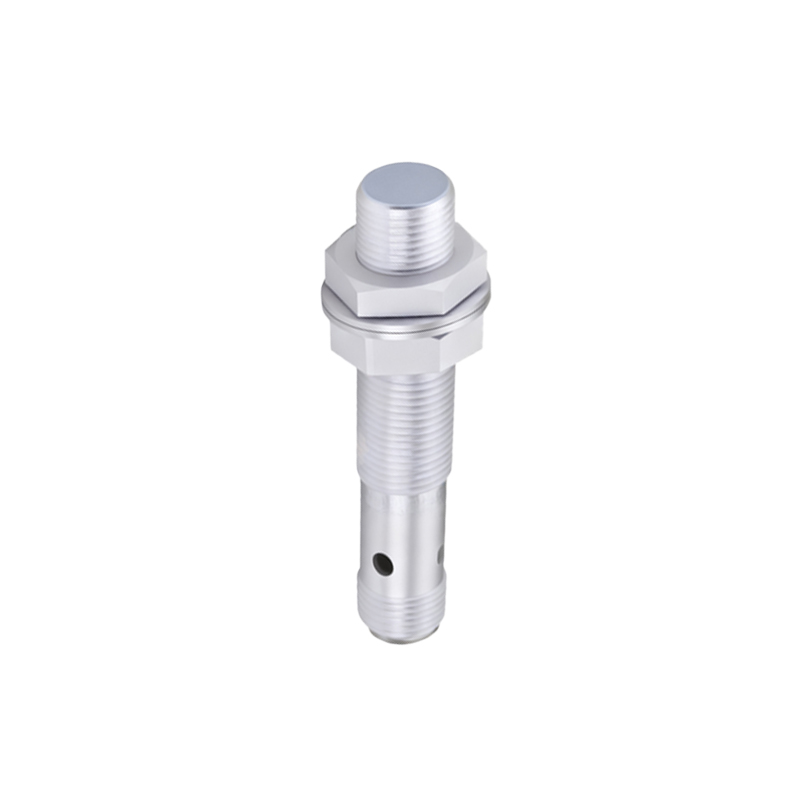
From an electrical engineering standpoint, shorting a proximity sensor is technically possible but should be approached with caution. It is not a standard operational procedure and is generally discouraged in routine use. Instead, engineers should rely on proper diagnostic tools, such as multimeters or oscilloscopes, to assess sensor functionality. If shorting is necessary for testing, ensure the power supply is current-limited and follow manufacturer guidelines to avoid voiding warranties or causing irreversible damage.
In summary, while proximity sensors can often withstand short circuits due to built-in protections, intentional shorting is not advisable without a clear understanding of the risks. Engineers should prioritize preventive maintenance, correct wiring practices, and adherence to datasheet specifications to ensure reliable sensor performance. By doing so, they can mitigate downtime and enhance system safety in industrial settings.