In the realm of industrial automation and building management, proximity sensors for sliding doors have emerged as critical components, ensuring seamless operation, enhanced safety, and energy efficiency. These sensors, typically based on inductive, capacitive, or photoelectric principles, detect the presence or absence of objects without physical contact, making them ideal for high-traffic areas such as warehouses, hospitals, commercial buildings, and residential complexes.
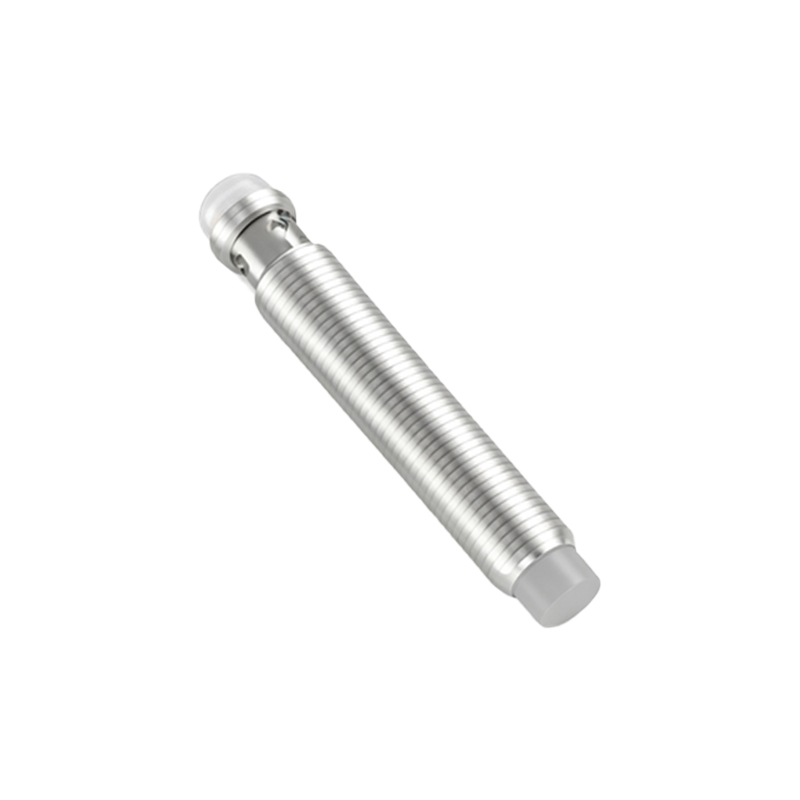
Inductive proximity sensors are widely favored in metallic door systems due to their robustness and reliability. They generate an electromagnetic field and react to ferrous metals, making them perfect for detecting door panels or security shutters. Their immunity to environmental factors like dust, moisture, and temperature variations ensures longevity in harsh conditions. For non-metallic doors, capacitive sensors offer a versatile alternative by detecting any material that alters capacitance, including liquids, plastics, or human presence, thus enhancing accessibility features.
Photoelectric sensors, utilizing infrared or laser beams, provide long-range detection and are commonly used in automatic sliding doors for public entrances. They ensure doors open promptly as individuals approach, improving user convenience while reducing energy loss by minimizing open-door time. Advanced models incorporate background suppression technology to ignore distant objects, preventing false triggers and optimizing performance.
Integration with control systems is a key aspect of modern proximity sensors. They interface with programmable logic controllers (PLCs) or building automation systems, enabling features like timed closures, safety reversals, and diagnostic monitoring. For instance, if an obstacle is detected during door movement, sensors trigger an immediate stop or reversal, preventing accidents and equipment damage. This aligns with international safety standards such as IEC 60947-5-2, which governs proximity device specifications.
Energy efficiency is another significant benefit. By ensuring doors remain closed when not in use, these sensors reduce HVAC load, contributing to sustainable building practices. In smart buildings, data from sensors can be analyzed to optimize traffic flow and maintenance schedules, predicting failures before they occur.
Installation and maintenance considerations include proper alignment, shielding from interference, and regular calibration. For optimal performance, sensors should be positioned to avoid direct sunlight or reflective surfaces that could cause erroneous readings. Routine checks for wear, corrosion, or signal drift are essential, especially in industrial settings where downtime can be costly.
In summary, proximity sensors for sliding doors represent a fusion of safety, efficiency, and innovation in electrical engineering. As technology advances, trends like IoT connectivity and AI-driven predictive analytics are set to further revolutionize their applications, making them indispensable in the evolving landscape of automated systems.