In the realm of industrial automation, proximity sensors stand as indispensable components, enabling machines to perceive their environment without physical contact. These devices, often referred to as proximity switches, are engineered to detect the presence or absence of objects within a specified range, triggering critical actions in manufacturing, packaging, assembly, and safety systems. Their robustness, reliability, and precision make them the backbone of countless automated processes, from automotive production lines to food processing plants.
Industrial proximity sensors operate on various principles, each suited to specific applications. Inductive sensors are widely used for detecting metallic objects, utilizing electromagnetic fields to sense ferrous and non-ferrous metals. They are favored in harsh environments due to their resistance to dust, moisture, and vibrations. Capacitive sensors, on the other hand, can detect both metallic and non-metallic materials, including liquids, plastics, and wood, by measuring changes in capacitance. This versatility makes them ideal for level detection or material handling. Ultrasonic sensors employ sound waves to gauge distance or presence, excelling in applications requiring long-range detection or challenging conditions like high temperatures. Lastly, photoelectric sensors use light beams to identify objects, offering high accuracy and speed for precise positioning tasks.
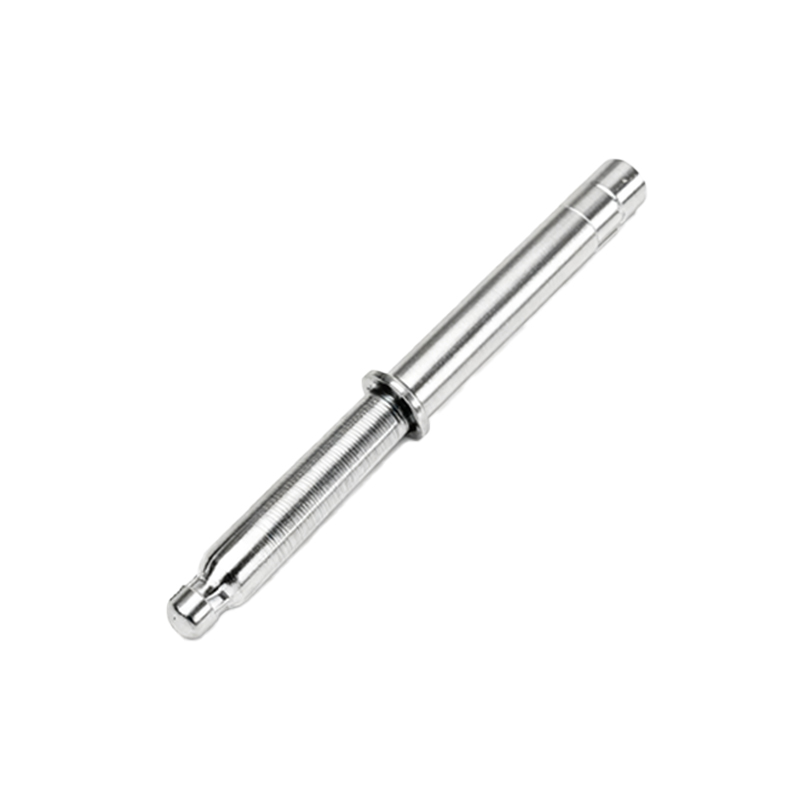
The selection of an industrial proximity switch hinges on multiple factors. Key considerations include sensing range, response time, environmental durability, and output type. For instance, in high-speed packaging machinery, a sensor with millisecond-level response ensures seamless operation, while in outdoor installations, an IP67 or higher ingress protection rating safeguards against water and dust ingress. Output configurations—such as NPN, PNP, analog, or IO-Link—must align with the control system's requirements, enabling seamless integration into PLCs (Programmable Logic Controllers) or industrial networks. Additionally, factors like housing material (e.g., stainless steel for corrosive settings) and temperature tolerance are critical for longevity in demanding industries like mining or chemical processing.
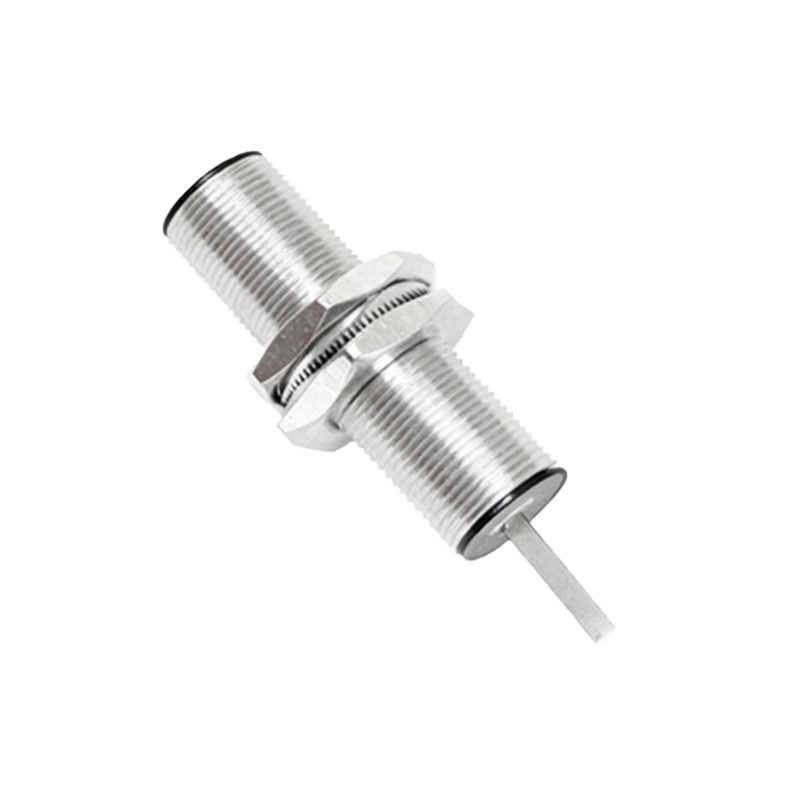
Advancements in sensor technology have propelled industrial automation toward greater efficiency and intelligence. Modern proximity switches now incorporate smart features like self-diagnostics, condition monitoring, and digital communication protocols. IO-Link-enabled sensors, for example, provide real-time data on operational status, facilitating predictive maintenance and reducing downtime. This connectivity aligns with Industry 4.0 initiatives, where sensors contribute to data-driven decision-making and adaptive manufacturing. Moreover, miniaturization has led to compact designs that fit into tight spaces without compromising performance, expanding their use in robotics and intricate machinery.
Despite their sophistication, proper installation and maintenance are vital for optimal performance. Misalignment, electrical interference, or environmental extremes can impair sensor functionality. Best practices include calibrating sensing distances, shielding cables from noise, and conducting regular checks for wear or contamination. In safety-critical applications, such as machine guarding, redundant sensor systems may be employed to ensure fail-safe operation, adhering to standards like ISO 13849.
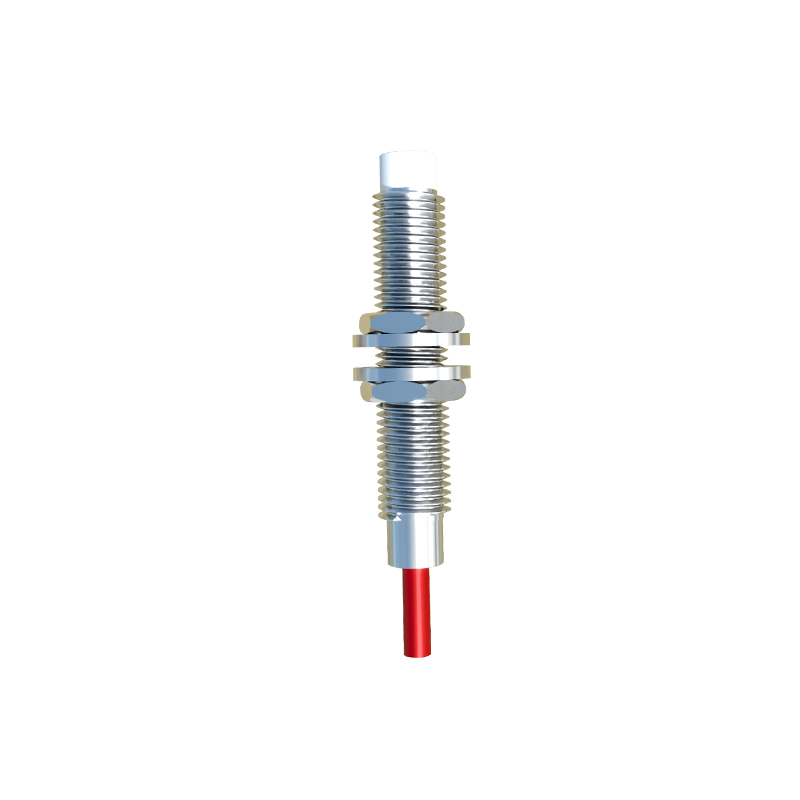
In conclusion, industrial proximity sensors are more than mere switches; they are enablers of precision, safety, and productivity in automation. As industries evolve toward smarter, more connected ecosystems, these sensors will continue to innovate, offering enhanced capabilities for the factories of the future. From detecting a tiny screw on a conveyor belt to safeguarding human workers, their role remains pivotal in shaping efficient and resilient industrial operations.