In the rapidly evolving landscape of industrial automation and quality control, laser displacement sensors have emerged as indispensable tools for achieving high-precision, non-contact measurements. These devices, which utilize laser triangulation or time-of-flight principles to gauge distance and displacement with micron-level accuracy, are critical across sectors such as automotive manufacturing, aerospace, electronics, and robotics. However, the effective deployment and advancement of this technology rely not only on individual manufacturers but also on collaborative efforts spearheaded by professional bodies. This is where laser displacement sensor associations play a pivotal role, fostering innovation, standardization, and knowledge exchange within the global engineering community.
Laser displacement sensor associations are typically non-profit organizations or consortiums comprising sensor manufacturers, research institutions, academic experts, and end-users. Their primary mission is to promote the development and application of laser-based measurement technologies through a multifaceted approach. One of the core functions is establishing industry standards. By developing and advocating for uniform testing protocols, performance benchmarks, and safety guidelines, these associations ensure interoperability and reliability across different sensor models and brands. This standardization reduces compatibility issues for integrators and enhances trust among consumers, ultimately driving market growth. For instance, associations often work with international bodies like ISO or IEC to align specifications, facilitating global trade and adoption.

Another significant contribution is in the realm of research and development. Associations frequently organize collaborative projects, funding initiatives, and technical workshops to address common challenges such as improving measurement accuracy in harsh environments (e.g., high temperatures or reflective surfaces), miniaturizing sensor designs, or integrating sensors with IoT and AI systems. By pooling resources and expertise, members can accelerate innovation cycles, leading to breakthroughs like faster sampling rates, enhanced robustness, and smarter data analytics capabilities. These advancements empower industries to implement more efficient production lines, reduce waste, and maintain stringent quality controls, thereby boosting overall productivity.
Education and training form a cornerstone of association activities. Given the technical complexity of laser displacement sensors, there is a constant need for skilled professionals who can properly install, calibrate, and maintain these systems. Associations address this by offering certification programs, online courses, and hands-on seminars. These educational resources cover topics ranging from basic operating principles to advanced troubleshooting, ensuring that engineers and technicians stay abreast of the latest technological trends. Moreover, associations often publish white papers, case studies, and best practice guides, disseminating valuable insights that help users optimize sensor performance in real-world applications. This knowledge-sharing ecosystem not only elevates industry competence but also encourages the adoption of best practices, minimizing operational errors and downtime.
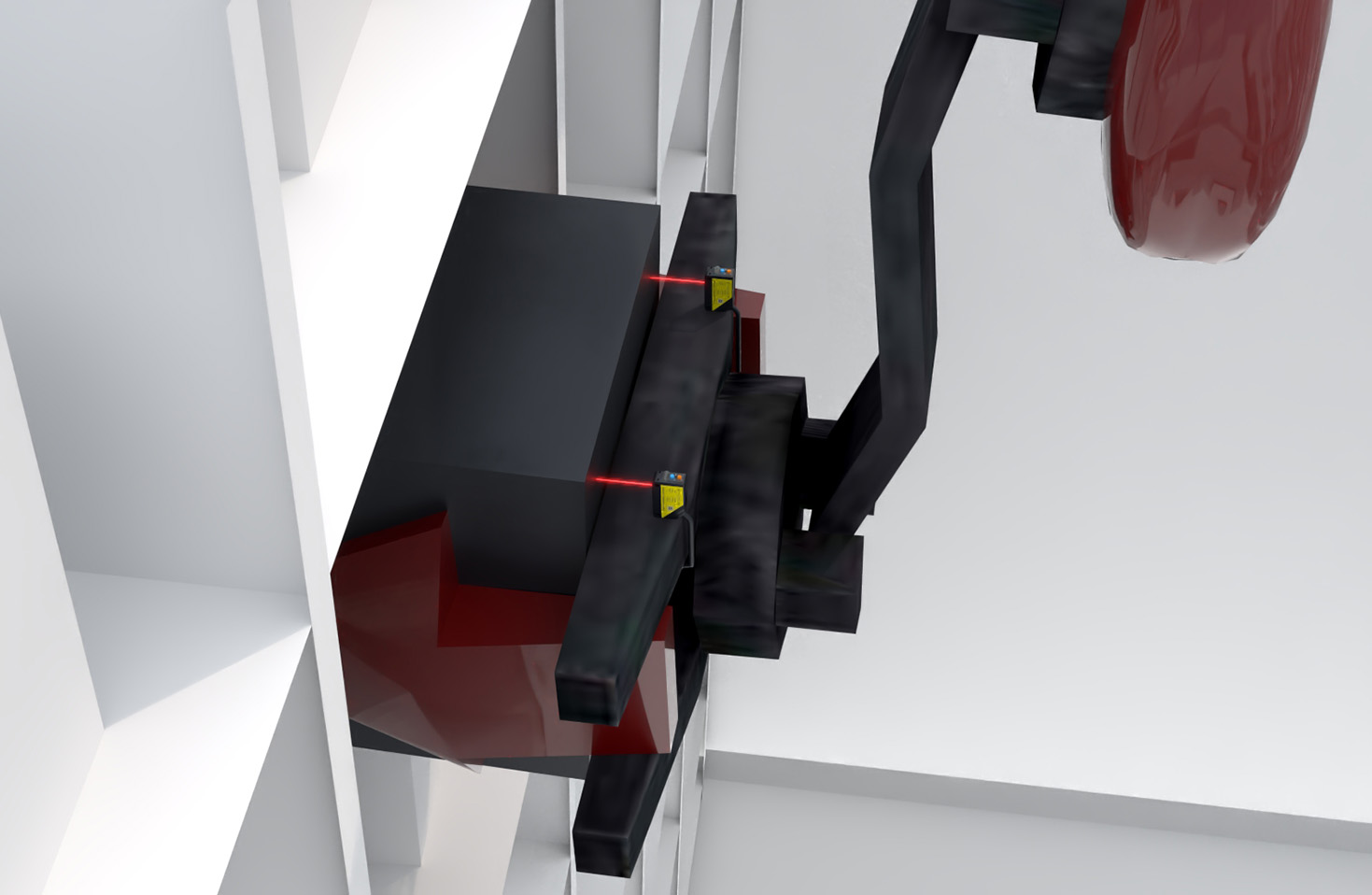
Networking and advocacy are equally vital. Through annual conferences, trade shows, and regional meetings, associations provide platforms for stakeholders to connect, discuss emerging trends, and forge partnerships. Events like these showcase cutting-edge products and applications, from 3D scanning in additive manufacturing to precision alignment in semiconductor fabrication. Additionally, associations serve as collective voices in policy discussions, advocating for favorable regulations, funding for R&D, and intellectual property protections. By representing the interests of the laser sensor community, they help shape a conducive environment for technological progress and market expansion.
Looking ahead, the influence of laser displacement sensor associations is set to grow as industries increasingly embrace Industry 4.0 and smart manufacturing. The demand for real-time, high-accuracy measurement data is surging, driven by trends like autonomous robotics, digital twins, and predictive maintenance. Associations will play a crucial role in guiding this transition, emphasizing topics such as cybersecurity for sensor networks, sustainability in sensor production, and the ethical use of measurement data. By fostering collaboration across borders and disciplines, these organizations ensure that laser displacement sensor technology continues to evolve, meeting the ever-changing needs of modern engineering while upholding the highest standards of precision and reliability.
In conclusion, laser displacement sensor associations are more than just professional groups; they are catalysts for innovation and excellence in measurement science. Through standardization, R&D support, education, and advocacy, they empower industries to harness the full potential of laser-based sensing, driving advancements that enhance efficiency, quality, and safety worldwide. As technology marches forward, the collaborative spirit embodied by these associations will remain essential in navigating future challenges and opportunities.