In the world of industrial automation and control systems, proximity sensors are indispensable components that detect the presence or absence of objects without physical contact. They are widely used in manufacturing, packaging, robotics, and safety applications due to their reliability and non-invasive nature. However, a common question arises among engineers and technicians: Can proximity sensors detect plastic materials? The answer is not straightforward, as it depends on the type of proximity sensor and the properties of the plastic involved.
Proximity sensors primarily operate based on electromagnetic, capacitive, or ultrasonic principles. Inductive proximity sensors, for instance, generate an electromagnetic field to detect metallic objects. When a metal target enters this field, it induces eddy currents, causing a change in the sensor's oscillation amplitude, which triggers a detection signal. Since plastics are non-metallic and do not conduct electricity, standard inductive sensors cannot detect them. This limitation makes inductive sensors unsuitable for applications involving plastic components, unless a metal tag or foil is attached to the plastic object.
On the other hand, capacitive proximity sensors offer a viable solution for detecting non-metallic materials, including plastics. These sensors work by measuring changes in capacitance between the sensor and the target object. When a plastic object enters the sensing area, it alters the dielectric constant of the space, leading to a detectable change in capacitance. Capacitive sensors can effectively sense plastics, wood, glass, liquids, and other insulators, making them versatile for diverse industrial settings. However, their performance may vary based on factors such as the plastic's composition, thickness, and moisture content. For example, plastics with high water absorption (like nylon) might be easier to detect due to increased conductivity, while dry, low-density plastics (like polyethylene) could pose challenges.
Ultrasonic proximity sensors represent another option for plastic detection. These sensors emit high-frequency sound waves and measure the time it takes for the echo to return after hitting an object. Since ultrasonic waves can reflect off most solid surfaces, regardless of material composition, they can detect plastics reliably. This makes ultrasonic sensors ideal for applications where the target material varies or where non-contact detection of transparent or colored plastics is required, such as in bottling plants or conveyor systems. However, environmental factors like temperature fluctuations, air turbulence, or dust might affect accuracy.
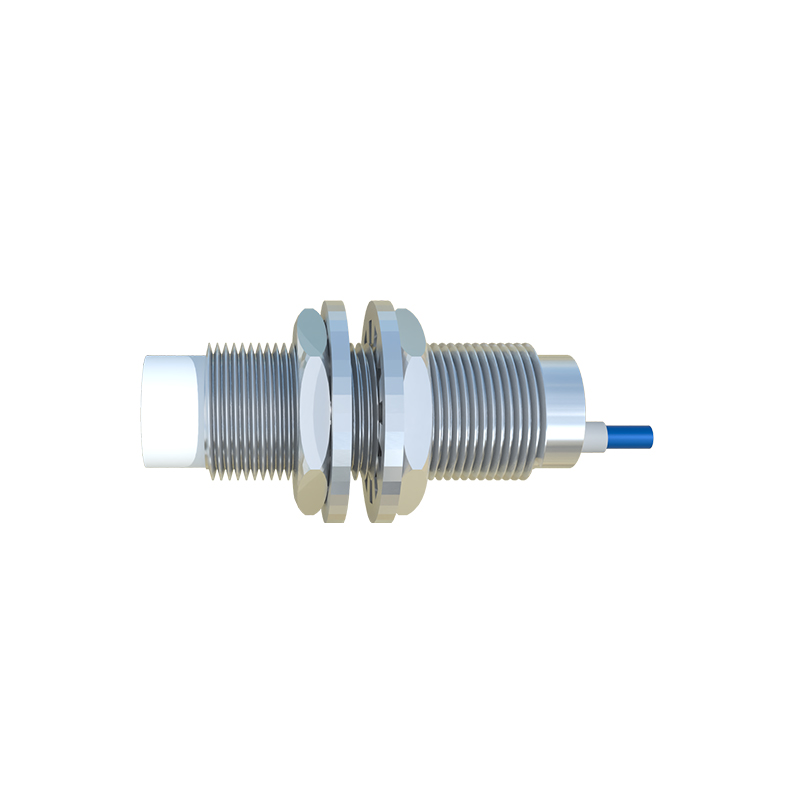
In practical applications, selecting the right proximity sensor for plastic detection involves careful consideration. Engineers must evaluate the specific plastic type, operating environment, required sensing distance, and response time. For instance, in a packaging line handling plastic bottles, a capacitive sensor might be chosen for its sensitivity to material changes, while an ultrasonic sensor could be preferred for detecting transparent plastic films. Additionally, some advanced sensors combine technologies or feature adjustable sensitivity settings to enhance detection capabilities for challenging materials.
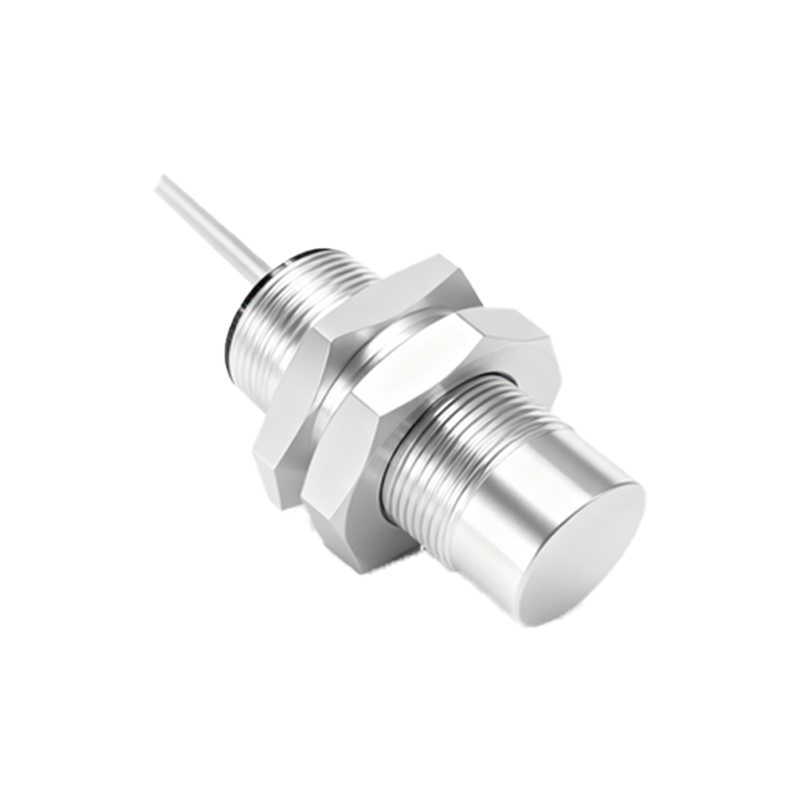
It is also worth noting that innovations in sensor technology continue to expand possibilities. For example, photoelectric sensors, which use light beams to detect objects, can sense plastics effectively, especially if the plastic is opaque or has distinct optical properties. However, photoelectric sensors may struggle with transparent or reflective plastics unless specialized variants (like polarized or background suppression models) are employed.
In conclusion, while standard inductive proximity sensors cannot detect plastics due to their non-conductive nature, capacitive and ultrasonic proximity sensors provide reliable alternatives. The choice depends on the plastic's characteristics and application requirements. By understanding the principles behind each sensor type, engineers can optimize systems for efficiency and accuracy, ensuring seamless automation in industries that heavily rely on plastic materials. As technology evolves, we may see even more adaptive sensors tailored for diverse material detection, further bridging gaps in industrial automation.