Proximity sensors are pivotal components in modern industrial automation, enabling non-contact detection of objects within a defined sensing range. These devices enhance operational efficiency, safety, and reliability across diverse sectors. This article explores the primary types of proximity sensors and their specific applications, providing insights for engineers and system designers.
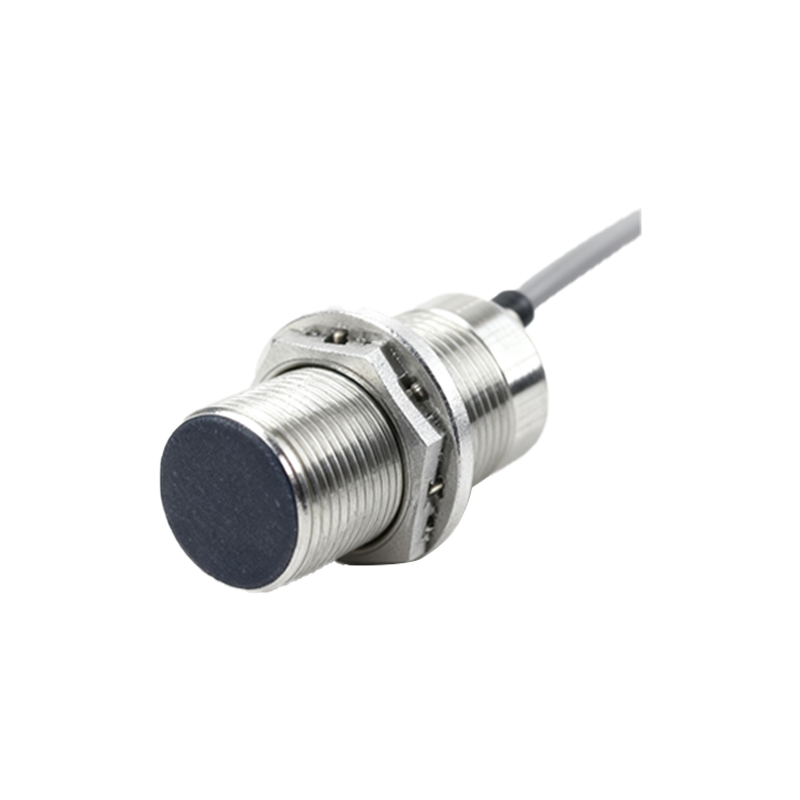
The most common types include inductive, capacitive, ultrasonic, and photoelectric sensors. Inductive proximity sensors detect metallic objects using electromagnetic fields. They are highly reliable, resistant to environmental contaminants like dust or oil, and ideal for harsh industrial settings. Typical applications involve position sensing of metal parts in assembly lines, robotic arms, and machine tools. For instance, in automotive manufacturing, inductive sensors ensure precise component placement and monitor conveyor belt movements.
Capacitive proximity sensors can detect both metallic and non-metallic materials, including liquids, plastics, and wood, by measuring changes in capacitance. They are versatile and used in level detection for tanks or silos, material handling, and packaging industries. A notable application is in food processing, where they monitor liquid levels in containers without direct contact, maintaining hygiene standards.
Ultrasonic proximity sensors emit high-frequency sound waves and analyze reflected signals to determine object presence or distance. They excel in detecting transparent or irregularly shaped objects, making them suitable for challenging environments. Common uses include pallet detection in logistics, collision avoidance in automated guided vehicles (AGVs), and fill-level control in bottling plants. Their ability to function in dusty or humid conditions adds to their robustness.
Photoelectric sensors utilize light beams, typically infrared, to detect objects. They come in three main configurations: through-beam, retro-reflective, and diffuse reflective. Through-beam sensors offer long-range detection and high accuracy, often applied in security systems and conveyor belt monitoring. Retro-reflective types are used for object counting in packaging, while diffuse sensors handle proximity sensing in robotics and electronic device assembly.
Each sensor type has distinct advantages. Inductive sensors provide durability and fast response for metals. Capacitive sensors offer material versatility. Ultrasonic sensors deliver reliable performance in complex conditions, and photoelectric sensors ensure precision for non-contact detection. Selection depends on factors like target material, environmental conditions, required sensing range, and cost considerations.
In industrial automation, proximity sensors contribute to predictive maintenance by monitoring equipment health, reducing downtime. They also enhance safety by detecting human presence near hazardous machinery, triggering emergency stops. As Industry 4.0 evolves, integration with IoT platforms allows real-time data collection, enabling smarter manufacturing processes. Engineers must evaluate application-specific needs to choose the optimal sensor, ensuring system efficiency and longevity.
Overall, proximity sensors are indispensable in achieving automation goals, from simple object detection to complex system control. Understanding their types and applications empowers professionals to design innovative solutions, driving productivity and technological advancement in the industrial landscape.