In the realm of industrial automation, precision, reliability, and durability are non-negotiable. Among the myriad of components that ensure seamless operation, metal proximity sensors stand as silent sentinels, playing a pivotal role in countless applications. These non-contact detection devices are engineered to sense the presence or absence of metallic objects without any physical contact, making them indispensable in harsh, demanding environments. This guide delves into the technology, types, selection criteria, and applications of industrial metal proximity sensors.
At their core, most industrial metal proximity sensors operate on the principle of electromagnetic induction. A typical inductive proximity sensor contains an oscillator circuit that generates a high-frequency electromagnetic field at its active face. When a metallic object enters this field, eddy currents are induced on the surface of the target. This causes a load on the oscillator, leading to a change in its amplitude. This change is detected by a threshold circuit, which subsequently triggers a solid-state output switch (PNP/NPN or NO/NC). The key advantage is the complete absence of moving parts, resulting in virtually infinite mechanical life and exceptional resistance to vibration, dust, and moisture.
Several primary types of metal proximity sensors are prevalent in industry. Standard inductive sensors are the workhorses, suitable for detecting ferrous metals like steel and iron at relatively short ranges. For non-ferrous metals such as aluminum, copper, or brass, specialized sensors with altered oscillation frequencies or designs are required, often offering reduced sensing distances. Factor-1 sensors provide a consistent sensing range regardless of the target metal type (ferrous or non-ferrous), simplifying application where material composition varies. Additionally, analog output sensors provide a continuous signal proportional to the distance to the target, enabling precise positioning tasks, while digital sensors offer a simple on/off signal for detection.
Selecting the right sensor for an application requires careful consideration of multiple parameters. Sensing distance, or the nominal range at which a standard target can be reliably detected, is paramount. Engineers must account for a safety factor, typically using 60-80% of the nominal range to ensure reliability under voltage fluctuations and temperature variations. The target material and size significantly influence performance; smaller targets or non-ferrous metals require closer proximity. Environmental conditions are critical; sensors are rated with Ingress Protection (IP) codes (e.g., IP67, IP69K) for dust and water resistance, and must withstand ambient temperature ranges, oil, coolant, and electromagnetic interference. Output configuration must match the control system's input requirements (e.g., 3-wire DC, 2-wire AC/DC). Finally, the housing material—stainless steel, nickel-plated brass, or PBT plastic—is chosen based on chemical exposure and mechanical stress.
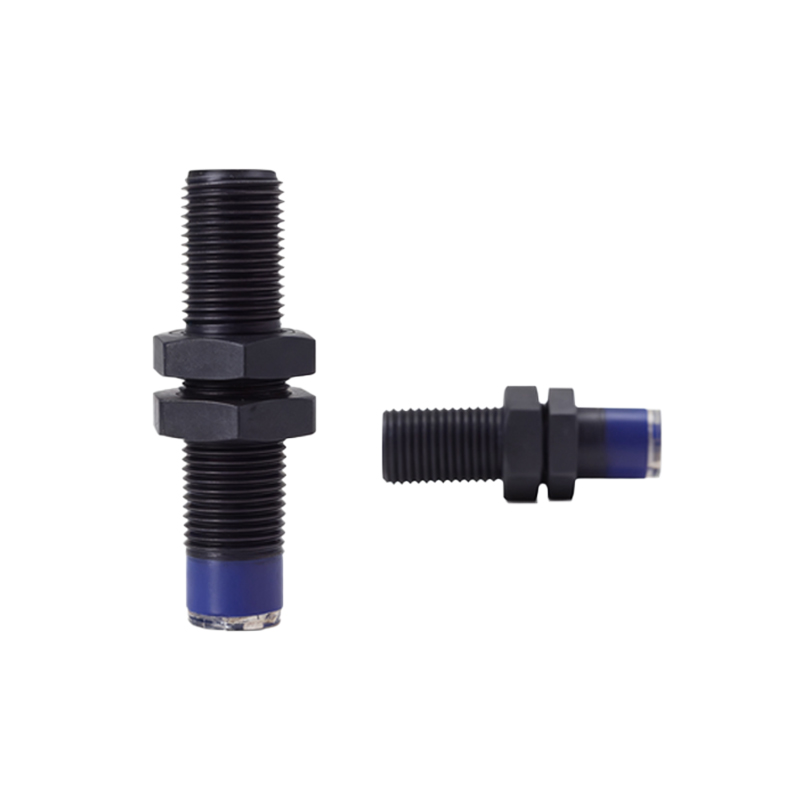
Applications for these sensors are vast and varied across all industrial sectors. In automotive manufacturing, they count pistons on a conveyor, verify the presence of engine blocks in machining stations, and control robotic welding arms. In material handling and packaging, they detect metal cans, control gate positions on sortation lines, and provide pallet presence verification. Within metalworking and CNC machinery, they serve as precise tool breakage detectors, workpiece positioners, and end-of-travel limit switches. Their robustness makes them ideal for heavy industries like steel mills and mining, where they monitor equipment position and detect metallic debris.
Installation and maintenance, though straightforward, demand attention to detail. Proper mounting, with adequate clearance from surrounding metal (as specified by the manufacturer's flush-mount or non-flush-mount guidelines), is essential to prevent false triggering. Regular cleaning of the sensing face from accumulated debris ensures consistent performance. While these sensors are extremely reliable, troubleshooting typically involves checking power supply, output load, and ensuring the target meets the specified size and material requirements.
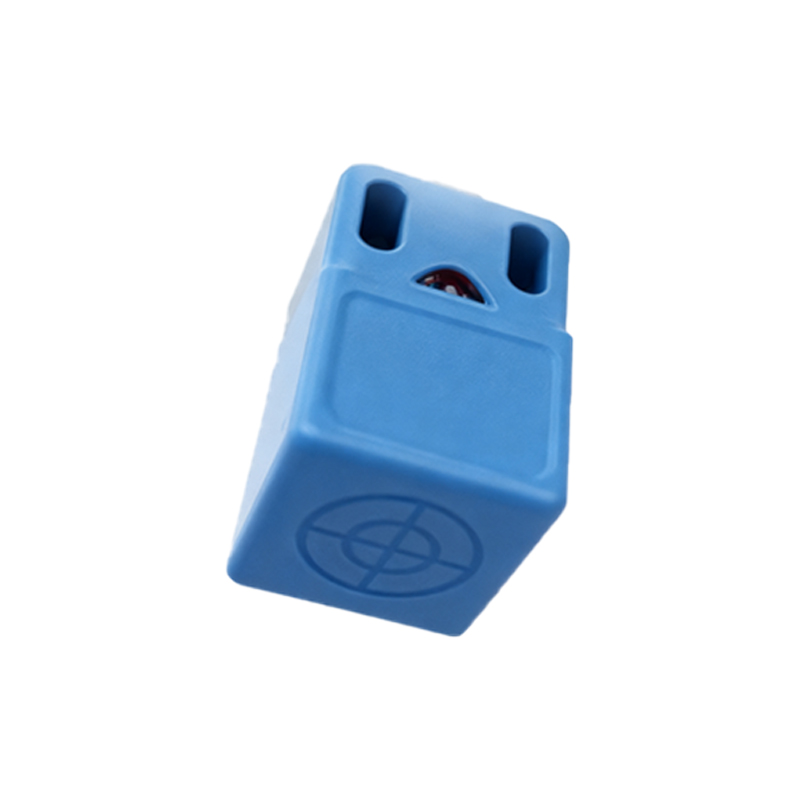
In conclusion, industrial metal proximity sensors are fundamental components that enhance automation safety, efficiency, and intelligence. Their evolution continues with advancements in miniaturization, increased sensing ranges, and integration into Industrial IoT frameworks, providing diagnostic data for predictive maintenance. Understanding their operating principles, varieties, and application nuances empowers engineers and technicians to design more robust, efficient, and fault-resistant automated systems, driving productivity in the modern industrial landscape.