Proximity warning sensors are critical components in modern industrial safety systems, designed to detect the presence of objects or personnel within hazardous zones without physical contact. These sensors operate based on various physical principles, each suited to specific environmental conditions and application requirements. The most common types include inductive, capacitive, ultrasonic, and photoelectric sensors, all of which contribute to preventing accidents in manufacturing, logistics, and automated processes.
Inductive proximity sensors are widely used for detecting metallic objects. They generate an electromagnetic field through a coil and oscillator circuit. When a conductive metal enters this field, eddy currents are induced, causing a change in oscillation amplitude. This change is detected by the sensor's threshold circuit, triggering an output signal. Typically effective within ranges up to 60 mm, these sensors are ideal for machinery where metal parts or tools are present, such as robotic arms or conveyor systems. Their robustness against dust, oil, and moisture makes them suitable for harsh industrial environments.
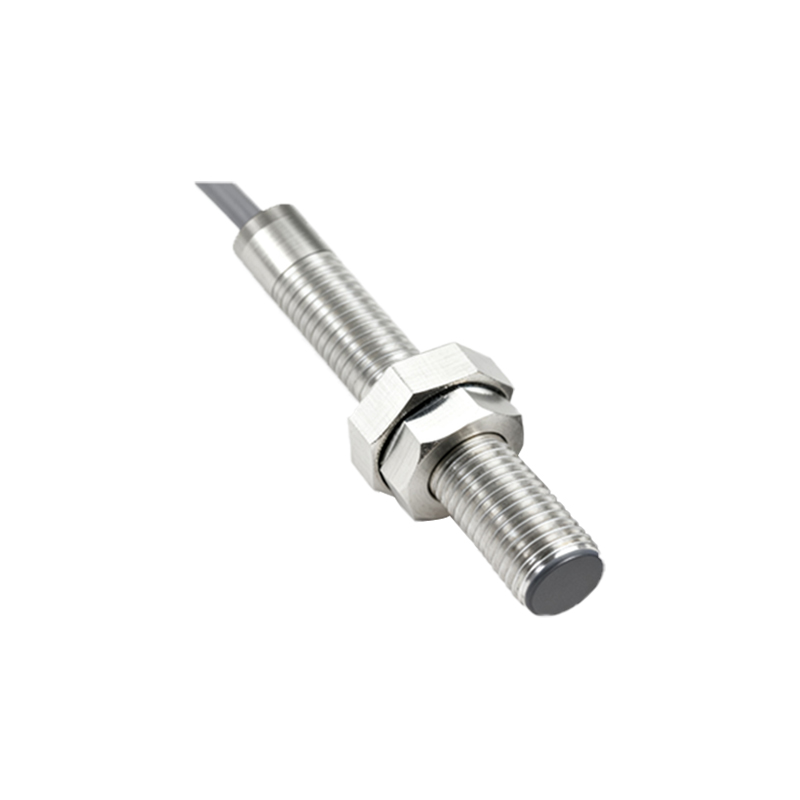
Capacitive proximity sensors can detect both metallic and non-metallic materials, including liquids, plastics, and wood. They function by generating an electrostatic field between two electrodes. When an object enters this field, it alters the capacitance, leading to a change in the oscillator's frequency or amplitude. This variation is processed to activate the output. With sensing distances generally up to 40 mm, capacitive sensors are often employed in level detection for tanks, material handling, and packaging lines where diverse materials are involved.
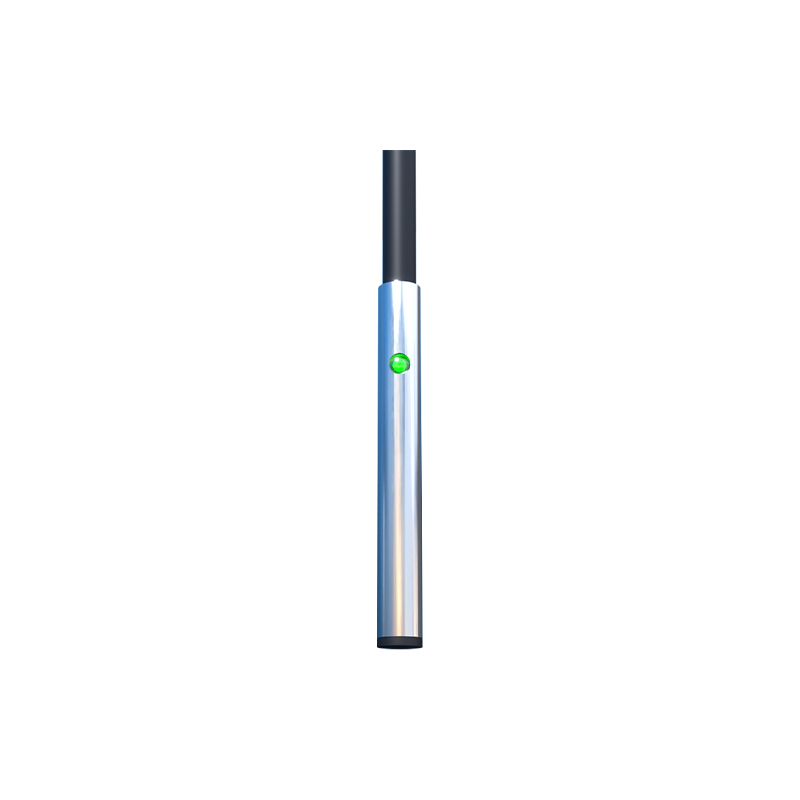
Ultrasonic sensors utilize sound waves beyond human hearing, typically at frequencies between 40 kHz and 400 kHz. They emit ultrasonic pulses and measure the time taken for echoes to return after hitting an object. By calculating the time-of-flight, the sensor determines distance and presence. These sensors offer longer ranges, from a few centimeters to several meters, and are effective in detecting transparent or irregularly shaped objects. Common applications include palletizing, vehicle detection, and collision avoidance in automated guided vehicles (AGVs).
Photoelectric sensors rely on light beams, usually infrared or laser, to detect objects. They consist of an emitter and a receiver. In through-beam models, the receiver detects interruptions in the beam, while in reflective types, light bounces off the target. Diffuse sensors measure reflected light from the object itself. Photoelectric sensors provide high precision and fast response, with ranges extending up to tens of meters. They are essential in clean environments like electronics assembly or in detecting small items on production lines.
The integration of proximity warning sensors into safety systems involves careful consideration of factors such as response time, environmental interference, and fail-safe mechanisms. For instance, in compliance with standards like ISO 13849, sensors must be paired with safety relays or programmable logic controllers (PLCs) to ensure immediate machinery shutdown upon detection. Advanced sensors now feature self-monitoring capabilities, diagnosing faults like lens contamination or signal degradation, thereby enhancing reliability.
In practice, selecting the appropriate sensor type depends on the target material, required sensing distance, ambient conditions (e.g., temperature, humidity), and cost constraints. For example, inductive sensors are preferred in metal-heavy settings due to their immunity to non-metallic debris, while ultrasonic sensors excel in dusty areas where optical sensors might fail. Regular calibration and maintenance are crucial to sustain accuracy, as factors like sensor alignment or buildup can affect performance.
Overall, proximity warning sensors form a foundational layer in industrial safety, reducing human error and equipment damage. As automation advances, these sensors are evolving with features like IO-Link communication for real-time data exchange and integration with IoT platforms, enabling predictive maintenance and smarter safety protocols. Their role in fostering safer workplaces underscores the importance of understanding their principles for engineers and technicians alike.