The evolution of proximity sensor manufacturing stands as a testament to the relentless innovation within the industrial automation and electronics sectors. As a cornerstone of modern sensing technology, proximity sensors—encompassing inductive, capacitive, ultrasonic, and photoelectric types—are critical for enabling non-contact detection, precision control, and enhanced safety across diverse applications. From automotive assembly lines and robotic systems to consumer electronics and smart infrastructure, the demand for more reliable, accurate, and miniaturized sensors is driving a transformative phase in factory development and operational strategy.
For a proximity sensor factory aiming to thrive in this competitive landscape, strategic growth must be rooted in several key technological and operational pillars. Firstly, the adoption of advanced manufacturing processes is non-negotiable. This involves integrating high-precision surface-mount technology (SMT) lines, automated optical inspection (AOI) systems, and sophisticated calibration and testing rigs. The production of sensors, particularly those requiring high immunity to environmental interference like inductive sensors for metal detection or capacitive sensors for liquid levels, demands micron-level accuracy in coil winding and electrode patterning. Factories must invest in equipment that ensures consistent performance parameters such as sensing distance, repeatability, and response time, which are paramount for client specifications.
Secondly, the push towards miniaturization and enhanced functionality presents both a challenge and an opportunity. The market increasingly requires sensors that are smaller yet smarter. This necessitates R&D investments in novel materials, such as advanced ferrite cores for inductive sensors or specialized dielectric materials for capacitive variants, and in integrated circuit (IC) design. Embedding microcontrollers and digital signal processing directly into sensor packages allows for features like programmability, IO-Link communication, and self-diagnostics. A forward-thinking factory will establish a dedicated R&D wing collaborating with semiconductor foundries and material scientists to prototype and scale these next-generation devices.
Thirdly, quality assurance must evolve from a checkpoint to a culture. Given that proximity sensors often operate in critical control loops, a single failure can lead to significant production downtime or safety incidents. Implementing a rigorous quality management system (QMS) aligned with standards like ISO 9001 and IATF 16949 (for automotive) is essential. This should be supported by end-of-line testing that simulates real-world conditions—exposing sensors to temperature extremes, voltage fluctuations, and electromagnetic noise—to guarantee robustness and longevity. Statistical process control (SPC) should be employed to monitor production metrics in real-time, enabling predictive maintenance of machinery and pre-empting deviations in product quality.
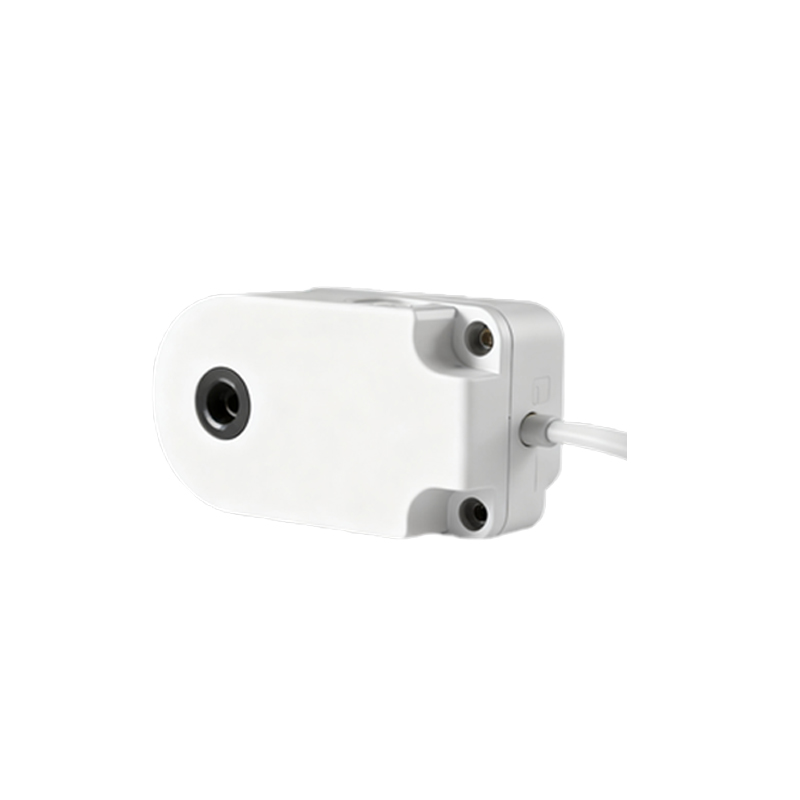
Furthermore, the concept of the smart factory, or Industry 4.0, is directly applicable to sensor manufacturing itself. A modern proximity sensor plant should leverage its own products to create a data-rich ecosystem. Installing networked sensors throughout the production floor to monitor equipment health, track work-in-progress, and manage inventory creates a feedback loop that optimizes efficiency. Data analytics from these systems can predict machine failures, reduce energy consumption, and streamline supply chain logistics for components like housings, cables, and connectors.
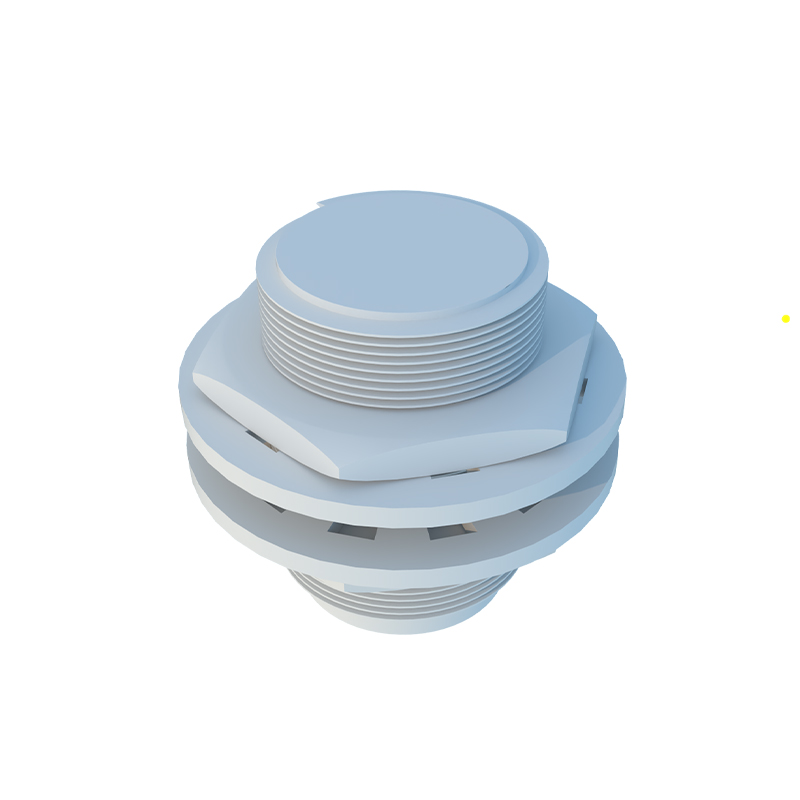
Supply chain resilience has also emerged as a critical strategic focus. The reliance on specific raw materials (e.g., rare-earth elements for magnets, semiconductor wafers) and electronic components necessitates a diversified supplier base and potential for strategic stockpiling. Building strong partnerships with reliable suppliers of ceramics, plastics, and copper wire ensures not only consistent material quality but also mitigates risks from geopolitical or logistical disruptions.
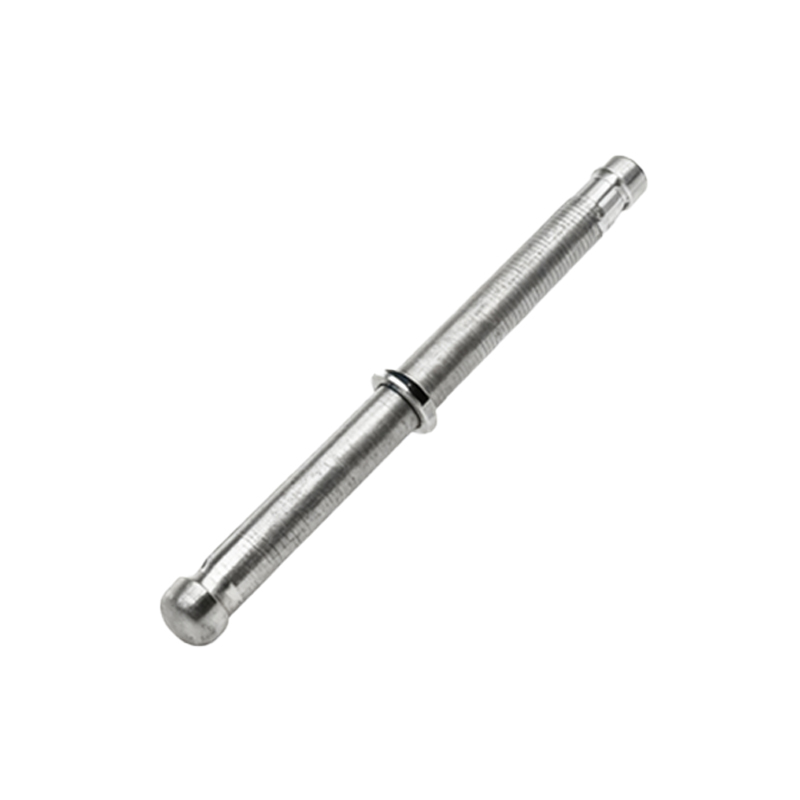
Finally, market adaptation is crucial. A successful factory cannot operate in isolation. It must engage deeply with end-user industries to understand evolving needs. The rise of electric vehicles (EVs), for instance, requires sensors capable of operating near high-voltage systems with exceptional reliability. Similarly, the growth of collaborative robotics (cobots) demands safe, highly responsive proximity detection in shared human-robot spaces. Tailoring product portfolios and developing application-specific solutions—such as weld-field immune inductive sensors or hygienic capacitive sensors for food and pharmaceutical industries—will secure a competitive edge.
In conclusion, developing a leading proximity sensor manufacturing facility is a multifaceted endeavor. It requires a synergistic focus on precision engineering, continuous R&D, uncompromising quality, digital integration, supply chain agility, and market-centric innovation. By mastering these elements, a factory can transition from being a component supplier to becoming a vital partner in the global automation narrative, delivering the intelligent "sense of touch" that modern industry fundamentally depends upon.